Best Dive Spots in Cebu: Complete Guide to Malapascua & Moalboal
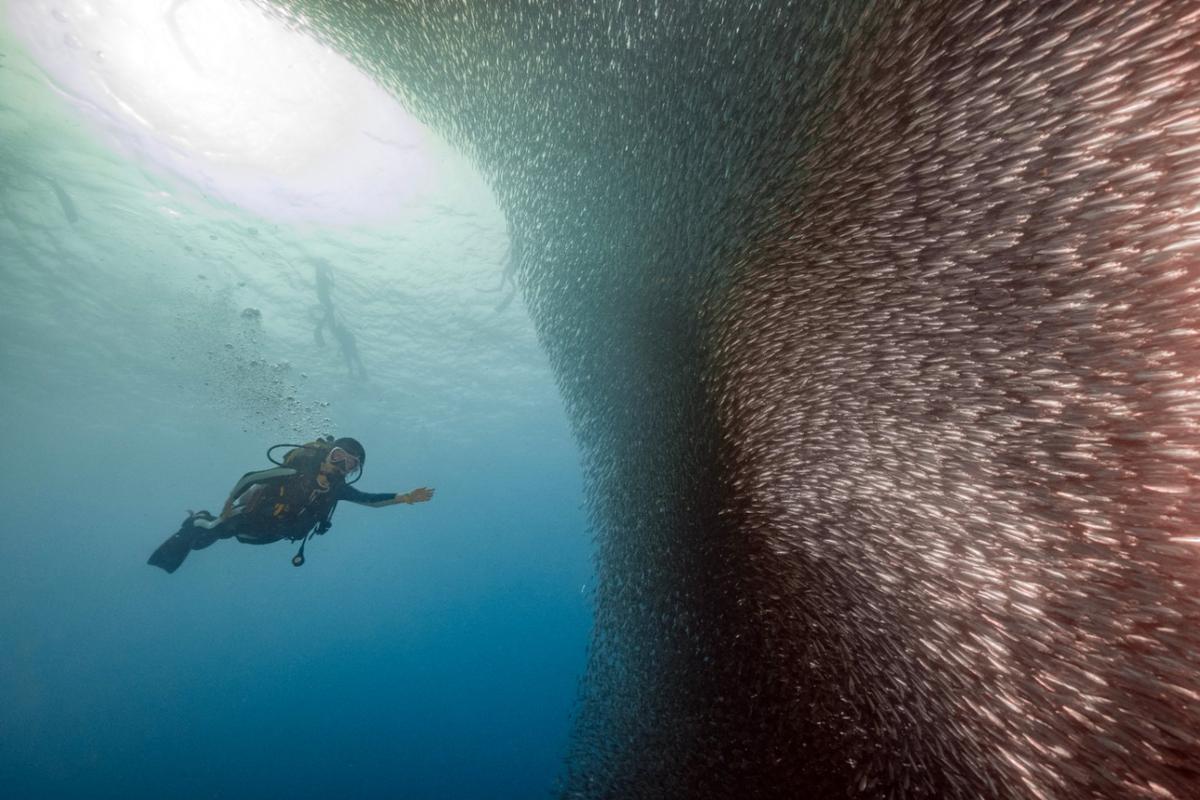
Cebu is one of the most dived islands in the Philippines, and for good reason. In the north, Malapascua is the only place on Earth where thresher sharks show up at a cleaning station almost every single morning. In the south, Moalboal is famous for a resident sardine bait ball you can snorkel or dive right off the beach. Add wall dives, marine sanctuaries and an easy day-trip scene around Cebu City, and you have a destination that works for first-time divers and shark-hunters alike.
This guide covers the best dive spots in Cebu: what you will see, who each site suits, when to go, and how to plan a trip that links Malapascua and Moalboal. If you are just starting out, you can also pair this with an Open Water course in Cebu.
What Are the Best Dive Spots in Cebu?
The top dive spots in Cebu are Monad Shoal and Kimud Shoal off Malapascua for near-guaranteed dawn thresher shark sightings; Gato Island and Calanggaman Island for swim-throughs, sea snakes and a postcard sandbar; Pescador Island and the Moalboal sardine run for a dense, swirling bait ball a few meters from shore; and Talisay wall, Sumilon Island and Mactan for easy reef diving and training.
The best time to dive Cebu is roughly November through May, when seas are calmer and visibility is at its best. Thresher sharks and the sardine run are both present year-round, so Cebu is a diveable destination in any month.
Cebu Diving Regions at a Glance
Cebu splits into two very different diving bases, plus a convenient third hub for day trips and courses:
- Malapascua (north): Small island off Cebu's northern tip. The base for Monad Shoal, Kimud Shoal, Gato Island and Calanggaman. Early 5:30 am dive boats are standard here.
- Moalboal (southwest): Famous for the sardine run right off Panagsama Beach, plus Pescador Island and Talisay wall. Relaxed, budget-friendly and good for repeat fun diving.
- Cebu City & Mactan (central): The main airport hub, with convenient marine sanctuary dives and dive centers suited to certification courses and short stopovers.
9 Best Dive Spots in Cebu (Detailed)
1. Monad Shoal — Malapascua
Monad Shoal is the reason divers fly to Malapascua. This submerged plateau is a natural cleaning station for pelagic thresher sharks, and it is widely considered the only site in the world where you can expect to see them on an early-morning dive almost every day of the year. Boats leave around 5:00–5:30 am so divers are on the shoal at first light, when threshers rise from deeper water to have parasites cleaned by wrasse.
Depths sit around 18–28 meters, and dives are typically a quiet negative-buoyancy hang at a designated viewing area rather than an active swim, to avoid disturbing the sharks. Manta rays, devil rays and eagle rays are occasional bonus sightings.
Best for: Advanced Open Water divers (or Open Water divers with a guide comfortable with the depth and early dark-water entry). Book the first boat out for the best odds.
2. Kimud Shoal — Malapascua
A short boat ride from Monad Shoal, Kimud Shoal is a second, slightly shallower thresher shark cleaning station used by some operators as an alternative or overflow site when Monad Shoal gets busy. The routine is the same — a pre-dawn departure and a calm hang at depth — with the added chance of schooling jacks and occasional hammerhead sightings.
Tip: Ask your dive center which shoal they are running before booking; conditions on the day determine which one gets better visibility and shark activity.
3. Gato Island — Malapascua
Gato Island is a small protected marine sanctuary a short boat ride from Malapascua, known for a swim-through tunnel that connects two sides of the island, resting white-tip reef sharks, sea snakes, and excellent macro life including nudibranchs, frogfish and seahorses.
Most Malapascua dive centers pair a Gato Island dive with the Monad Shoal trip, making it easy to combine a big-animal dawn dive with a relaxed reef and swim-through dive on the same day.
Best for: All certified levels; the tunnel swim-through is straightforward with a guide.
4. Calanggaman Island — Malapascua Area
Calanggaman Island is better known above water for its sliver of white sandbar, but the drop-off along its edge is a scenic wall dive with soft corals, reef fish and good visibility. It is a longer boat ride than the other Malapascua sites, so operators usually run it as a dedicated day trip rather than a quick add-on.
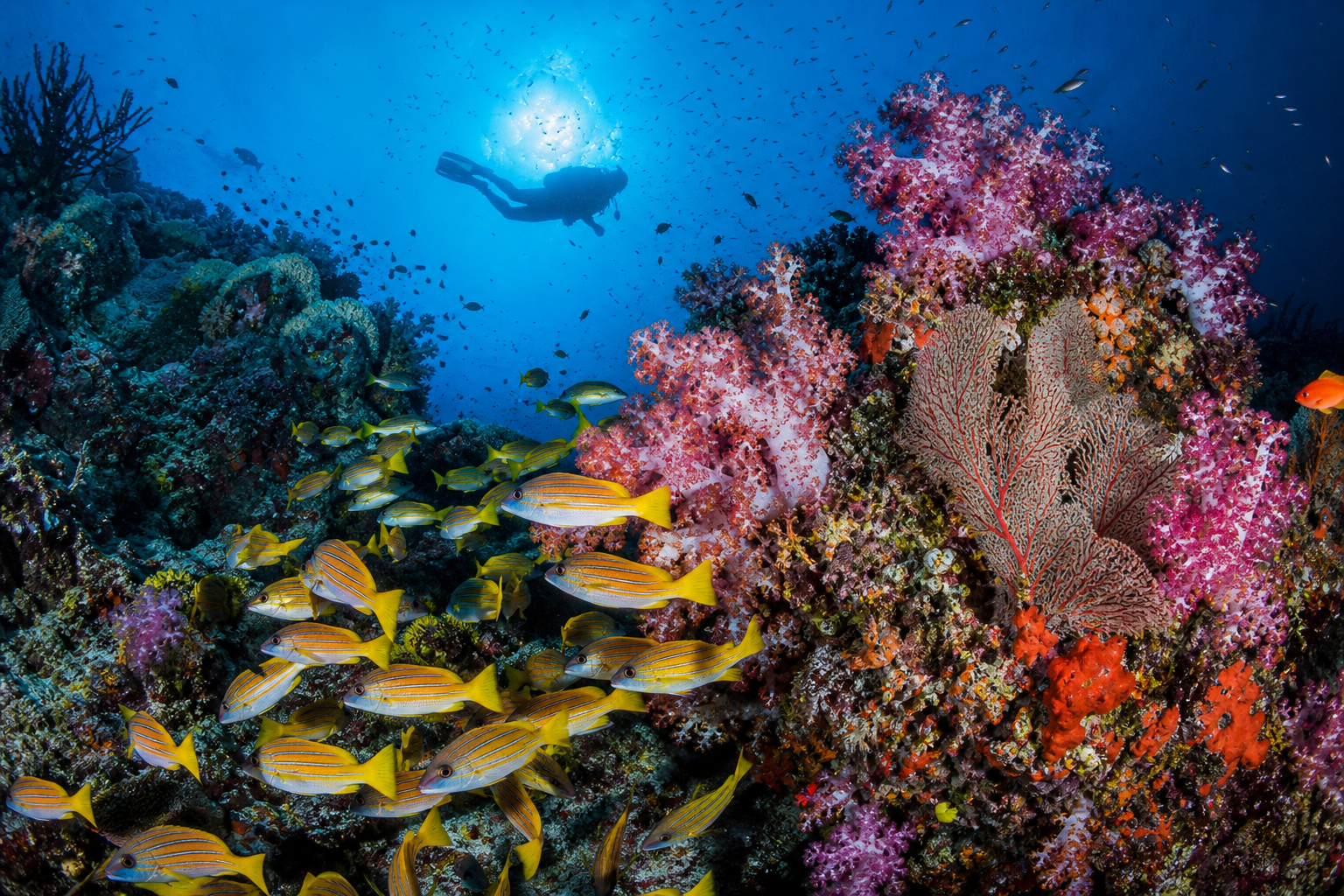
Best for: Open Water divers and above; a relaxed wall dive good for photography.
5. Pescador Island — Moalboal
Pescador Island is Moalboal's signature dive site: a small limestone islet with a near-vertical wall, a swim-through cavern, and dense schools of fusiliers and jacks. It sits a short boat ride from Panagsama Beach and is regularly combined with a drift along the sardine run on the same outing.
Best for: Open Water divers and above; current can pick up on the wall, so listen to your guide's briefing.
6. The Moalboal Sardine Run — Panagsama Beach
Directly off Panagsama Beach, a resident bait ball of millions of sardines has formed a semi-permanent, swirling column in the water column for years. It is shallow enough to snorkel and spectacular on scuba, where you can descend along the reef wall and watch the school fold around passing jacks and the occasional hunting predator.
Because it is a shore dive, it is one of the easiest world-class dive experiences anywhere — no boat required, and suitable for a quick second or third dive of the day.
Best for: All levels, including newly certified divers and snorkelers.
7. Talisay Wall — Moalboal
A little further along the coast from Panagsama, Talisay offers a quieter wall dive with soft coral cover, turtles and reef fish, without the boat traffic of Pescador. It is a solid choice for a relaxed afternoon dive or for divers who want the Moalboal wall experience away from the crowds.
8. Sumilon Island — Southern Cebu
One of the Philippines' oldest marine protected areas, Sumilon Island sits off the southeastern tip of Cebu and offers a healthy, well-preserved reef with a drop-off, schooling fish and good visibility. It is a worthwhile stop for divers exploring southern Cebu who want strong reef diving without a feeding attraction nearby.
Note: Some operators in this area also offer whale shark encounters at nearby Oslob. Those trips rely on provisioning to hold the sharks in place, which is widely discouraged by marine biologists. If you want a natural, unprovisioned whale shark encounter in the Philippines, Donsol or Tubbataha are better alternatives.
9. Mactan Island — Cebu City
Mactan is where most international flights land, and it doubles as a convenient diving base with several marine sanctuaries, easy reef sites and a few small wrecks — ideal for certification courses, refresher dives, or a stopover dive before or after Malapascua and Moalboal. Conditions are calmer here than in the north or south, making it a good place to start.
Best for: Beginners, courses and travelers with limited time near the airport.
Cebu Dive Spots Comparison Table
| Dive spot | Best season | Level | Highlights |
|---|---|---|---|
| Monad Shoal | Year-round | AOW recommended | Thresher sharks at dawn |
| Kimud Shoal | Year-round | AOW recommended | Alt. thresher cleaning station |
| Gato Island | Nov–May | All levels | Swim-through, sea snakes, macro |
| Calanggaman Island | Nov–May | OW+ | Wall dive, sandbar |
| Pescador Island | Nov–May | OW+ | Wall, cavern, schooling fish |
| Moalboal sardine run | Year-round | All levels | Shore dive, bait ball |
| Talisay wall | Nov–May | OW+ | Quiet wall, turtles |
| Sumilon Island | Nov–May | OW+ | Protected reef, drop-off |
| Mactan | Year-round | Beginner+ | Courses, sanctuaries |
When Is the Best Time to Dive in Cebu?
Cebu is diveable year-round, but timing still affects comfort and visibility:
- November–May: The most reliable window, with calmer seas and generally better visibility across both Malapascua and Moalboal.
- June–October: The southwest monsoon and occasional typhoons can bring rougher surface conditions and cancel boat trips, especially around Malapascua. The sardine run and Malapascua thresher dives still run in good weather windows.
Water temperatures typically range from 26–29°C; a 3 mm wetsuit is comfortable for most divers, with a hood or vest useful for early Monad Shoal dives.
How to Plan Your Cebu Diving Trip
- Get certified before you head north or south: Mactan and Cebu City are convenient places for an Open Water course in Cebu. Compare centers on Be Underwater before you book.
- Book the first Monad Shoal boat: Thresher shark activity is generally best at first light; later boats sometimes see fewer sharks as the morning light increases.
- Match sites to your level: Beginners should stick to Mactan, the sardine run and Gato Island; save Monad Shoal and Kimud Shoal for after building depth and buoyancy experience.
- Link Malapascua and Moalboal: Both are reachable from Cebu City by land and boat transfer, so many divers build a trip that covers thresher sharks in the north and the sardine run in the south.
- Consider travel insurance: Read our guide on diving accident insurance before your trip.
FAQ: Diving in Cebu
When can you see thresher sharks in Malapascua?
Thresher sharks are present at Monad Shoal and Kimud Shoal year-round, with the best chances on the first dawn boat of the day, typically departing around 5:00–5:30 am. There is no strict peak season — sightings are consistent throughout the year in good conditions.
Malapascua or Moalboal — which should I choose?
Choose Malapascua for early-morning thresher shark dives, wall diving and a quieter island base. Choose Moalboal for the sardine run right off the beach, easy shore access and a more relaxed, social dive town. Many divers combine both on a single Cebu trip.
What is the best time of year to dive Cebu?
November through May offers the calmest seas and best overall visibility. Diving continues year-round, but the June–October monsoon season can bring rougher surface conditions and occasional trip cancellations, especially around Malapascua.
What certification level do I need for Monad Shoal?
Most operators recommend Advanced Open Water due to the depth (around 18–28 meters) and early, low-light entry. Open Water divers can sometimes join with an experienced guide, but Advanced certification gives you more comfort and flexibility on the dive.
Is the Moalboal sardine run good for beginners?
Yes. Because it is a shallow shore dive directly off Panagsama Beach, the sardine run is suitable for newly certified divers and even confident snorkelers, making it one of the most accessible world-class dive experiences in the Philippines.
Related Diving Guides
Find Dive Centers in the Philippines
Compare PADI and SSI dive centers in Malapascua, Moalboal, Mactan and more — read reviews, check prices and book your next course or fun dive.
Search Philippines Dive Trips