Best Time to Dive the Red Sea: Season Guide
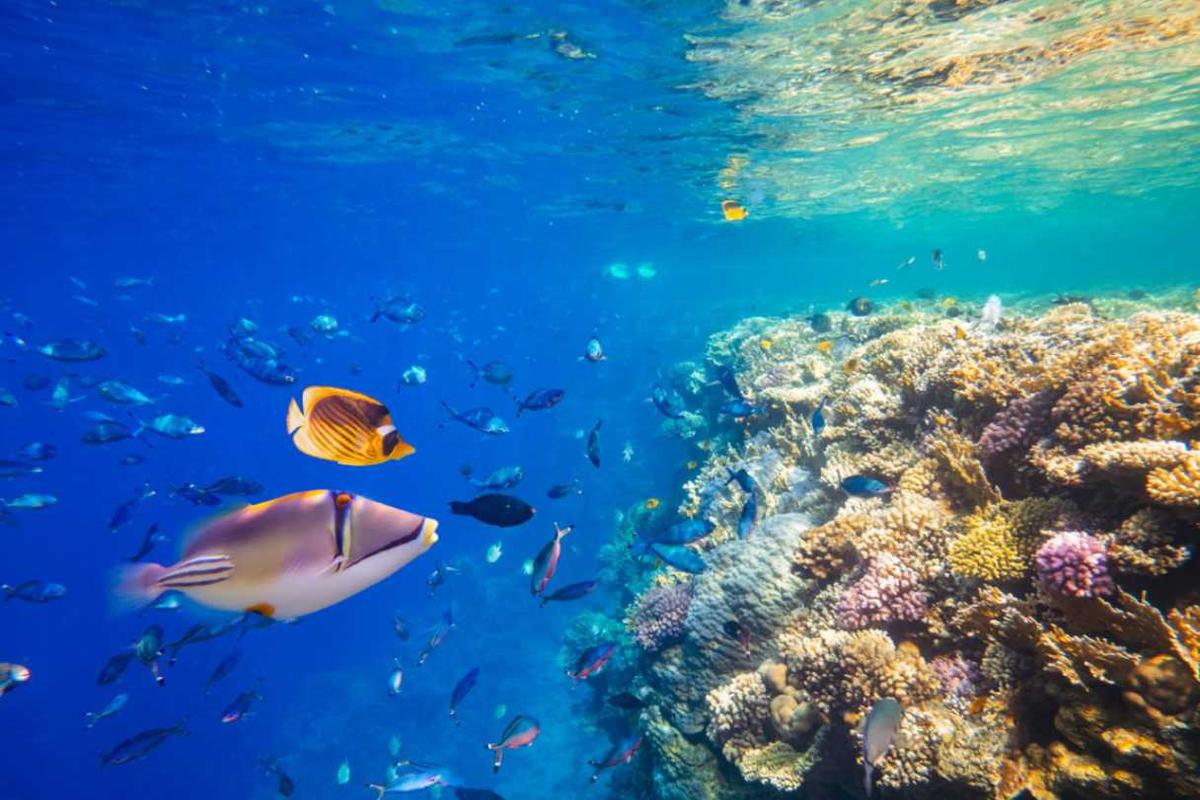
The Red Sea is a year-round diving destination, but the most comfortable windows are March to May and September to November, when water sits at 26–28°C and crowds thin out. Summer (June–August) brings the warmest water and the best chance of hammerhead shark schools, while winter (December–February) drops to 22–24°C and needs a thicker wetsuit — but comes with the lowest liveaboard prices of the year.
Which window is right for you depends on what you want to see. Divers chasing hammerhead sharks should target June–August at Daedalus Reef and the Brothers Islands; divers chasing oceanic whitetip sharks should aim for October–December at Elphinstone Reef. Wreck divers and shore-based travelers can dive the north Red Sea comfortably in any month.
When Is the Best Time to Dive the Red Sea?
For most divers, March–May and September–November are the best months to dive the Red Sea: water temperature sits at a comfortable 26–28°C, visibility is consistently strong at 20–30 meters, and liveaboards are less booked out than in peak summer.
If your goal is a specific animal, timing matters more than comfort. Hammerhead schools peak in June–August; oceanic whitetip sharks are most reliable from October to December. Diving is possible every month of the year — the difference is water temperature, topside heat and which pelagics are around.
Red Sea Diving Conditions by Season
| Season | Months | Water temp | Highlights | Verdict |
|---|---|---|---|---|
| Winter | December – February | 22–24°C | Clear water, thinner crowds, low-season liveaboard prices | Good value — pack a 5mm or 7mm wetsuit |
| Spring | March – May | 24–27°C | Warming water, strong visibility, fewer crowds than summer | Sweet spot — best all-round conditions |
| Summer | June – August | 27–29°C | Hammerhead shark schools at Daedalus and Brothers; hot topside (40°C+) | Best for hammerheads — book early |
| Autumn | September – November | 26–28°C | Oceanic whitetip sharks arrive at Elphinstone and Brothers from October | Sweet spot — comfortable heat, big pelagics |
Water Temperature and What to Wear Year-Round
The Red Sea never gets cold by global standards, but the swing between seasons is enough to change what you pack. Summer water reaches 27–29°C, comfortable in a 3mm shorty or even a rash guard for many divers. Winter water drops to 22–24°C — noticeably cooler, especially on a second or third dive of the day — and most divers switch to a 5mm or 7mm wetsuit, with some choosing a drysuit.
Topside heat: Summer air temperatures in Hurghada and Sharm el-Sheikh regularly pass 40°C. Shade, hydration and reef-safe sunscreen matter as much as your exposure suit.
Best Time for Hammerhead Sharks
Scalloped hammerhead sharks school in deep water off the south Red Sea's outer reefs, and June to August is the most consistent window to see them. The two top sites are Daedalus Reef, a remote pinnacle only reachable by liveaboard, and the Brothers Islands, where hammerheads patrol the drop-offs alongside resident grey reef and silvertip sharks. Sightings are never guaranteed — hammerheads are open-water sharks, not resident reef fish — but summer liveaboards are built around early-morning dives on these plateaus specifically to catch them.
See more shark-focused planning in our where to see hammerhead sharks guide.
Best Time for Oceanic Whitetip Sharks
Oceanic whitetips are most reliably seen from October to December at Elphinstone Reef and the Brothers Islands, where they follow baitfish along the reef walls in open water. Unlike hammerheads, oceanic whitetips are curious and will often approach divers directly, so most operators run strict briefings and keep groups close together during safety stops in open water.
North vs South Red Sea: Wrecks or Big Animals
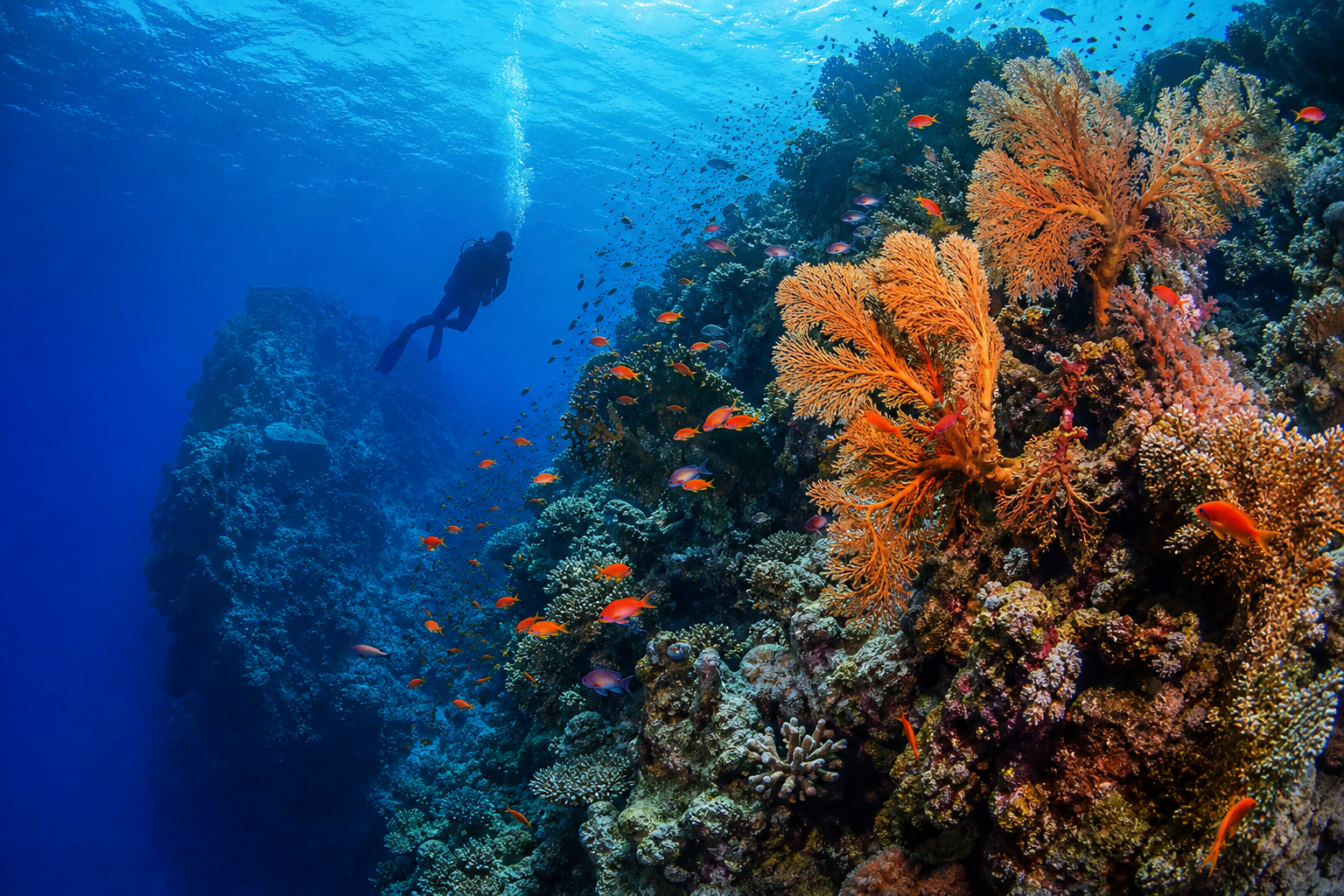
The north Red Sea — Ras Mohammed National Park, the Straits of Tiran and the wreck of the SS Thistlegorm — is diveable year-round from Sharm el-Sheikh or Hurghada, either on day boats or short liveaboards. Conditions are calmer, making it a good fit for newer divers and for anyone prioritizing wrecks and reef walls over pelagic sharks.
The south Red Sea — Daedalus Reef, the Brothers Islands and St John's Reef — is only reachable by liveaboard and is where the hammerhead and oceanic whitetip action concentrates. Currents run stronger here, so most operators expect an Advanced certification and a reasonable number of logged dives before booking these routes.
Compare wreck-focused sites in our best wreck dives in the world guide.
Liveaboard vs Shore-Based Diving
Shore-based diving out of Hurghada, Sharm el-Sheikh or Dahab works well year-round and suits shorter trips, since day boats reach the north Red Sea's reefs and wrecks within an hour or two. A Red Sea liveaboard is the only way to reach the south's remote reefs — Daedalus, the Brothers and St John's — and is the standard choice for divers timing a trip around hammerhead or oceanic whitetip season.
Planning Tips
- Book shoulder season for the best value. March–May and September–November combine warm water with lower demand than the July–August peak.
- Pack the right exposure suit for the month. A 3mm shorty works in summer; bring a 5mm or 7mm wetsuit for December–February.
- Book hammerhead and oceanic whitetip liveaboards early. Cabins on the south Red Sea routes fill up months ahead of the June–August and October–December windows.
- Check what's included before booking. Trip pages list marine park fees and other mandatory extras up front — Be Underwater adds no booking fees on top of the listed price.
- Compare boats by route, not just by date. See real Red Sea liveaboards to check which itinerary matches the season you're traveling in.
FAQ: Best Time to Dive the Red Sea
What is the best month to dive the Red Sea?
There is no single best month — the Red Sea dives year-round. March to May and September to November offer the most balanced conditions, with water at 24–28°C, strong visibility and fewer crowds than the July–August peak.
When can I see hammerhead sharks in the Red Sea?
Scalloped hammerhead schools are most reliable from June to August at Daedalus Reef and the Brothers Islands, where they gather in deep water off the drop-offs. Sightings can extend into September in some years.
When is oceanic whitetip shark season in the Red Sea?
Oceanic whitetips are most consistently seen from October to December at Elphinstone Reef and the Brothers Islands, where they follow baitfish and patrol the reef drop-offs in the open water.
Do I need a wetsuit in the Red Sea in winter?
Yes. Water temperature drops to 22–24°C from December to February, so most divers wear a 5mm or 7mm wetsuit, or a drysuit if they run cold. In summer a 3mm shorty is enough for most people.
Is the Red Sea good for diving in summer?
Yes — water is at its warmest (27–29°C) and hammerhead sharks are most active, though topside temperatures can exceed 40°C and liveaboards are at their busiest, so book cabins well in advance.
Should I dive the north or south Red Sea?
The north (Ras Mohammed, SS Thistlegorm, Straits of Tiran) is known for wrecks and reef walls and suits shorter trips from Sharm el-Sheikh or Hurghada. The south (Daedalus, Brothers, St John's) requires a liveaboard and is where the big pelagic action — hammerheads and oceanic whitetips — happens.
Related Guides
Find Your Red Sea Liveaboard
Compare real Red Sea liveaboards by season, cabin type and route, and request your dates online.
Browse Red Sea Liveaboards