Scuba Diving in Fuvahmulah, Maldives: Tiger Sharks, Thresher Sharks and Ocean Blue Diving
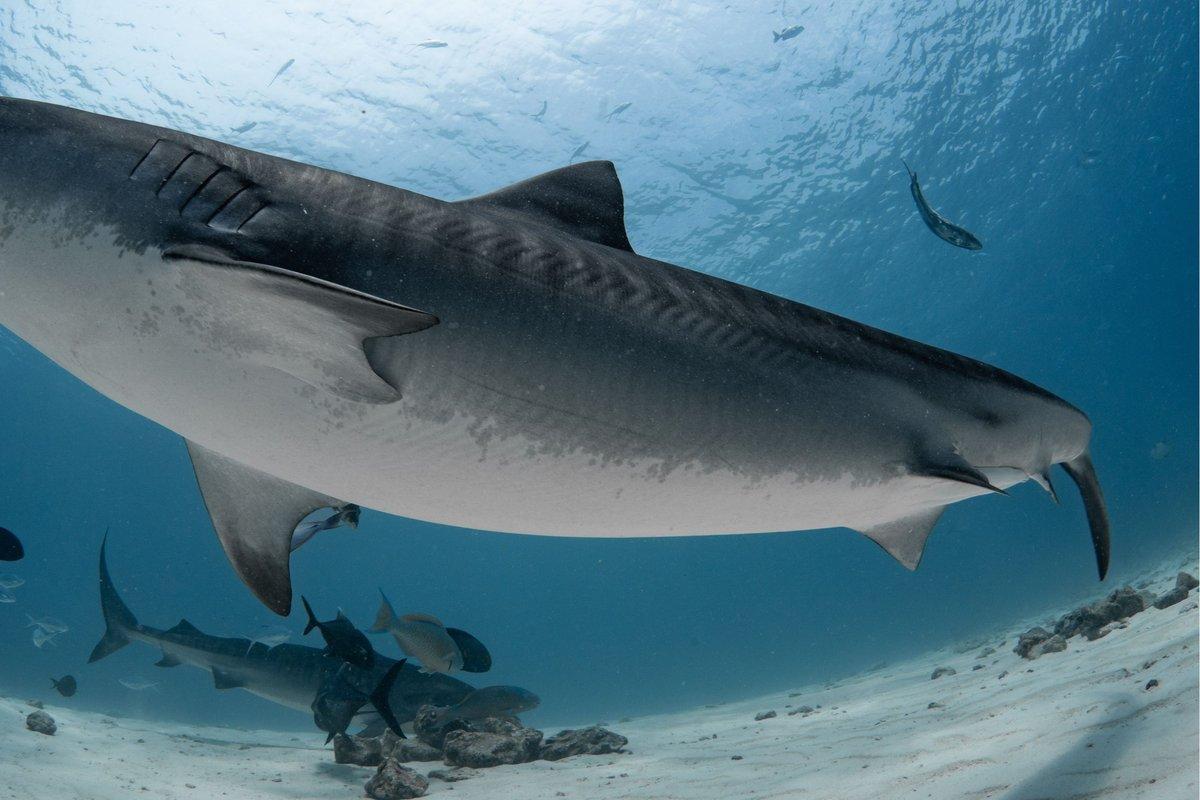
Fuvahmulah is a single, isolated atoll-less island in the far south of the Maldives — and one of the most talked-about shark diving destinations on the planet. Unlike the shallow lagoons of the northern and central atolls, Fuvahmulah drops almost straight into deep ocean water just meters from the harbor, which pulls in pelagic species that rarely come this close to shore anywhere else.
This guide covers what makes diving in Fuvahmulah unique: the famous tiger shark dives, thresher shark encounters, the required skill level, when to go, and how to actually get there. If you are researching the best dive spots in the Maldives more broadly, Fuvahmulah is the outlier worth a dedicated trip.
What Is Fuvahmulah Known For in Scuba Diving?
Fuvahmulah is known for year-round tiger shark dives at a site locals call the Tiger Zoo (or Tiger Harbour), just outside the island's harbor mouth. It is also one of the few places in the world with consistent thresher shark sightings, plus regular encounters with scalloped hammerheads, silvertip sharks, oceanic manta rays and the occasional whale shark — all within a short boat ride of shore.
Most dives here are deep blue water dives with real current and no reef to hide behind, so Fuvahmulah is generally recommended for intermediate to advanced divers, not a first certification destination.
Why Fuvahmulah Diving Is Different
Most Maldives diving happens inside atoll lagoons and along reef channels (kandus) with a clear reef wall to orient against. Fuvahmulah has no surrounding atoll — the island sits alone in open ocean, and the seabed drops to hundreds of meters within a short swim of the harbor. That geography is exactly why large pelagic species pass so close to shore: there is no wide, shallow reef system for them to avoid.
In practice, this means many Fuvahmulah dives are blue water dives — divers descend along a mooring or drop straight into open water with no bottom in sight, hold a position at a set depth, and wait for sharks to circle past. Currents can shift quickly, and there is little reef structure for buoyancy reference, which is why local operators are strict about experience level and dive briefings.
Best Dive Sites in Fuvahmulah
1. Tiger Zoo (Tiger Harbour)
The site that put Fuvahmulah on the map. Just outside the harbor entrance, dive boats anchor over a sandy plateau where tiger sharks gather to feed on fish scraps discarded by local fishing boats — a natural behavior that has made sightings remarkably reliable almost all year. Dives are shallow (roughly 10–15 meters) but require calm, controlled buoyancy and comfort being close to large sharks in open water.
Best for: Certified divers with tiger shark or big-animal briefing completed on-site; not a beginner dive due to proximity to large sharks and boat traffic overhead.
2. Thresher Shark Point
Fuvahmulah is one of a handful of places worldwide where thresher sharks can be seen on recreational dives with reasonable consistency, typically in deeper blue water in the early morning. Thresher encounters are less predictable than tiger shark sightings and depend on current and visibility on the day.
Best for: Advanced Open Water divers comfortable at depth in open blue water with current.
3. The Plateau & Farikede
South of the harbor, the plateau and the site known as Farikede offer a mix of reef structure and open water, attracting schooling reef fish alongside passing oceanic visitors — silvertip sharks, grey reef sharks and, on good days, scalloped hammerheads in the deeper blue. These sites work well as a change of pace from the pure blue-water tiger and thresher dives.
4. Hammerhead & Oceanic Blue Dives
Beyond tigers and threshers, Fuvahmulah's open water regularly produces sightings of scalloped hammerhead sharks, oceanic mantas and, occasionally, whale sharks passing through. These are opportunistic blue water dives — operators watch conditions and currents closely and adjust the plan day to day. If hammerheads are your main goal, read our dedicated guide on where to see hammerhead sharks.
Tip: Sightings are never guaranteed on any single dive. Multi-day stays significantly improve your odds across all of Fuvahmulah's signature species.
What Certification Do You Need to Dive Fuvahmulah?
Most operators in Fuvahmulah require at minimum an Open Water certification with recent diving experience, and strongly recommend — or require for the deeper thresher and hammerhead dives — an Advanced Open Water certification. The combination of open blue water, no reef reference, current and the presence of large sharks means operators prioritize divers who are comfortable with buoyancy control and current diving before booking them onto the signature sites.
If you are newer to diving, it is worth logging additional dives and gaining current experience elsewhere in the Maldives — for example around Dhigurah — before booking a dedicated Fuvahmulah trip.
Is It Safe to Dive with Tiger Sharks in Fuvahmulah?
Tiger shark diving in Fuvahmulah has become a well-established, regularly run activity, and local operators follow strict briefings: staying in a group, maintaining position on the sand, controlled entries and exits, and no touching or feeding. Incidents are rare when divers follow the dive guide's instructions closely.
As with any shark diving, it is not risk-free — choose an experienced local operator, listen carefully to the pre-dive briefing, and be honest with yourself about your comfort level before getting in the water. If you have any doubts, say so before the dive, not during it.
When Is the Best Time to Dive in Fuvahmulah?
Tiger sharks are sighted in Fuvahmulah almost year-round, which is part of what makes the island unique. Conditions still shift with the Maldives' two monsoon seasons:
- Northeast monsoon (roughly December–March): Generally calmer seas and better visibility, considered the more comfortable window for boat trips.
- Southwest monsoon (roughly May–November): Can bring rougher surface conditions and more variable visibility, though tiger shark sightings typically continue.
Thresher shark and hammerhead sightings tend to be less seasonal and more dependent on daily current and visibility, so ask your dive center about recent conditions before you book.
How to Get to Fuvahmulah
Fuvahmulah has its own domestic airport, so the most common route is a domestic flight from Malé (Velana International Airport) on Maldivian or Manta Air, landing directly on the island — no speedboat or seaplane transfer required, which is unusual for the Maldives and part of what makes Fuvahmulah easy to combine with a short, focused diving trip.
Divers based further south sometimes combine Fuvahmulah with other southern atoll stops, including a connection through Dhigurah, though routes and flight availability change — confirm current schedules directly with the airline or your dive center before booking.
Search tip: If you are planning around a central Fuvahmulah dive operator, look for a Fuvahmulah central dive center near the harbor — most tiger shark trips depart within minutes of the airport and main town.
Planning Your Fuvahmulah Diving Trip
- Book with a local, experienced operator: Tiger shark diving here is a specialized activity — choose a center with a strong safety record and clear briefings.
- Bring your Advanced Open Water card: Many of the best sites (threshers, hammerheads) are reserved for divers with deeper, current-diving experience.
- Stay several days if possible: Sightings vary day to day; multiple mornings at the Tiger Zoo and thresher sites dramatically improve your odds of seeing everything Fuvahmulah is known for.
- Pack for open water: A well-fitted wetsuit, DSMB and reef-safe practices matter even more here since there is often no reef to hold onto in current.
- Consider diving accident insurance: Read our guide on diving accident insurance before a trip built around deep, current-heavy pelagic dives.
FAQ: Diving in Fuvahmulah
Is it safe to dive with tiger sharks in Fuvahmulah?
Yes, when diving with an experienced local operator that follows strict briefings — staying in a group, controlled positioning on the sand, and no touching or feeding. Incidents are rare when divers follow the guide's instructions.
What certification do I need for Fuvahmulah?
Open Water certification is the minimum most operators accept, but Advanced Open Water is strongly recommended — and often required for thresher shark and hammerhead dives — due to depth, current and open blue water conditions.
When is the best time to dive Fuvahmulah?
Tiger sharks are sighted almost year-round. The northeast monsoon (roughly December–March) generally brings calmer seas and better visibility, while the southwest monsoon (May–November) can be more variable.
How do I get to Fuvahmulah?
Fuvahmulah has its own domestic airport with direct flights from Malé (Velana International Airport), so no speedboat or seaplane transfer is needed once you land.
Can beginners dive in Fuvahmulah?
Fuvahmulah is generally better suited to intermediate and advanced divers because most sites involve open blue water and current with little reef structure. Newer divers should build current and buoyancy experience elsewhere in the Maldives first.
Related Diving Guides
Find Dive Centers in Fuvahmulah
Compare dive centers running tiger shark, thresher shark and blue water dives in Fuvahmulah — read reviews, check requirements and book your next trip.
Search Fuvahmulah Dive Trips