Scuba Diving Tips for Beginners: 25 Practical Tips
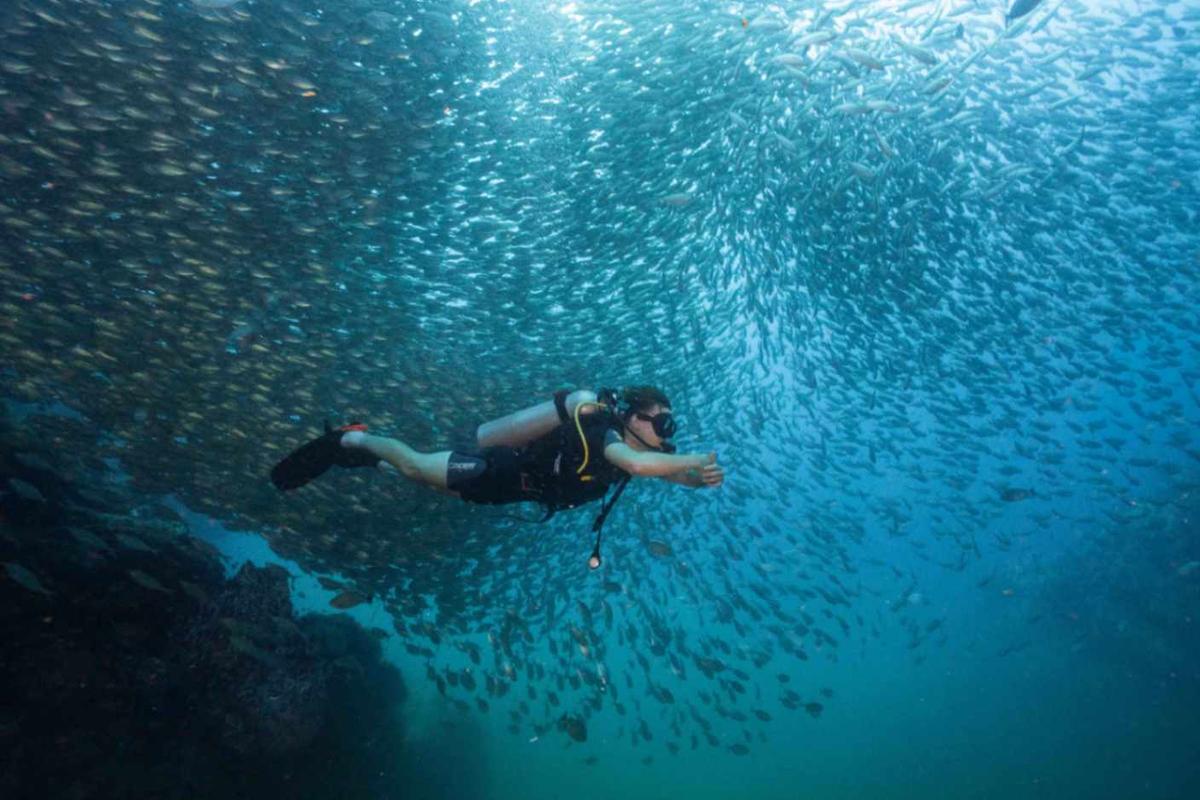
The most useful scuba diving tips for beginners are simple: breathe slowly and never hold your breath, equalize early and often, get a mask that fits, keep practicing buoyancy, stay with your buddy and ascend slowly.
This guide is the practical, trip-ready companion to Scuba Diving 101. These tips do not replace training: learn to dive with a qualified instructor, and follow your briefing. Ready to book? Browse dive centers and courses.
Before the Trip
1. Fill in the medical questionnaire honestly
Every course and try dive starts with one. If you answer yes to any question, see a doctor before you travel, not at the dive shop.
2. Get the right insurance
Standard travel insurance often excludes diving. Read scuba diving insurance vs travel insurance to see what to look for.
3. Pick the dive center, not just the price
Ask about group sizes, the instructor-to-student ratio, equipment condition and how they brief new divers. Smaller groups give you more attention.
4. Learn to swim comfortably
You do not need to be an athlete, but you should be comfortable in the water and able to float and swim a short distance.
5. Choose a certification path early
If you plan to get certified, compare options in our Open Water course guide and cheapest places to get scuba certified.
6. Get the theory done before you fly
Many agencies offer online theory, so your holiday time goes into the water instead of a classroom.
Gear
7. Make sure your mask fits
Press the mask to your face without the strap and breathe in through your nose. If it stays in place, the seal is good. A mask that leaks will distract you for the whole dive.
8. Prevent mask fog
Clean the lens and use defog or a little spit, then rinse lightly. See our guide to preventing mask fog.
9. Rent the big items, consider buying the small ones
A mask, snorkel and fins that fit are worth owning. Regulators, BCDs and wetsuits are usually rented at first. The rent vs buy guide goes through it.
10. Wear the right thickness of exposure suit
Cold makes you uncomfortable and cuts the dive short. Ask the center what wetsuit thickness suits the water temperature.
11. Check your gear before you enter the water
Your instructor will walk you through the pre-dive check with your buddy. Do it every time, even when you feel rushed.
In the Water
12. Breathe slowly and continuously
Take slow, deep breaths and exhale fully. Fast breathing uses air faster and raises stress.
13. Never hold your breath
This is the first rule of scuba. Holding your breath while ascending can cause serious lung injury, so keep breathing at all times.
14. Equalize early and often
Start equalizing at the surface and every meter or so on the way down, before you feel pain. If your ears hurt, stop and ascend slightly. Read how to equalize your ears.
15. Work on buoyancy first
Good buoyancy is what makes diving look effortless. Small amounts of air in the BCD and your breathing control your depth.
16. Stay with your buddy
Check on your buddy regularly and agree on hand signals before you enter the water.
17. Know the basic hand signals
Learn okay, up, down, stop and out of air. Your instructor will teach them, but practice them beforehand.
18. Ascend slowly and do a safety stop
Ascend at the rate you were taught and make a safety stop at about 5 m for about 3 minutes when you can.
19. Ask to stop if something feels wrong
Signal your instructor or buddy and ascend calmly. Diving is voluntary, and ending a dive early is always an acceptable choice.
After the Dive
20. Wait before flying
Do not fly right after diving. Common guidance is at least 12 hours after a single no-decompression dive and 18 hours or more after multiple days of diving, and some agencies recommend 24 hours. Follow your agency and dive computer.
21. Drink water and rest
Diving is dehydrating. Drink water and give yourself time to recover between dives.
22. Avoid alcohol before diving
Alcohol and diving do not mix. Wait until your diving for the day is finished.
23. Keep a logbook
Record the site, depth, time and what you saw. It helps you track progress and is useful for future courses.
Your First Trips
24. Start in calm, warm water
Easy conditions let you focus on skills. See best places to scuba dive for beginners and browse dive destinations.
25. Try a Discover Scuba before committing
A Discover Scuba session lets you try diving with an instructor before you pay for a full course. If you like it, it can often count toward a course afterward; ask the center.
Next Steps
FAQ: Scuba Diving Tips for Beginners
What is the most important tip for a beginner scuba diver?
Never hold your breath. Breathe slowly and continuously from the moment you descend until you are back at the surface.
How long should I wait to fly after diving?
Common guidance is at least 12 hours after a single no-decompression dive and at least 18 hours after multiple dives or several days of diving, with some agencies recommending 24 hours. Follow your agency's rules and your dive computer.
Is scuba diving hard for beginners?
Most people find the basics manageable with a good instructor. The skills are learned gradually, and the main things to practice are breathing, equalizing and buoyancy.
Should I buy my own gear as a beginner?
Many beginners start by buying a mask, snorkel and fins that fit, and renting the rest. Our rent vs buy guide explains the trade-offs.
Can I learn to dive just from reading tips?
No. Tips help you prepare, but they do not replace training with a qualified instructor and a recognized certification course.
Find your first dive
Compare real dive centers and request your booking online.
Browse Dive Destinations