Snorkeling for Beginners: How to Start (2026 Guide)
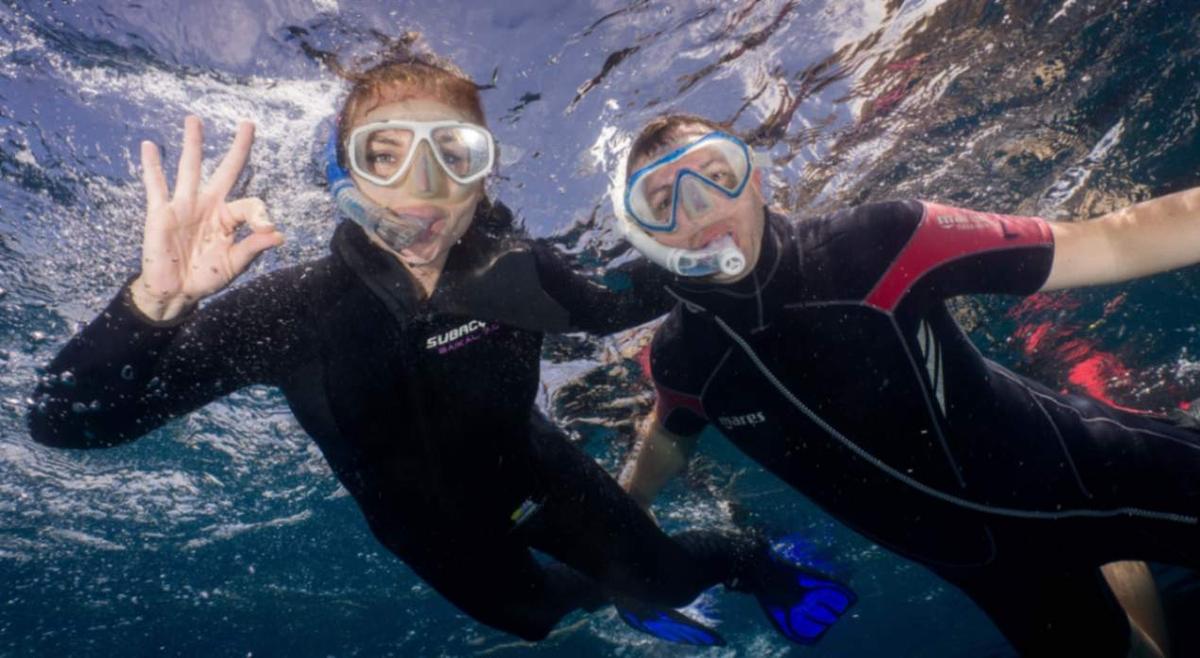
To start snorkeling you need a mask that seals on your face, a snorkel, fins and a calm, shallow place to practice. Breathe slowly through your mouth, kick gently from the hips, never touch the reef, and stay with a buddy or guide. Most people are comfortable within the first session.
This guide covers gear, breathing, clearing water, safety, the types of snorkeling and the best beginner spots, then how to move on to scuba diving if you want to go deeper. Once you are ready to travel, see the best places to snorkel in the world and where to snorkel with sea turtles.
Snorkeling Gear: What You Actually Need
Mask
The mask is the one item worth choosing carefully, because a leaking mask ruins a snorkel. Do a simple fit test in the shop: hold the mask against your face without using the strap, breathe in gently through your nose and let go. If it stays on by suction for a few seconds, the skirt seals well. Make sure no hair sits under the skirt, and that the mask does not press on your nose or brow. Tempered glass lenses and a soft silicone skirt are the standard.
Snorkel
- Classic (open-top) snorkel: a simple J-shaped tube. Light, cheap and fine for calm water. Water can enter from waves and is blown out with a sharp exhale.
- Semi-dry snorkel: has a splash guard on top that keeps most wave spray out.
- Dry snorkel: a valve at the top closes when the tube goes under water. It keeps the tube dry, which many beginners find reassuring, though the tube can still flood if you dive below the surface, so clear it with a firm exhale as usual.
Fins
Fins turn a tiring swim into an easy glide. Short, comfortable fins are enough for beginners. Closed-heel fins are worn barefoot or with thin socks, while open-heel fins are worn with booties and are better for rocky entries. Rented fins should be snug without cramping your feet.
Full-face masks
Full-face snorkel masks cover the whole face and let you breathe through your nose and mouth. They are popular for their wide field of view. Some safety agencies and dive organizations have raised concerns about certain designs, including questions about carbon dioxide build-up and about how easily they can be removed in an emergency, and some operators do not allow them on their trips. If you want to use one, choose a well-reviewed design, follow the manufacturer's instructions, and check with your tour operator first. A traditional mask and snorkel is the safest default for a first session.
Extras
A rash vest or thin wetsuit top protects against sun and jellyfish and adds a little warmth. A flotation vest or swim belt keeps you effortlessly at the surface and is a good idea if you are nervous.
How to Breathe and Clear Your Snorkel
- Practice in shallow water or a pool first. Put your face in the water and breathe through the snorkel while standing.
- Breathe slowly and deeply through your mouth. Pause briefly between breaths. Fast shallow breathing tires you out and fogs the mask.
- Bite the mouthpiece gently and keep your jaw relaxed; a tight bite causes jaw ache.
- Clear the snorkel with a blast. If water gets in the tube, take a breath and exhale firmly through the snorkel until it is clear. Then breathe in carefully. You can also lift your head and empty it.
- Clear a leaking mask. Lift your face to the surface, pull the mask away at the bottom to let water drain, reseal, and tilt your head back slightly. If it keeps leaking, adjust the strap and check for hair under the skirt.
To prevent fogging, clean a new mask thoroughly to remove the factory film, and apply defog gel (or a drop of baby shampoo, rinsed lightly) to the dry lens before each outing.
Floating, Buoyancy and Kicking
Lie flat on the surface and relax. The body floats more easily when you stay horizontal, arms by your sides or resting loosely in front. Kick slowly from the hips with straight but relaxed legs; small, smooth kicks move you further than splashing. Splashing also scares fish.
Look before you move, especially in shallow reefs, so your fins do not touch the bottom. If you want to dive down for a closer look, take a breath, tip forward and let your fins lead you down, and clear your ears by pinching your nose and gently blowing if you feel pressure. Do not push through ear pain.
Snorkeling Safety Basics
- Never snorkel alone. Use a buddy, or a guided trip, and agree on a signal for help.
- Check conditions before you enter. Ask about currents, waves, boat traffic and where the safe entry and exit points are. Do not go out in rough water or strong current as a beginner.
- Wear a flotation vest if unsure, and stay within reach of your boat or shore.
- Protect your skin. Reflected sun burns your back fast. Cover up with a rash vest and use reef-safe sunscreen, applied well before you get in.
- Do not touch coral or animals. Touching damages reef and can sting or injure you. Do not stand on coral, chase turtles or feed fish.
- Stop if you feel unwell, cold, tired or short of breath, and get out of the water.
Types of Snorkeling
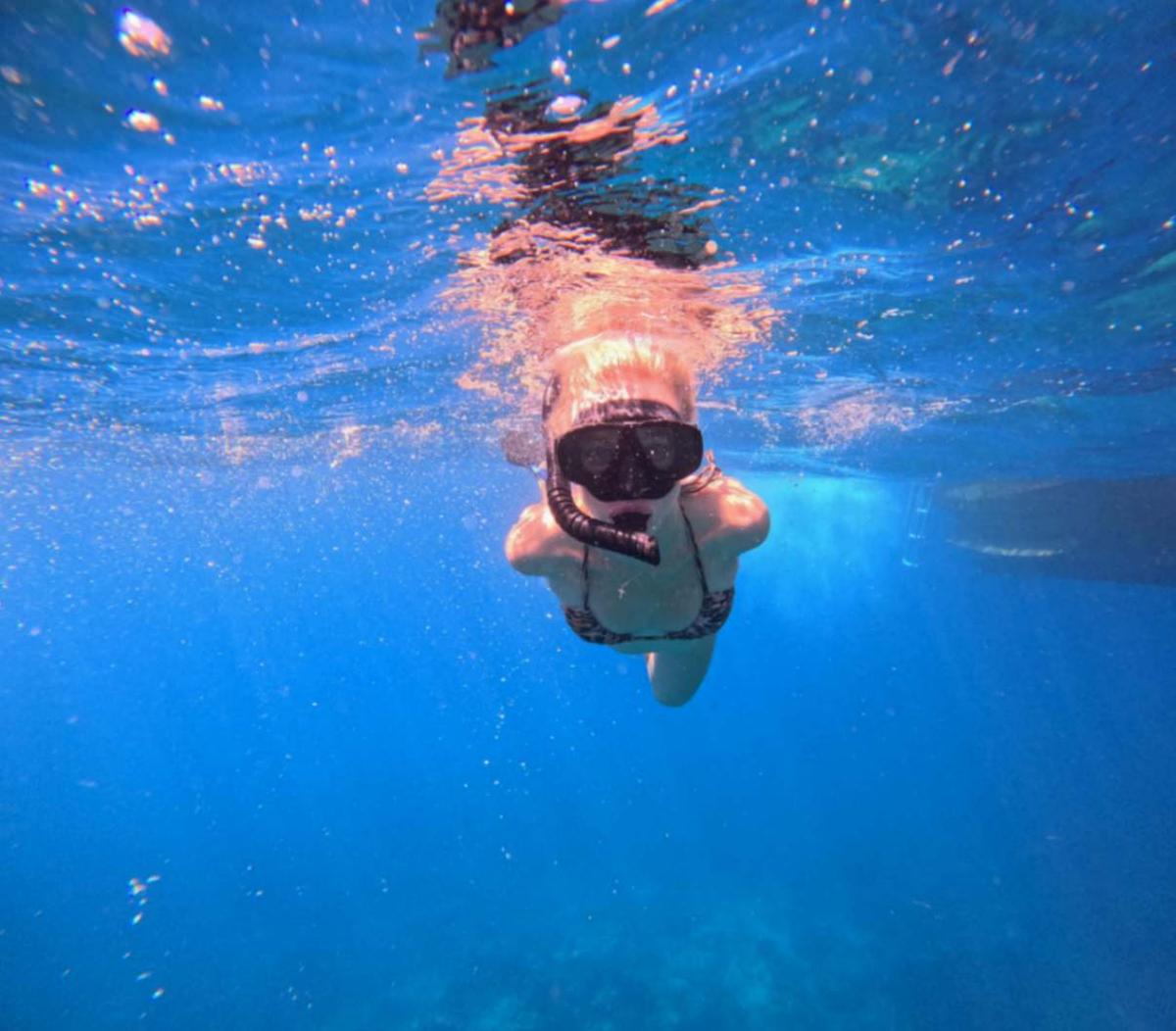
- Shore snorkeling: you enter from the beach. It is cheap and flexible, but you need to know the entry points, tides and currents, and the best reef may be too far to swim.
- Boat snorkeling: a boat takes you to reefs and bays that are hard to reach from land. Good for beginners because the crew provides gear, a safe entry and a ladder out.
- Guided snorkeling: a guide leads the group, knows the site and the animals, and keeps an eye on everyone. The best option for a first trip, and required at some protected sites.
- Freediving-style snorkeling: breath-hold dives to look at things more closely. Learn the basics from a qualified instructor before trying it.
Best Beginner Snorkeling Spots
Look for calm, shallow, sheltered water with easy entry and a guide on hand. These are good places to start, and you can book real snorkel trips for most of them on Be Underwater (prices are those listed on Be Underwater and vary by season).
- Snorkel by boat, Costa Adeje, Tenerife — Scuba Point Tenerife — from ~$59
- Snorkel from the boat, Los Cristianos, Tenerife — Diving Atlantis — from ~$53
- Snorkel trip by boat, Tenerife — Aqua-Marina Dive Center — from ~$53
- Green Bay guided snorkel trip, Famagusta/Protaras, Cyprus — Triton Adventures — from ~$65
- Snorkeling, Koh Chang, Thailand — Koh Chang Divers — from ~$24
- Snorkelling in Hurghada, Egypt — from ~$48
Tenerife has boat trips from Los Cristianos and Costa Adeje in sheltered coastal waters, where green turtles are often seen. Green Bay in Cyprus is a calm bay on the Protaras coast. Koh Chang in Thailand offers warm, easy snorkeling around the island's reefs. The Gili Islands in Indonesia are known for shallow reefs and turtles; see the Gili Islands dive centers.
Browse more: all snorkel trips on Be Underwater.
From Snorkeling to Scuba Diving
If you love snorkeling and want to see what is below the surface, scuba diving is the natural next step. No certification is needed to try it: a discover scuba diving session pairs you with an instructor in shallow water. Browse discover scuba diving options, and read Scuba Diving 101: everything you need to know before your first dive.
Your snorkeling skills carry over directly: mask clearing, comfort in the water and good fin technique all help you in a scuba course.
FAQ: Snorkeling for Beginners
Is snorkeling hard for beginners?
No. Most people learn the basics in a few minutes in shallow water: put on a well-fitting mask, breathe slowly through the snorkel and kick gently with fins. The usual hurdle is getting used to breathing through your mouth, which is why a first practice session in calm, shallow water helps.
Do I need to know how to swim to snorkel?
You should be comfortable in the water. Weak swimmers can snorkel with a flotation vest and a guide, and many guided trips provide vests. Do not snorkel alone, and stay close to your boat, guide or buddy.
What equipment do I need to start snorkeling?
A mask that fits your face, a snorkel, and fins. Many beginners also use a rash vest or wetsuit top for sun and warmth and a flotation vest for confidence. Most snorkel trips include or rent the basic gear.
How do I stop my mask from fogging?
Clean the inside of a new mask to remove the factory film, then before each snorkel rub a little defog gel or a drop of baby shampoo on the inside of the dry lens, rinse lightly and put it on. Do not touch the inside of the lens afterwards.
What is the difference between snorkeling and scuba diving?
Snorkeling is done at the surface with a mask, snorkel and fins and needs no certification. Scuba diving uses a tank so you can breathe underwater and go deeper, and it requires training. A discover scuba diving session lets complete beginners try it with an instructor.
Related Guides
Book Your First Snorkel Trip
Browse guided snorkel trips listed by local operators and request your booking online.
Browse Snorkel Trips