10 Best Dive Sites in Greece: Complete Guide (2026)
The best dive sites in Greece are the Santorini caldera, Elephant's Cave in Crete, Zakynthos, Rhodes and the Alonissos Marine Park wrecks. The best time is late May to October, with water of 20-27°C; Corfu, Zakynthos and Rhodes suit beginners, while the Alonissos and Peloponnese wrecks call for Advanced Open Water.
Last updated: October 2026
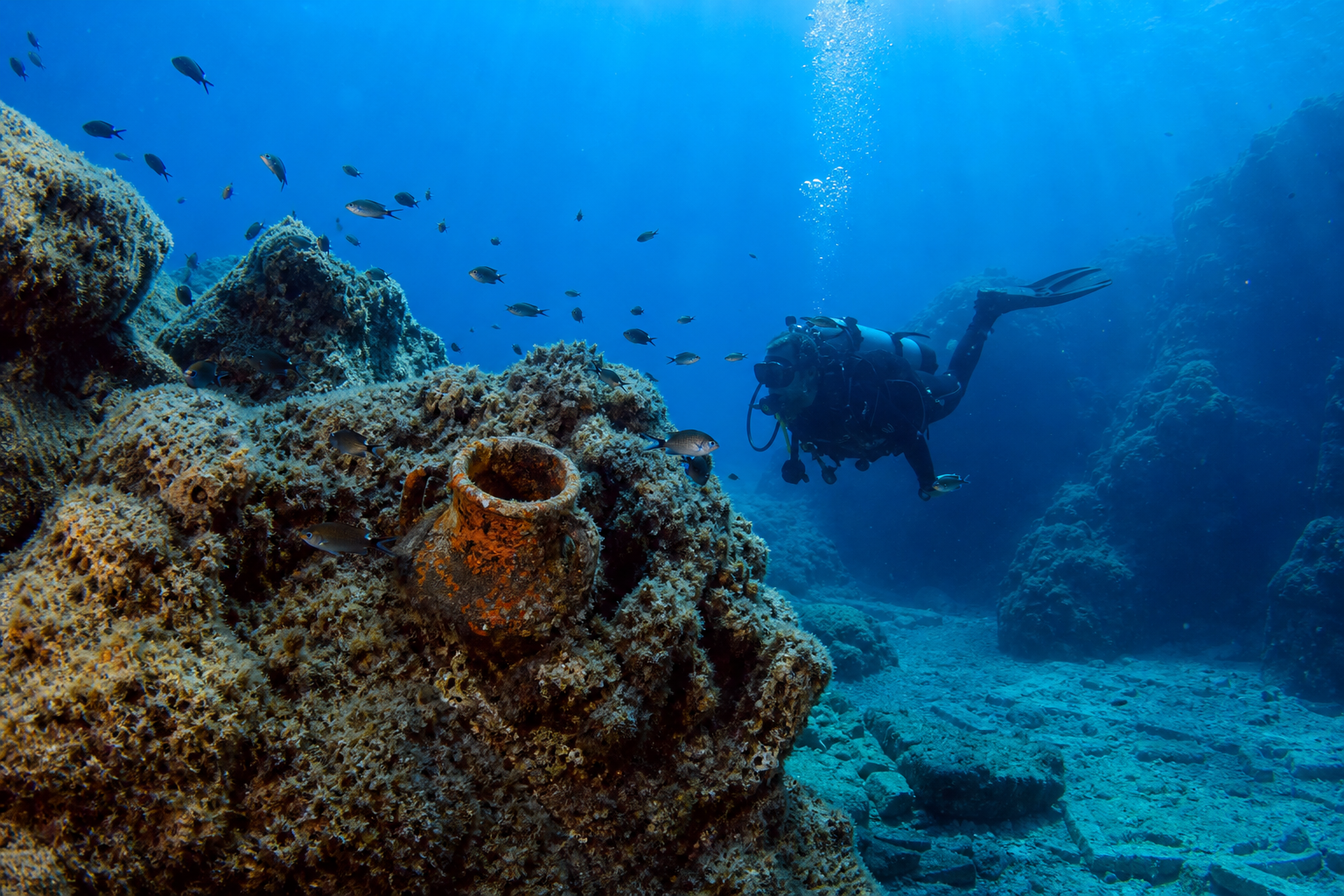
Greece is a dream destination for Mediterranean diving. Warm summer water, excellent visibility, volcanic landscapes and historic wrecks make it one of Europe's most rewarding dive regions for both beginners and advanced divers.
This guide covers the best dive spots in Greece, from the Santorini caldera to the wrecks of the Peloponnese. Use it to plan your next holiday, then explore our scuba diving in Greece overview for certifications, prices and marine life. If you are comparing Europe-wide options, see the best places to scuba dive in Europe.
What Are the 10 Best Dive Spots in Greece?
The top dive spots in Greece are the Santorini caldera for volcanic walls, Crete (Elephant's Cave/Chania) for caverns and turtles, Zakynthos for caves and turtles, Rhodes for clear Aegean reefs, Naxos for Cyclades walls, the Alonissos Marine Park wrecks for protected shipwrecks, Corfu and Kefalonia for Ionian visibility, the Peloponnese wrecks for history, and the Nea Styra wreck near Evia.
The best time to dive Greece is late May through October, with July to September offering the warmest water (24–27°C) and strongest visibility.
Greece Dive Sites at a Glance
| Dive spot | Best season | Level | Highlights |
|---|---|---|---|
| Santorini caldera | Jun–Sep | OW+ | Volcanic walls |
| Crete (Elephant's Cave) | May–Oct | AOW | Cavern formations |
| Zakynthos | Jun–Sep | Beginner | Caves, turtles |
| Rhodes | May–Oct | Beginner+ | Clear Aegean reefs |
| Naxos | Jun–Sep | Beginner+ | Cyclades walls |
| Alonissos wrecks | Jun–Sep | AOW+ | Historic wrecks |
| Corfu | Jun–Sep | Beginner | Ionian visibility |
| Kefalonia | Jun–Sep | OW+ | Blue caves |
| Peloponnese wrecks | May–Oct | AOW+ | Deep wrecks |
| Nea Styra wreck | May–Oct | OW+ | Accessible wreck |
Book Diving in Greece
Browse all Greek dive centers, or start with the islands below. Prices vary by season; Open Water courses are listed from $490 in Georgioupolis (Crete).
Greece Diving Regions at a Glance
Greece has two main diving seas with different vibes. Knowing the difference helps you plan your itinerary:
- Aegean Sea: Santorini, Naxos, Rhodes, Alonissos, Nea Styra. Volcanic walls, caves, and some of Greece's most famous wreck dives.
- Ionian Sea: Corfu, Kefalonia, Zakynthos. Calm water, lush coastlines and excellent visibility, ideal for beginners and photographers.
10 Best Dive Spots in Greece (Detailed)
1. Santorini Caldera (Aegean Sea)
Santorini is Greece's most iconic island above water, and its underwater topography is just as dramatic. The volcanic caldera creates steep walls, lava formations and tunnels, with dives often starting at 5–8 meters and dropping to 30 meters.
Expect schools of damselfish, octopus and vivid volcanic rock. Popular sites include The Volcano and Aspronisi. It is an excellent choice for divers who love geology and scenic walls.
Best for: Intermediate divers comfortable with wall dives and occasional current.
2. Crete — Elephant's Cave (Chania)
Elephant's Cave near Chania is one of Greece's most famous cavern dives, filled with stalactites and pale limestone. Light beams enter from the surface, creating spectacular visibility and photo opportunities.
Crete also offers rocky reefs, nudibranchs and turtles. The island is a great base for longer holidays with a mix of shore and boat dives.
Quick info: Advanced Open Water recommended for deeper cave sections.
3. Zakynthos (Ionian Sea)
Zakynthos is known for sea turtles and bright turquoise bays. Dives here feature caves, arches and gentle slopes ideal for training. Visibility often exceeds 20 meters in summer.
Best for: Beginner divers and relaxed summer holiday dives.
4. Rhodes (Dodecanese Islands)
Rhodes offers clear water, coral gardens and easy access from the main resort areas. Dives around Kalithea and Ladiko Bay are known for gentle reefs and vibrant fish life.
Tip: Combine Rhodes with a ferry hop to nearby islands for variety.
5. Naxos (Cyclades)
Naxos is ideal for divers who want quieter Cyclades vibes. Expect rocky reefs, walls and the occasional small wreck. Visibility is consistently good, and the island works well for beginners and intermediate divers.
Best for: Cyclades island hopping and relaxed reefs.
6. Alonissos Marine Park Wrecks
The Alonissos Marine Park is Greece's largest protected marine area and a highlight for Aegean wreck diving. The famous Peristera shipwreck is a 5th-century BC merchant ship with amphorae scattered across the seabed.
Quick info: Many wreck dives here require advanced certification and a guide.
7. Corfu (Ionian Sea)
Corfu delivers calm summer seas, caves and excellent visibility. The island is popular with beginners and families, with easy shore entries and gentle depths.
Best for: Open Water training and snorkeling-focused holidays.
8. Kefalonia (Ionian Sea)
Kefalonia is known for blue caves, walls and clear water around the island's southern coast. Expect rocky reefs, octopus, and serene conditions perfect for photography.
Tip: Pair Kefalonia with Zakynthos or Lefkada for an Ionian road trip.
9. Peloponnese Wrecks (Southern Greece)
The Peloponnese coastline hides a range of historic shipwrecks from WWII and commercial shipping routes. Many are deeper technical or advanced recreational dives with dramatic structure and marine growth.
Best for: Advanced divers and wreck enthusiasts.
10. Nea Styra Wreck (Evia)
The Nea Styra wreck is an accessible Aegean shipwreck near Evia. It sits in recreational depths with good visibility and makes an ideal first wreck dive for certified divers.
Quick info: Best explored with a local guide from Nea Styra or nearby coastal towns.
When Is the Best Time to Dive in Greece?
Most divers plan trips for late spring through early autumn:
- Peak season (July–September): Warmest water, calm seas and the highest visibility.
- Shoulder season (May–June, October): Cooler water but fewer crowds and solid conditions.
Water temperatures typically range from 20–27°C. A 5 mm wetsuit is common in early season, while a 3 mm suit is usually enough mid-summer.
How to Plan Your Greece Diving Trip
- Pick your sea: The Aegean offers volcanic walls and wrecks; the Ionian is calm and great for training.
- Book popular islands early: Santorini, Crete and Rhodes fill up during July and August.
- Match dives to your level: Wreck-heavy areas like Alonissos and the Peloponnese are best after Advanced Open Water.
- Island hop efficiently: Pair nearby islands (Naxos + Santorini, Corfu + Kefalonia) to maximize dive variety.
- Respect protected areas: Marine parks require permits and guides; follow local conservation rules.
FAQ: Diving in Greece
What are the best dive sites in Greece?
The Santorini caldera, Elephant's Cave in Crete, Zakynthos, Rhodes, Naxos, the Alonissos Marine Park wrecks, Corfu, Kefalonia, the Peloponnese wrecks and the Nea Styra wreck near Evia.
Is Greece good for beginner divers?
Yes. Calm bays in Corfu, Zakynthos and Rhodes make Greece a great place to learn or complete Open Water courses.
What is the best wreck dive in Greece?
The Peristera shipwreck in Alonissos Marine Park is Greece's most famous historic wreck, while the Nea Styra wreck is one of the easiest to access.
Do I need Advanced Open Water in Greece?
Not for most island dives, but advanced certification helps for deeper wrecks and cavern dives like Elephant's Cave or Peloponnese sites.
When is the best time to dive in Greece?
Late May to October. July to September typically delivers the clearest water and warmest temperatures; May, June and October are cooler but quieter.
How much does an Open Water course cost in Greece?
Open Water courses at Greek dive centers listed on Be Underwater start from about $490 (Georgioupolis, Crete). Prices vary by season and agency.
Related Diving Guides
Find Dive Centers in Greece
Compare PADI and SSI dive centers across Santorini, Crete, Rhodes and the Ionian Islands — read reviews, check prices and book your next course or fun dive.
Search Greece Dive Trips