Best Dive Spots in Hurghada: Complete Guide to the Top Underwater Sites
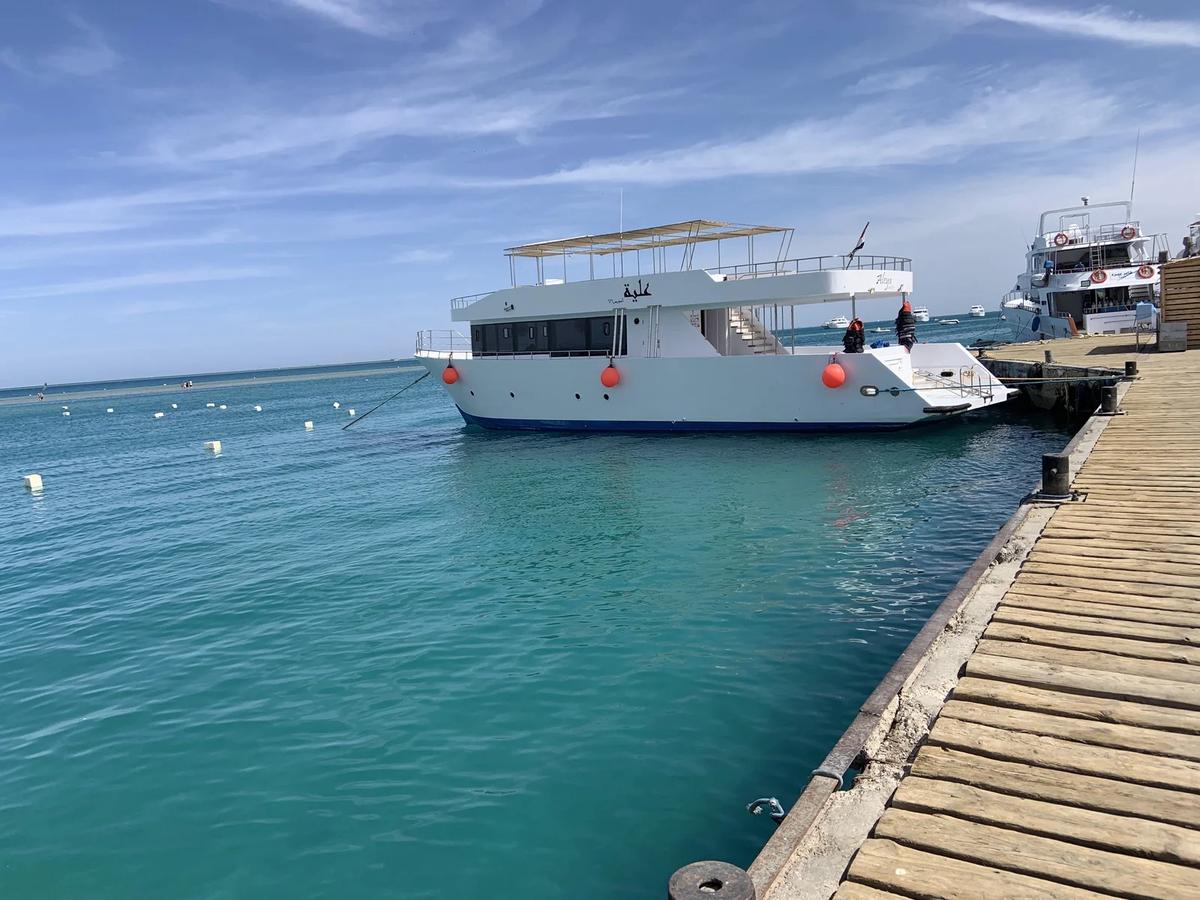
Hurghada is Egypt's most accessible Red Sea diving hub — a short flight from Europe, warm water almost year-round, and a mix of easy fringing reefs and legendary wreck sites. It is one of the best places on the planet to combine affordable training with world-class diving, from a first Egypt diving trip to advanced wreck penetration.
This guide covers the best dive spots in Hurghada: what you will see, who each site is best for, when to go, and how multi-day dive packages and courses typically work. Whether you are comparing Hurghada with Sharm El Sheikh or planning your first Nitrox course, you will find practical, up-to-date information below.
What Are the Best Dive Spots in Hurghada?
The top dive spots in Hurghada are the Giftun Islands (Police Station and Small Giftun) for easy, colorful reef diving; Abu Nuhas — the Red Sea's "ships' graveyard" — for wreck diving on the Carnatic, Giannis D and Chrisoula K; Careless Reef for drift diving and pelagics; Shaab El Erg (Dolphin House) for spinner dolphin encounters; and El Fanadir, Umm Gamar and Abu Ramada for varied reef profiles suited to every level.
The best time to dive in Hurghada is generally April through November, when water is warmest and visibility is at its best, though diving continues year-round with a thicker wetsuit in winter. Hurghada is also a common departure point for liveaboards covering the northern Red Sea, including Abu Nuhas and the Straits of Gubal.
Why Dive Hurghada
Hurghada sits on Egypt's central Red Sea coast, offering a rare combination for a single base: sheltered reef sites for beginners minutes from the marina, and some of the most famous wrecks in the world within day-trip range. It is also one of the cheapest places in the region to get certified, making it a popular choice for divers who want to learn and explore in the same trip.
- Reef diving: Giftun Islands, El Fanadir, Umm Gamar and Abu Ramada — shallow, colorful, and suitable for Open Water divers and snorkelers.
- Wreck diving: Abu Nuhas and the El Mina wreck — advanced sites for certified wreck divers, some requiring Advanced Open Water or a dedicated wreck specialty.
- Liveaboard gateway: Many northern Red Sea liveaboards depart from or pass through Hurghada, combining Abu Nuhas with Ras Mohammed and the Straits of Tiran.
9 Best Dive Spots in Hurghada (Detailed)
1. Giftun Islands (Police Station & Small Giftun)
The Giftun Islands are Hurghada's most popular reef sites, a short boat ride from the marina. Police Station is a gently sloping reef with soft corals, glassfish swarms and frequent turtle sightings — a favorite for Open Water students and relaxed fun dives. Small Giftun offers similar profiles with slightly more current and larger schools of fish along the drop-off.
Best for: All levels, including first-time divers and Open Water training.
2. Careless Reef
Careless Reef is a horseshoe-shaped reef system known for strong drift diving, dramatic drop-offs and regular sightings of barracuda, jacks and reef sharks in deeper water. Three connected reef sections give operators flexibility to match the dive to conditions and group level.
Best for: Certified divers comfortable with mild to moderate current.
3. Abu Nuhas — The Ships' Graveyard
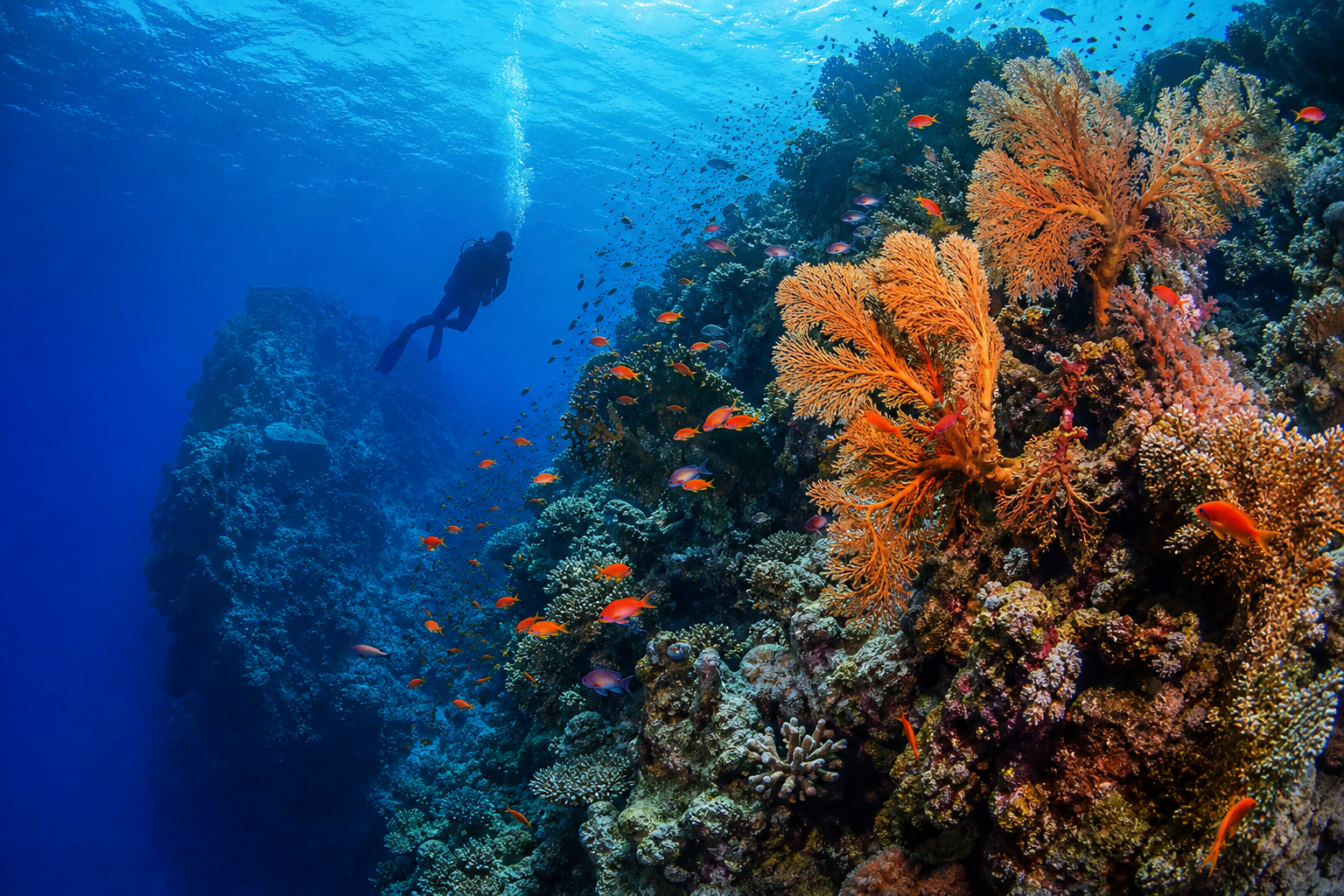
Abu Nuhas is a shallow reef plateau that has claimed numerous ships over the decades, earning its nickname as the Red Sea's ships' graveyard. Four main wrecks lie within reach of recreational divers: the Carnatic, a 19th-century steamship broken into an atmospheric wooden and iron hull; the Giannis D, a cargo wreck split into distinct sections and popular for penetration; the Chrisoula K, resting upright with an intact bow; and the lesser-visited Kimon M.
Depths generally range from around 5 to 30 meters depending on the wreck and section, with the Giannis D and Chrisoula K suited to divers with wreck experience or an Advanced Open Water certification.
Related: Wreck Diver Course · usually reached by day boat or as part of a northern Red Sea liveaboard itinerary.
4. El Fanadir
El Fanadir, near the Giftun Islands, is known for a sloping wall dotted with anemones and clownfish, plus a resident population of moray eels and lionfish along the reef crest. It is a gentle site well suited to macro photography and unhurried multi-level dives.
Best for: Beginner to intermediate divers and underwater photographers.
5. Umm Gamar
Umm Gamar ("Mother of the Moon") is a compact reef offering a bit of everything: sandy plateaus for training exercises, a small wreck section, and swim-throughs on the northern side. It is a flexible site operators often use for the second dive of the day.
6. Shaab El Erg (Dolphin House)
Known locally as Dolphin House, Shaab El Erg is a large reef system that is home to a resident pod of spinner dolphins. Sightings are never guaranteed, but this is one of the most consistent places in the Red Sea to dive or snorkel alongside them, combined with a scenic reef and sandy lagoon.
Best for: All levels; a highlight trip for divers hoping to see dolphins in the wild.
7. El Mina Wreck
The El Mina is an Egyptian minesweeper that sits largely intact, making it a popular introduction to wreck diving for divers not yet ready for the more broken-up wrecks of Abu Nuhas. Soft corals now cover much of the superstructure, and the wreck attracts glassfish and lionfish.
Related: Wreck Diver Course
8. Abu Ramada
South of the Giftun Islands, Abu Ramada — sometimes called Turtle Bay — is prized for regular green turtle sightings, table corals and a shallow lagoon that makes it a favorite for check-out dives and Discover Scuba experiences alongside more experienced divers exploring the outer reef.
9. Northern Red Sea Liveaboard Routes
For divers who want to go beyond day boats, Hurghada is a common embarkation point for northern Red Sea liveaboards covering Abu Nuhas, the Straits of Gubal, and further south toward Ras Mohammed and the Brothers Islands on longer itineraries. This makes Hurghada a useful base for both single-day reef diving and multi-day liveaboard trips without needing to fly into Sharm El Sheikh or Port Ghalib.
Hurghada Dive Spots Comparison Table
| Dive spot | Best season | Level | Highlights |
|---|---|---|---|
| Giftun Islands | Apr–Nov | All levels | Turtles, soft corals |
| Careless Reef | Apr–Nov | OW+ | Drift diving, sharks |
| Abu Nuhas | Year-round | AOW / wreck | Carnatic, Giannis D, Chrisoula K |
| El Fanadir | Year-round | Beginner+ | Macro, anemones |
| Umm Gamar | Year-round | All levels | Wreck section, swim-throughs |
| Shaab El Erg | Apr–Nov | All levels | Spinner dolphins |
| El Mina wreck | Year-round | OW–AOW | Intact minesweeper |
| Abu Ramada | Year-round | Beginner+ | Turtles, shallow lagoon |
When Is the Best Time to Dive in Hurghada?
Hurghada is diveable year-round, but conditions shift with the seasons:
- April–November: Warmest water and generally the calmest conditions, with visibility often very good — the most popular window for both reef and wreck diving.
- December–March: Cooler water and occasional windy days that can affect boat schedules to outer reefs like Abu Nuhas, but diving continues with a thicker wetsuit or drysuit.
Because conditions vary by season and site, always confirm current water temperature and exposure protection recommendations with your dive center before booking.
How to Plan Your Hurghada Diving Trip
- Multi-day dive packages: Most centers offer 3-day and 6-day diving packages covering a mix of Giftun reefs and Abu Nuhas wrecks — a practical way to see Hurghada's range without booking each dive separately. Compare packages and centers on Be Underwater.
- Get Nitrox certified: Enriched Air Nitrox extends bottom time on Hurghada's repetitive multi-dive days. See our Nitrox certification guide.
- Consider a Rescue Diver course: Hurghada's dive schools regularly run Rescue Diver courses, a strong next step after Advanced Open Water before tackling wreck or deep specialties.
- Add a Wreck Diver specialty before Abu Nuhas: The Giannis D and Chrisoula K reward divers who complete a wreck diving course beforehand, especially for any interior exploration.
- Work on buoyancy: A Peak Performance Buoyancy course pays off quickly on Hurghada's shallow reefs and inside wreck sections, reducing fin contact with coral and silt-outs on wrecks.
- Consider travel insurance: Read our guide on diving accident insurance before your trip.
FAQ: Diving in Hurghada
When is the best time to dive in Hurghada?
April through November generally offers the warmest water and calmest boat conditions, though diving continues year-round with appropriate exposure protection in the cooler winter months.
Hurghada or Sharm El Sheikh — which is better for diving?
Both offer excellent Red Sea diving. Hurghada is generally more affordable and puts you closer to the Abu Nuhas wrecks and the Giftun reefs, while Sharm El Sheikh gives easier access to Ras Mohammed and the Straits of Tiran. See our Sharm El Sheikh guide to compare.
Is Hurghada good for beginner divers?
Yes. The Giftun Islands, El Fanadir and Abu Ramada offer shallow, sheltered reefs that are ideal for Open Water training and first dives, while the Abu Nuhas wrecks give beginners a clear next goal as they gain experience.
What multi-day diving packages exist in Hurghada?
Most local dive centers offer 3-day and 6-day diving packages that combine Giftun Islands reef dives with Abu Nuhas wreck dives, and some can be extended into a northern Red Sea liveaboard. Compare current packages and prices directly with centers on Be Underwater.
Do I need a wreck diving course for Abu Nuhas?
A wreck diving course is not required for exterior dives on shallower sections, but it is recommended — and often required by operators — for any penetration of the Giannis D or Chrisoula K.
Related Diving Guides
Find Dive Centers in Hurghada
Compare dive centers in Hurghada — read reviews, check prices for packages and courses, and book your next Red Sea dive trip.
Search Hurghada Dive Trips