Best Dive Spots in Komodo: Complete Guide to the Top Underwater Sites
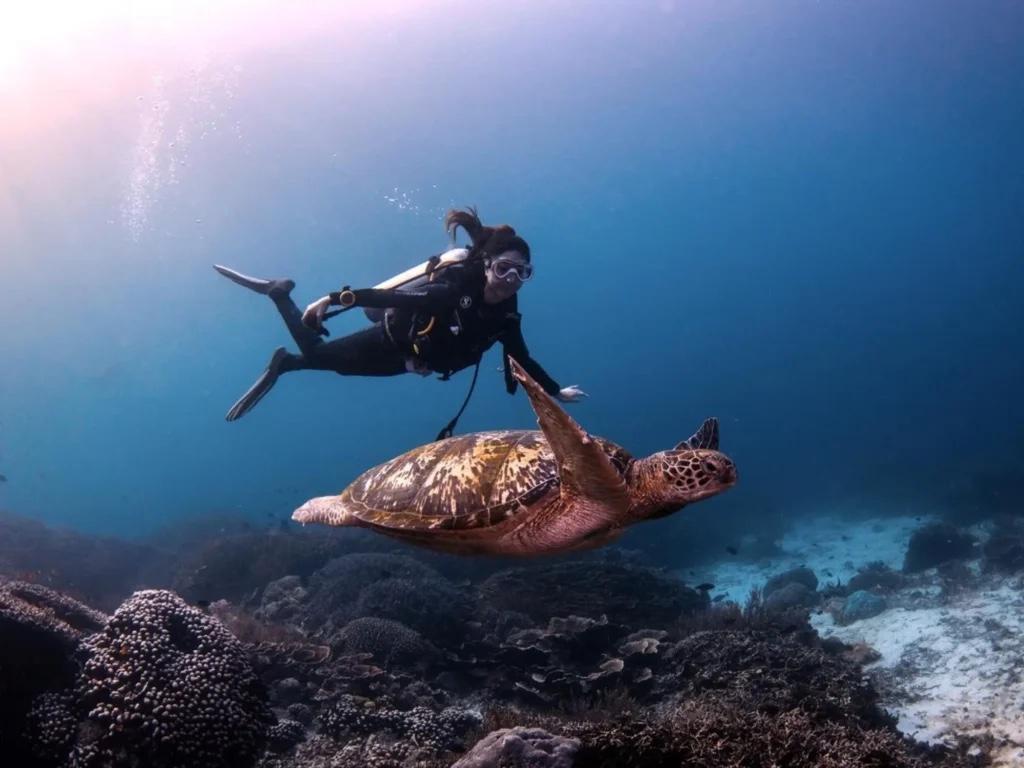
Komodo National Park, off the coast of Flores in Indonesia, is one of the most talked-about scuba diving destinations in the world — and one of the most demanding. Nutrient-rich currents sweeping between the Flores and Sumba Seas feed dense coral gardens, huge schools of fish, and reliable manta ray encounters, but they also make Komodo a true drift diving destination rather than a relaxed beginner playground.
This guide covers the best dive spots in Komodo: what you will see, who each site is best for, the difference between the north and south of the park, and whether to dive on day trips from Labuan Bajo or aboard a liveaboard. If you are searching for the best dive center in Komodo, comparing operators like Uber Scuba Komodo, Divers Paradise Komodo or Maika Komodo, or planning a divemaster internship in Indonesia, you will find practical, up-to-date information below.
What Are the Best Dive Spots in Komodo?
The top dive spots in Komodo National Park are Batu Bolong (a current-swept pinnacle covered in soft coral), Castle Rock and Crystal Rock (big schools and reef sharks), Karang Makassar / Manta Point (the park's signature manta cleaning station), Siaba Besar (turtles and an easier, beginner-friendly drift), and the southern sites Manta Alley and Cannibal Rock (cold, nutrient-rich water with exceptional macro life).
Komodo is split into a north/central area and a south area with roughly inverted seasons. The north is generally calmest and most accessible from around June to September, while the south comes into its own outside that window when southern swells ease. Because the park's currents can be strong and unpredictable, Komodo is best suited to certified divers with some current experience — though a handful of sites, like Siaba Besar, are manageable for newer divers with a good guide.
Komodo Diving at a Glance: Currents, North vs South
Komodo National Park sits in a narrows between two seas, and that geography is the whole story underwater. Tidal currents accelerate through channels between the islands, upwelling cold, plankton-rich water that feeds mantas, big fish and soft coral — but also means dive briefings here focus heavily on current direction, negative entries, drift technique and safety sausages.
- North & central Komodo (closest to Labuan Bajo): Batu Bolong, Castle Rock, Crystal Rock, Karang Makassar/Manta Point, Siaba Besar, Tatawa Besar, Mawan, The Cauldron/Shotgun. Generally best from around June to September when conditions are calmest.
- South Komodo (Manta Alley, Cannibal Rock): Colder, greener water with extraordinary macro and soft coral density. Seasons run roughly opposite the north, so operators often shift itineraries south outside the June–September window.
Reality check: conditions vary by tide, moon phase and site even within a single day — treat any season guide as a starting point and always defer to your dive center's local forecasting and briefing.
9 Best Dive Spots in Komodo National Park (Detailed)
1. Batu Bolong
A small rocky pinnacle sitting alone in open water between Komodo and Tatawa, Batu Bolong is often called Komodo's most photogenic dive — and one of its most demanding. The walls are carpeted in soft coral, sea fans and sponges from the surface down past 30 meters, with reef sharks, trevally, napoleon wrasse and dense schools of fusiliers working the current.
Because the pinnacle sits exposed to current from multiple directions, conditions can change quickly and downcurrents are a known risk here. This is a site for experienced, current-comfortable divers with an attentive guide.
Best for: Advanced divers comfortable in current. Not a training site.
2. Castle Rock
Castle Rock is a submerged seamount north of Komodo Island known for big, fast action: schooling barracuda and trevally, whitetip and grey reef sharks, and occasional passing mantas or Napoleon wrasse cruising the plateau. Divers typically hook onto the reef or hang in the blue to watch the show go by.
Quick info: Strong, often unpredictable currents. Reef-hook technique and good buoyancy control are essential.
3. Crystal Rock
Neighboring Castle Rock, Crystal Rock breaks the surface at low tide and drops into a garden of hard and soft corals bursting with reef fish. It is a favorite for photographers thanks to generally better visibility and dense schools of anthias and fusiliers over the shallow plateau, with sharks and rays often spotted in the deeper blue.
Best for: Advanced divers; often paired with Castle Rock on the same day.
4. Karang Makassar (Manta Point)
Komodo's best-known dive site, Karang Makassar — usually called Manta Point — is a shallow sandy-bottomed cleaning station where reef manta rays gather to be serviced by cleaner wrasse. Sightings are common but never guaranteed on any single dive; visiting divers often see multiple mantas circling just meters away.
5. Siaba Besar
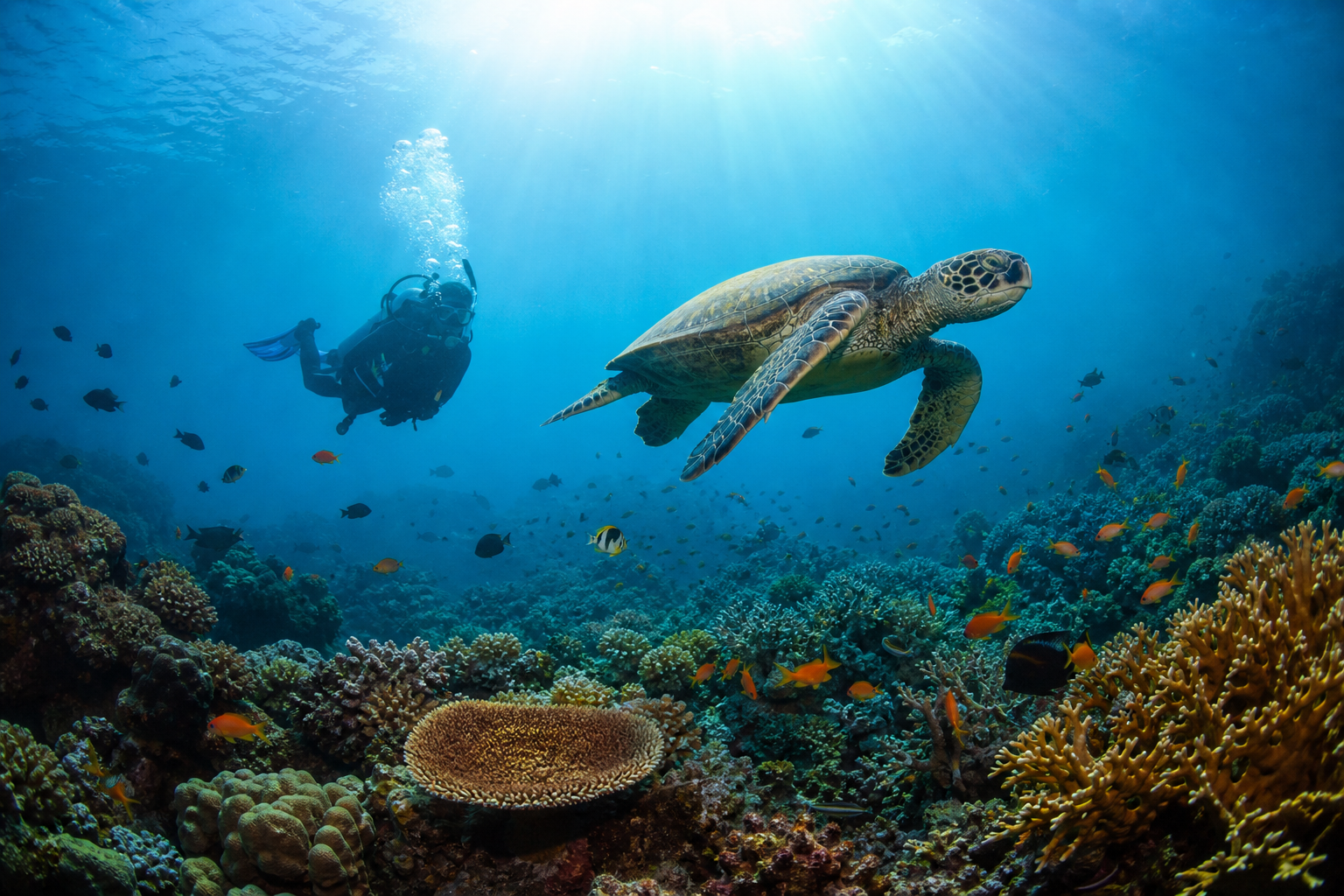
Siaba Besar is the site most operators point beginners toward. A gently sloping sand and coral bottom with generally mild current makes it one of the more relaxed drifts in the park, and it is a reliable spot for green and hawksbill turtles grazing on seagrass, along with garden eels, rays and reef fish.
Best for: Newer certified divers and anyone wanting a calmer day between more intense sites.
6. Tatawa Besar
Tatawa Besar offers a scenic drift along a sloping reef wall covered in colorful soft coral and sponges, with a good chance of sharks, turtles and large schools of fish in the current. It is frequently used as a warm-up or check dive at the start of a Komodo trip.
Tip: A good introduction to Komodo's drift-diving style before tackling Batu Bolong or Castle Rock.
7. Mawan
A small, sheltered bay near Komodo Island, Mawan is typically calmer than the park's signature current sites, with clear water, healthy hard coral and frequent turtle sightings. It works well as a lighter dive or a spot for confined skills practice on a liveaboard itinerary.
8. The Cauldron (Shotgun)
Also known as Shotgun, The Cauldron is one of Komodo's most exhilarating dives: divers ride an accelerating current through a narrow channel and over a submerged rise, sometimes reaching noticeably faster speeds as the passage funnels the flow. It demands solid buoyancy, a fully deployed surface marker and a briefing you actually listen to.
Best for: Advanced, current-experienced divers looking for an adrenaline dive.
9. Manta Alley & Cannibal Rock (South Komodo)
The park's southern sites reward the journey. Manta Alley is another reliable manta cleaning and feeding area, often with larger aggregations than the north. Cannibal Rock, near Rinca, is regularly ranked among the best muck and macro dives in Indonesia — expect cold, green, nutrient-dense water packed with frogfish, nudibranchs, crinoids and soft coral in colors rarely seen further north.
Season note: The south runs roughly opposite the north's calm window, so most divers visit these sites on multi-day liveaboards that time the itinerary around local conditions.
Komodo Dive Spots Comparison Table
| Dive spot | Best season | Level | Highlights |
|---|---|---|---|
| Batu Bolong | Jun–Sep | Advanced | Soft coral wall, sharks |
| Castle Rock | Jun–Sep | Advanced | Barracuda, reef sharks |
| Crystal Rock | Jun–Sep | Advanced | Reef fish, sharks |
| Karang Makassar (Manta Point) | Year-round* | Int–Adv | Manta cleaning station |
| Siaba Besar | Year-round* | Beginner+ | Turtles, mild drift |
| Tatawa Besar | Jun–Sep | Int–Adv | Soft coral drift |
| Mawan | Year-round* | All levels | Sheltered bay, turtles |
| The Cauldron / Shotgun | Jun–Sep | Advanced | Fast current channel |
| Manta Alley / Cannibal Rock | Oct–May* | Int–Adv | Mantas, macro |
*Manta and sheltered sites are diveable most of the year, but conditions and visibility still shift with tides and season — confirm with your operator before booking.
When Is the Best Time to Dive in Komodo?
Komodo is diveable year-round, but timing changes which part of the park makes sense:
- North & central Komodo: Generally calmest and most reliable from roughly June to September, when many liveaboards and day-trip operators concentrate their itineraries around Batu Bolong, Castle Rock and Manta Point.
- South Komodo (Manta Alley, Cannibal Rock): Seasons run largely inverted from the north, so operators typically shift south when southern swells and winds ease outside the June–September window.
Water temperature varies noticeably by site and depth — the nutrient-rich upwellings that make Komodo special can also mean surprisingly cold water, especially in the south, so a 5 mm wetsuit (or a hooded vest) is common gear even in the tropics.
Day Trips from Labuan Bajo vs Liveaboard
Most visitors dive Komodo one of two ways:
- Day trips from Labuan Bajo: A dive center or day boat covers the closer north/central sites — Batu Bolong, Castle Rock, Crystal Rock, Manta Point, Siaba Besar, Tatawa Besar — usually as two or three dives with a land return each evening. This is the flexible, budget-friendly option and works well if your time is limited.
- Liveaboard: A multi-day boat trip covers both the north and the far south (Manta Alley, Cannibal Rock), which are too far for a comfortable day trip, plus early-morning and late-afternoon slots at the best sites before or after the day-boat crowds arrive. Be Underwater lists several Komodo liveaboards if you want to compare multi-day itineraries and cabin options in one place.
How to Plan Your Komodo Diving Trip
- Come with some current experience: Many of Komodo's signature sites involve moderate to strong drift. If you are newly certified, consider an Advanced Open Water course before tackling Batu Bolong, Castle Rock or The Cauldron.
- Choose a dive center carefully: Operators in Labuan Bajo — from small local shops to well-known names like Uber Scuba Komodo, Divers Paradise Komodo and Maika Komodo — vary in group size, briefing quality and safety equipment. Compare reviews and confirmed group sizes on Be Underwater before booking.
- Pack for cold and current: A 5 mm wetsuit, a surface marker buoy you know how to deploy, and a reef hook for hooking into current at sites like Castle Rock are standard kit here.
- Decide north, south or both: If your trip is short, prioritize the north/central sites near Labuan Bajo. If you have several days, a liveaboard lets you add Manta Alley and Cannibal Rock in the south.
- Consider travel insurance: Read our guide on diving accident insurance before your trip — current-heavy destinations like Komodo make solid cover especially worthwhile.
FAQ: Diving in Komodo
What diving level do I need for Komodo?
Many of Komodo's best-known sites — Batu Bolong, Castle Rock, Crystal Rock, The Cauldron — involve moderate to strong currents and suit certified divers with some drift-diving experience, ideally Advanced Open Water. There are gentler options too: Siaba Besar and Mawan are commonly recommended for newer divers with a capable local guide.
When is the best time to dive Komodo?
The north and central park are generally calmest from around June to September. The south (Manta Alley, Cannibal Rock) runs roughly the opposite season, so it is usually best outside that window. Komodo is diveable year-round, but conditions vary by site and tide.
Should I book day trips or a liveaboard for Komodo?
Day trips from Labuan Bajo cover the closer north/central sites and suit shorter visits or tighter budgets. A liveaboard adds access to the far southern sites like Manta Alley and Cannibal Rock, plus early and late slots at popular sites before the day-boat crowds. Be Underwater lists Komodo liveaboards if you want to compare multi-day itineraries directly.
Can I see manta rays in Komodo all year?
Reef manta rays are resident in Komodo and can be seen at cleaning stations like Karang Makassar (Manta Point) and Manta Alley across much of the year, though sightings on any single dive are never guaranteed and can vary with season, tide and site conditions.
Related Diving Guides
Find Dive Centers in Komodo
Compare dive centers and liveaboards in Labuan Bajo — read reviews, check prices and book your next Komodo dive trip.
Search Komodo Dive Trips