Best Dive Spots in Bali: Complete Guide to the Top Underwater Sites
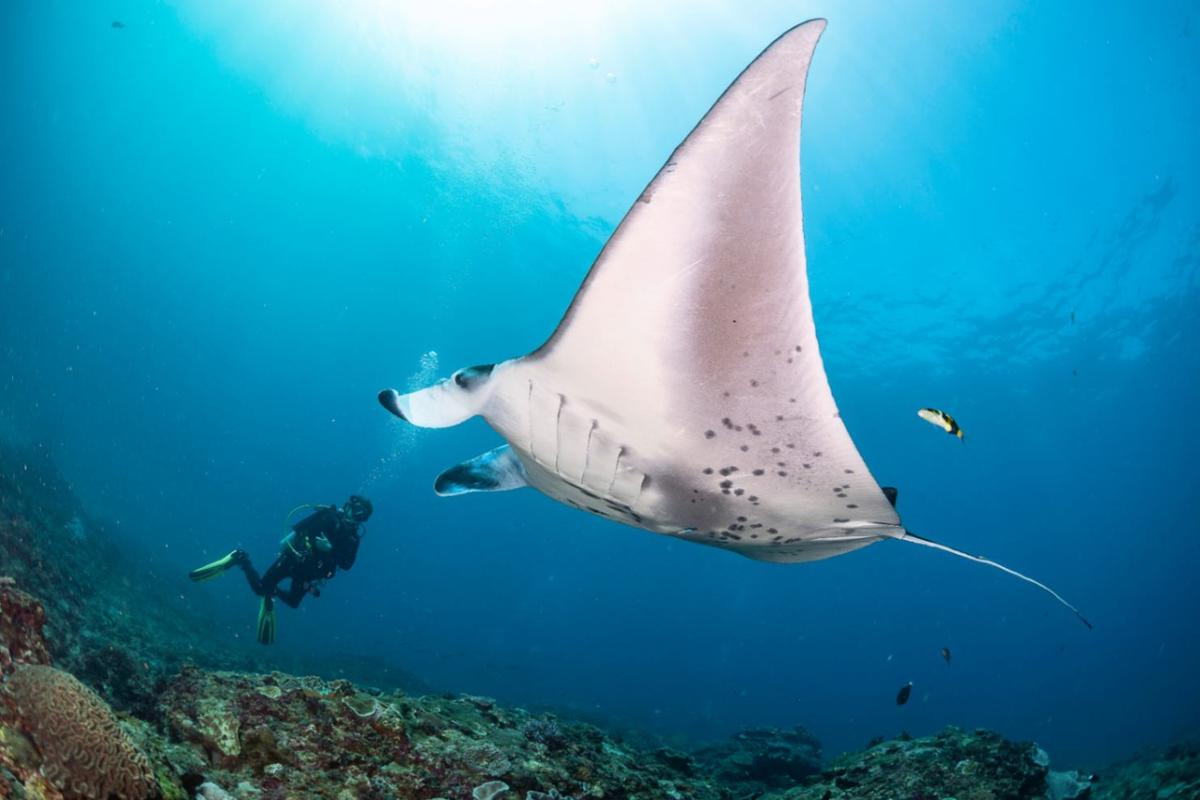
Bali is one of the most complete scuba diving destinations in the world — not because any single site is the best on Earth, but because nowhere else fits so much variety into such a small area. A shallow shore wreck, a manta cleaning station, an open-ocean mola mola encounter, and muck diving with the strangest critters in the sea are all within a two-hour drive of each other.
This guide covers the best dive spots in Bali region by region: what you will see, who each site suits, and how to plan a trip around them. Whether you are training for your first Open Water course in Bali, chasing mola mola at Crystal Bay, or drifting with mantas off Nusa Penida, you will find practical, current information below.
What Are the Best Dive Spots in Bali?
The top dive spots in Bali are the USAT Liberty wreck at Tulamben, one of the most accessible shipwreck dives in the world; Manta Point and Crystal Bay off Nusa Penida for manta rays and (in season) mola mola sunfish; Amed for easy shore diving and a Japanese wreck; Menjangan Island for a calm, current-free wall; and Seraya Secrets and Puri Jati for muck diving and rare macro life.
Diving Bali is possible year-round, with the calmest seas and best overall visibility from April to November (the dry season). Mola mola season around Nusa Penida typically runs July through October, when cold upwellings bring the sunfish into shallower water.
Bali Diving Regions at a Glance
Bali diving splits into a handful of bases, each with its own character. Picking the right one — or combining two or three — shapes your whole trip:
- Tulamben (northeast): Home of the USAT Liberty wreck and Drop-Off wall. Almost all shore diving, calm and beginner-friendly, diveable year-round.
- Amed (northeast): Quiet fishing villages, black-sand shore entries, the Japanese wreck and Gili Selang currents for more advanced divers.
- Nusa Penida & Nusa Lembongan (southeast, by boat from Sanur): Manta Point, Crystal Bay, and strong drift dives. Best April–November; cooler thermoclines June–October bring mola mola.
- Candidasa (east): Base for Gili Tepekong and Blue Lagoon/Padang Bai — current-driven sites for certified divers wanting pelagic action.
- Menjangan & Puri Jati (northwest): Menjangan's walls are calm and current-free; Puri Jati is a top muck-diving black-sand site nearby.
10 Best Dive Spots in Bali (Detailed)
1. USAT Liberty Wreck, Tulamben
The USAT Liberty is Bali's single most famous dive site — and one of the most accessible wrecks anywhere. This WWII cargo ship sits just meters from the beach at Tulamben, broken across the reef slope in 5 to 30 meters of water. Snorkelers can see the top of the hull while certified divers explore encrusted cargo holds, resident bumphead parrotfish and schooling jacks.
Because entry is a simple shore walk over black volcanic pebbles, the Liberty works for everyone from new Open Water divers to underwater photographers doing repeat dives at different depths.
Best for: All levels. A must-do first or second dive in Bali; pair it with the nearby Tulamben Drop-Off wall on the same day.
2. Manta Point, Nusa Penida
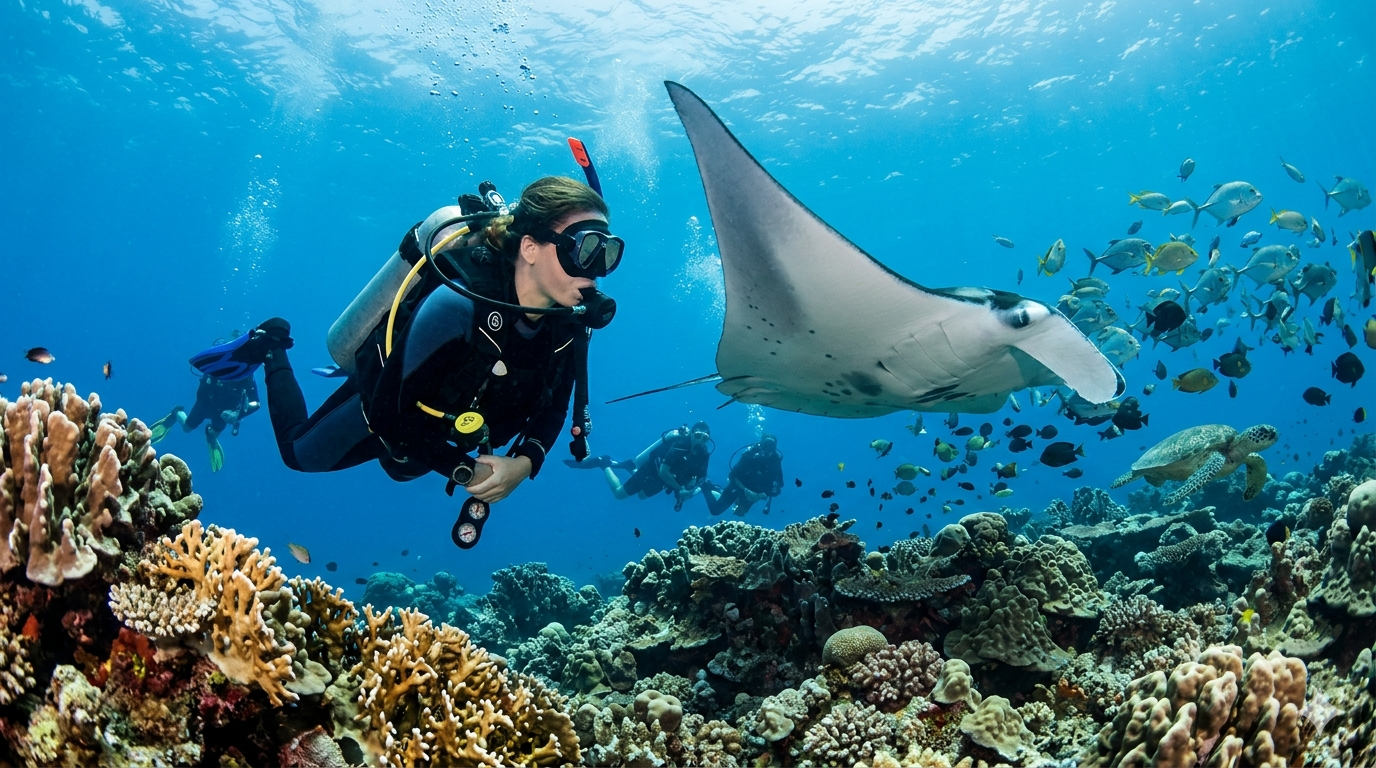
Manta Point is a shallow cleaning station off Nusa Penida where reef manta rays with wingspans up to 4 meters glide past divers, often just a few meters away. Depths are typically 5 to 15 meters, making it approachable for reasonably confident Open Water divers, though surface swell and surge can make entries choppy.
Season: Manta sightings happen year-round, with the best odds and calmest conditions April–November.
3. Crystal Bay, Nusa Penida
Crystal Bay is Bali's best-known site for encountering mola mola (ocean sunfish), which rise from deep water to shallow cleaning stations here roughly from July to October. Outside mola season, the bay still offers pretty coral and, on the right tide, playful green turtles.
Currents can be strong and unpredictable at Crystal Bay — dive with an experienced local guide who knows the day's conditions.
Best for: Open Water divers and above, ideally with drift-diving experience or a strong guide-to-diver ratio.
4. Amed
Amed is a relaxed string of fishing villages along Bali's northeast coast with excellent shore diving straight off black-sand beaches. The Japanese wreck at Banyuning sits shallow and calm, while the reef slopes nearby are full of soft coral and reef fish — good territory for a first Open Water course.
Related: Open Water Course in Bali
5. Menjangan Island
Inside West Bali National Park, Menjangan Island is prized for calm, virtually current-free walls dropping from shallow reef flats into deep blue water. Visibility is often excellent, and the vertical drop-offs are covered in gorgonian fans, sponges and reef fish.
Best for: Beginners and underwater photographers who want easy conditions with dramatic scenery. A longer drive from South Bali, so most divers combine it with Puri Jati.
6. Blue Lagoon & Padang Bai
Blue Lagoon, near the Padang Bai ferry port, is a sheltered bay with easy coral gardens — a favorite for try dives and Open Water training. Just offshore, Padang Bai's deeper reefs and the nearby Blue Lagoon wall attract reef sharks, and the crossing towards the Lombok Strait occasionally brings sunfish and pelagics into range for more experienced divers.
7. Gili Tepekong, Candidasa
Gili Tepekong is one of Bali's most demanding — and rewarding — dive sites. Strong currents, thermoclines and the site's famous "Canyon" formation draw larger pelagics, including occasional oceanic sunfish and reef sharks. Downcurrents are a real risk here, so this is a site for experienced, current-comfortable divers with a knowledgeable guide.
Best for: Advanced Open Water divers and above. Not a training site.
8. Seraya Secrets, Tulamben
A short boat ride from Tulamben, Seraya Secrets is Bali's premier muck-diving site. The black-sand slope hides frogfish, ghost pipefish, seahorses, mimic octopus and dozens of nudibranch species — a magnet for macro photographers willing to move slowly and look closely.
9. Nusa Penida Drift Dives
Beyond Manta Point and Crystal Bay, Nusa Penida's coastline offers a series of exhilarating drift dives — Toyapakeh, Gamat Bay and Malibu Point among them — with strong currents, healthy coral cover and frequent sightings of reef sharks, turtles and large schools of fish. Currents here can be fast and change direction quickly, so a local guide who reads the tide tables is essential.
Tip: Book with an operator based on Nusa Penida or Nusa Lembongan for shorter boat rides and more flexible timing around tides than a day trip from Sanur.
10. Puri Jati
Near Menjangan on Bali's northwest coast, Puri Jati is a second excellent muck-diving site — flat black sand hosting mandarin fish at dusk, robust ghost pipefish, and a rotating cast of unusual critters. It pairs naturally with a Menjangan day trip for divers who want both a calm wall dive and serious macro hunting in one day.
Bali Dive Spots Comparison Table
| Dive spot | Best season | Level | Highlights |
|---|---|---|---|
| USAT Liberty (Tulamben) | Year-round | All levels | WWII wreck, shore entry |
| Manta Point (Nusa Penida) | Apr–Nov | OW+ | Reef manta rays |
| Crystal Bay (Nusa Penida) | Jul–Oct | OW+ | Mola mola sunfish |
| Amed | Year-round | All levels | Japanese wreck, shore diving |
| Menjangan Island | Apr–Nov | Beginner+ | Calm walls, gorgonians |
| Blue Lagoon / Padang Bai | Year-round | All levels | Training bay, sharks |
| Gili Tepekong | Apr–Nov | AOW+ | Strong currents, pelagics |
| Seraya Secrets | Year-round | OW+ | Muck diving, macro |
| Nusa Penida drift dives | Apr–Nov | OW+ | Sharks, turtles, drift |
| Puri Jati | Year-round | OW+ | Mandarin fish, macro |
When Is the Best Time to Dive in Bali?
Bali is a year-round diving destination, but conditions and target species shift with the season:
- Dry season (April–November): Calmer seas, generally better visibility across the island, and the most reliable window for Nusa Penida boat trips.
- Mola mola season (roughly July–October): Cold upwellings push ocean sunfish into shallower water at Crystal Bay — the main reason many divers time a Bali trip to these months.
- Wet season (December–March): Diving continues at sheltered sites like Tulamben and Amed; Nusa Penida crossings can be rougher and more weather-dependent.
Water temperatures typically range from 26–29°C, though thermoclines at Nusa Penida can drop several degrees colder — a 5 mm wetsuit is a common choice there even in warm months.
How to Plan Your Bali Diving Trip
- Get certified in Bali: Tulamben and Amed are relaxed, affordable bases for an Open Water course in Bali. Compare centers on Be Underwater before you book.
- Pick a base that matches your goals: Tulamben or Amed for wrecks and shore diving; Sanur or Nusa Lembongan for easier access to Manta Point and Crystal Bay.
- Allow at least 4–5 days: One to two days for Tulamben/Amed, one to two days for Nusa Penida (weather permitting), and a spare day as a buffer for rough-sea cancellations on the Penida crossing.
- Match sites to your level: Stick to the Liberty wreck, Amed and Menjangan as a new diver; save Gili Tepekong and the stronger Nusa Penida drifts for after you are comfortable with current.
- Consider travel insurance: Read our guide on diving accident insurance before your trip.
FAQ: Diving in Bali
When is the best season to dive in Bali?
The dry season, roughly April to November, offers the calmest seas and best overall visibility. Mola mola (sunfish) season at Crystal Bay typically peaks from July to October, while manta sightings at Manta Point happen year-round.
Is Bali good for beginner divers?
Yes. The USAT Liberty wreck, Amed and Menjangan Island all offer calm, shallow conditions ideal for Open Water training and early fun dives. Save stronger-current sites like Crystal Bay and Gili Tepekong for after you gain experience.
How many days do you need to dive Bali?
A focused trip works well in 4–5 days: one to two days around Tulamben and Amed for the wreck and muck diving, one to two days for a Nusa Penida boat trip to see mantas or mola mola, and a spare day in case sea conditions cause a cancellation.
Where should I base myself: Tulamben, Sanur, or Nusa Penida?
Base in Tulamben or Amed for easy shore diving on the wreck and muck sites. Base in Sanur if you want a day-trip hub for Nusa Penida plus easy access to the rest of Bali. Staying on Nusa Penida or Nusa Lembongan itself cuts boat time and gives more flexibility around tide-dependent sites like Crystal Bay.
Related Diving Guides
Find Dive Centers in Bali
Compare PADI and SSI dive centers in Tulamben, Amed, Sanur and Nusa Penida — read reviews, check prices and book your next course or fun dive.
Search Bali Dive Trips