Best Dive Spots in Thailand: Complete Guide to the Top Underwater Sites
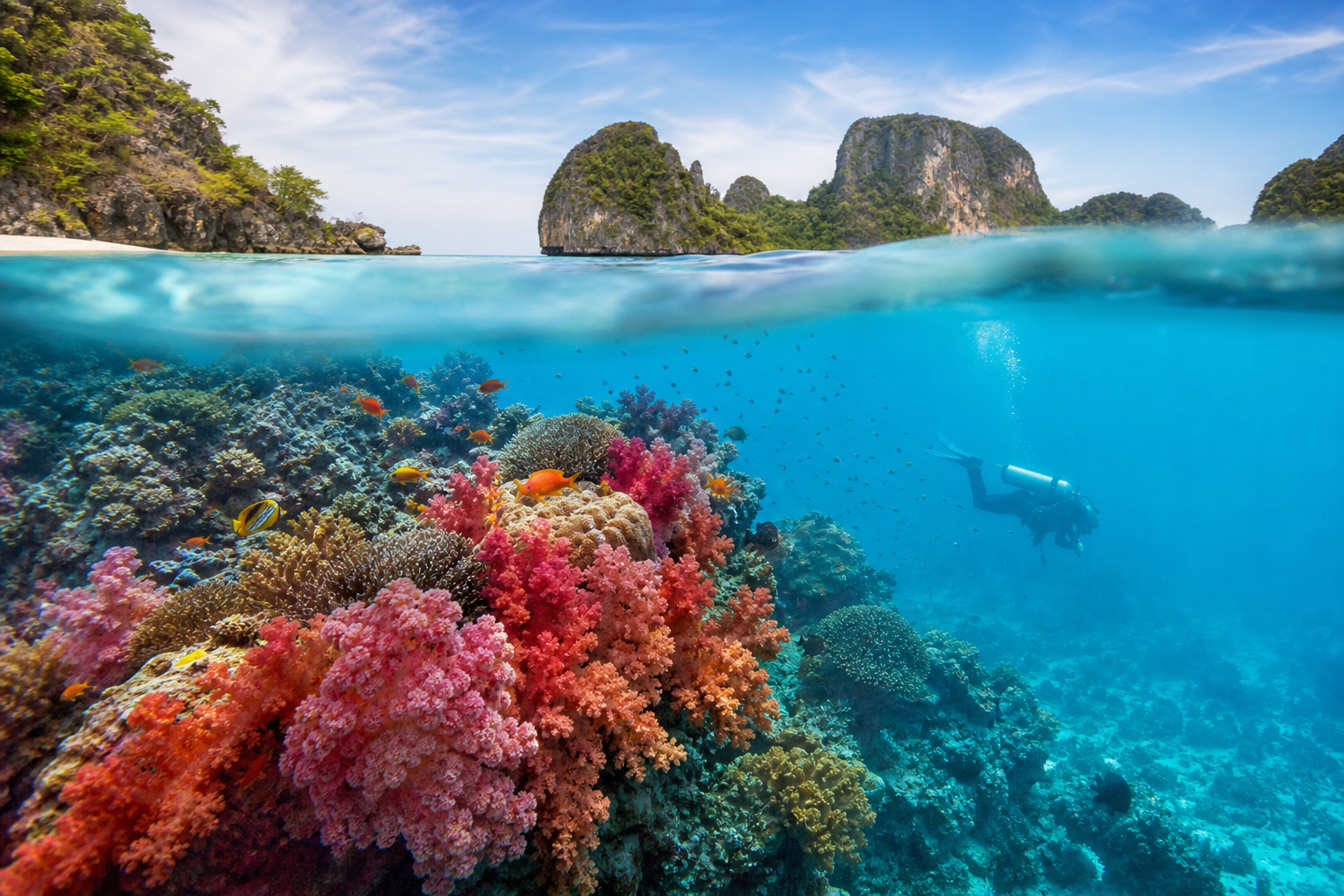
Thailand is one of the most popular scuba diving destinations on the planet — and for good reason. Warm tropical water, affordable courses, limestone islands, whale sharks, manta rays and some of the healthiest reefs in Southeast Asia make it a bucket-list country for beginners and experienced divers alike.
This guide covers the best dive spots in Thailand by region: what you will see, who each site is best for, when to go, and how to combine islands into a single diving trip. Whether you are planning your first Open Water course in Phuket, chasing whale sharks at Richelieu Rock, or earning your certification on Koh Tao, you will find practical, up-to-date information below.
What Are the Best Dive Spots in Thailand?
The top dive spots in Thailand are the Similan & Surin Islands (including Richelieu Rock) for pelagics and pristine reefs; Koh Tao for affordable training and relaxed fun dives; Phuket & the Racha Islands for easy access and year-round diving; Koh Phi Phi & Hin Daeng/Hin Muang for dramatic walls and mantas; and Koh Lipe for uncrowded Andaman reefs near the Malaysian border.
The best time to dive Thailand's west coast (Andaman Sea) is typically November through April, when seas are calmest and visibility often exceeds 20–30 meters. The Gulf of Thailand (Koh Tao, Koh Samui) is diveable year-round, with peak conditions from March to September.
Thailand Diving Regions at a Glance
Thailand has two main diving coasts. Understanding the difference helps you pick the right base and season:
- Andaman Sea (west): Phuket, Krabi, Phi Phi, Similan, Surin, Koh Lipe. Famous for clear water, limestone pinnacles, whale sharks and liveaboard routes. Best November–April.
- Gulf of Thailand (east): Koh Tao, Koh Samui, Koh Phangan. Calm bays ideal for courses; Sail Rock is a Gulf highlight. Diveable year-round; whale shark season peaks around Chumphon Pinnacle (Koh Tao) from March–May.
12 Best Dive Spots in Thailand (Detailed)
1. Similan Islands National Park
The Similan Islands are Thailand's crown jewel for experienced divers and liveaboard enthusiasts. A chain of granite islands northwest of Phuket, the park protects shallow coral gardens and deep boulder formations where currents bring in big fish.
Signature sites include Elephant Head Rock (dramatic swim-throughs and gorgonian fans), West of Eden (soft corals and reef sharks), and Donald Duck Bay (relaxed reef dives for intermediate divers). Visibility often reaches 25–40 meters in season.
Best for: Intermediate to advanced divers on day trips from Khao Lak or multi-day liveaboards. Park is usually open mid-October through mid-May only.
2. Richelieu Rock
Often ranked among the best dive sites in the world, Richelieu Rock is a horseshoe-shaped pinnacle rising from the Andaman depths. It sits north of the Similan chain and is the top spot in Thailand for whale shark encounters — though sightings are never guaranteed, your odds here are among the highest in the country.
Macro lovers will find harlequin shrimp, ghost pipefish and nudibranchs in the shallows; open water brings barracuda schools, trevally and occasional manta rays. Depths range from about 8 to 35 meters, with mild to moderate current on many days.
Quick info: Reachable by liveaboard or long day boat from Khao Lak/Phuket. Advanced Open Water recommended for comfort in current and depth.
3. Koh Tao — Gulf of Thailand
Koh Tao issues more scuba certifications than almost anywhere on Earth. Shallow bays like Aow Leuk, Japanese Gardens and Mango Bay offer pool-like conditions for Open Water students, while sites such as Chumphon Pinnacle and Sail Rock (day trip) attract advanced divers hoping for whale sharks and schooling barracuda.
The island is also home to the HTMS Sattakut wreck — a popular wreck dive for Advanced Open Water divers. If budget and a social dive scene matter, Koh Tao is hard to beat.
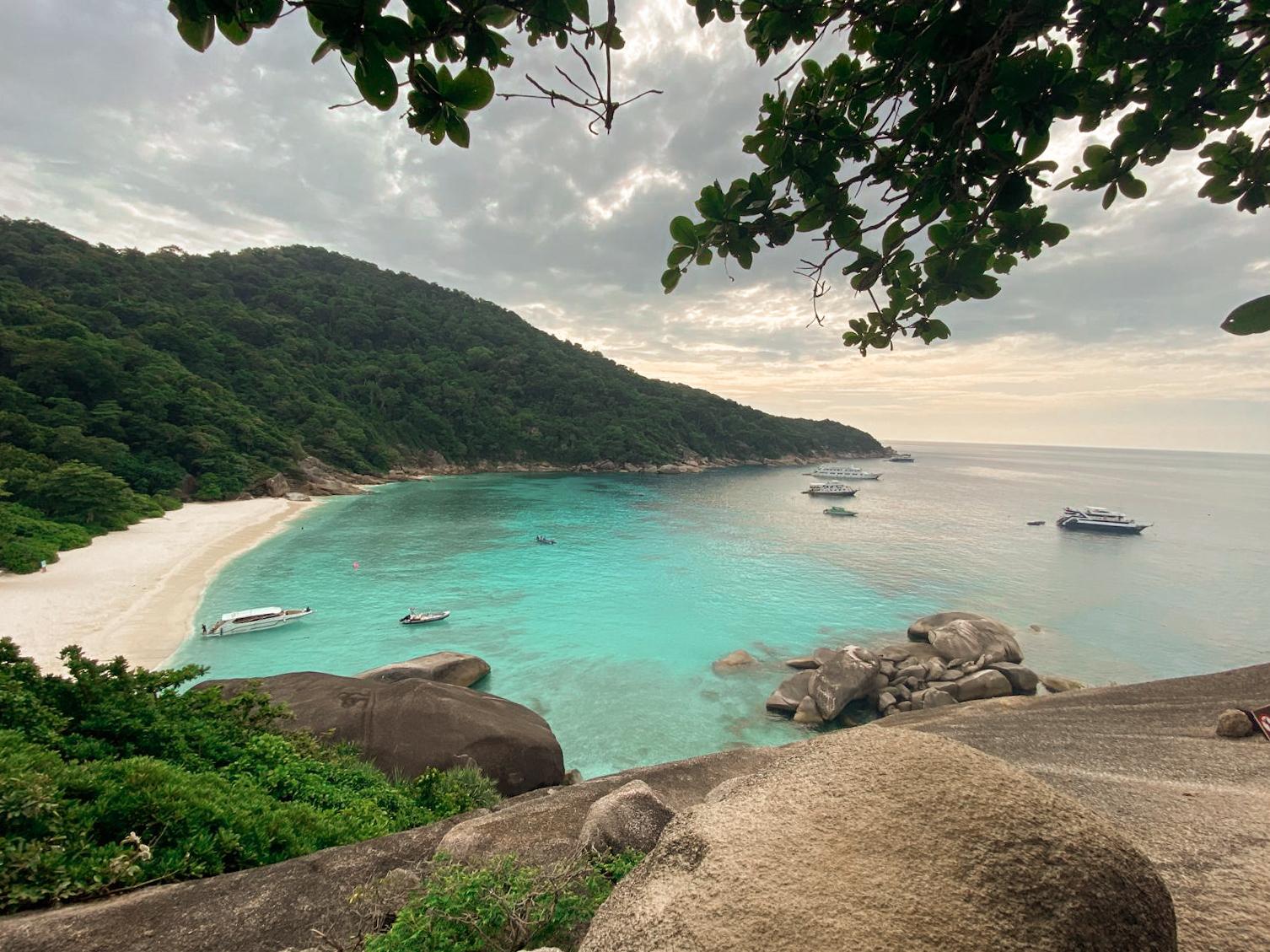
Related: Open Water Course in Koh Tao · Advanced Adventurer Koh Tao
4. Phuket & the Racha Islands
Phuket is Thailand's main diving hub for travelers who want convenience: international flights, resorts, and dozens of PADI/SSI centers running daily boats. Training sites like Racha Yai offer calm, clear water perfect for Open Water dives; Koh Doc Mai rewards divers with a vertical wall covered in soft corals and moray eels.
From Phuket you can also reach the Similan Islands, Phi Phi, and King Cruiser wreck on longer day trips. Water temperature stays around 28–30°C most of the year.
Related: Open Water Course in Phuket
5. Koh Phi Phi & Hin Daeng / Hin Muang
The Phi Phi Islands combine iconic scenery above water with solid reef diving below. Bida Nok and Bida Nai are famous for leopard sharks, turtles and dense fish life. Advanced divers often add Hin Daeng and Hin Muang — twin pinnacles south of Phi Phi known for steep walls, red soft corals and seasonal manta ray visits.
Best for: Divers based in Phuket or Krabi with at least Open Water; Hin Daeng/Hin Muang suit Advanced Open Water due to depth and current.
6. Koh Lipe — Tarutao National Marine Park
Near Thailand's southern border with Malaysia, Koh Lipe offers a more laid-back alternative to Phuket. Sites like 8 Mile Rock, Yong Hua Shipwreck and the reefs around Koh Adang feature healthy hard corals, reef sharks and excellent macro. The island vibe is quieter than Phi Phi, with strong appeal for underwater photographers.
Season: November–April mirrors the Andaman high season; some operators run into May.
7. Surin Islands
North of the Similans, the Surin Islands are less crowded but equally stunning. Surin Reef and Rocky Bay deliver pristine hard coral and excellent visibility. The area is also culturally significant as home to the Moken sea nomad communities — respect local guidelines when visiting.
Tip: Often combined with Richelieu Rock on liveaboard itineraries from Khao Lak.
8. Sail Rock (Gulf of Thailand)
Sail Rock is a submerged granite pinnacle between Koh Phangan and Koh Tao, famous for a vertical chimney swim-through and schooling chevron barracuda, trevally and jacks. Whale sharks occasionally pass through. Most divers visit on a day boat from Koh Tao or Koh Phangan.
Best for: Certified divers comfortable with mild current; not a training site.
9. Krabi & Ao Nang
Krabi is an excellent base for divers who want limestone cliffs on land and diverse sites at sea. Local favorites include Koh Haa (lagoon and caves), King Cruiser Wreck (advanced, often with current), and Shark Point (leopard sharks and soft corals). Day trips to Phi Phi and Hin Daeng are easy to arrange.
10. Koh Chang — Eastern Gulf
Koh Chang is Thailand's third-largest island and a solid choice for divers who want reefs without the Similan crowds. Sites like Hin Luk Bat and HTMS Chang wreck (one of the largest wrecks in Thailand) attract intermediate and advanced divers. Visibility is generally lower than the Andaman but marine life is plentiful and dive packages are affordable.
Season: October–May is most reliable; monsoon months can limit boat departures.
11. Koh Samui & Koh Phangan
Koh Samui is better known for resorts than world-class reefs, but it works well for travelers combining a beach holiday with certification or Sail Rock day trips. Koh Phangan has a growing dive scene and is the usual departure point for Sail Rock when not diving from Koh Tao.
12. Ang Thong Marine Park (Koh Samui area)
While famous for kayaking and viewpoints, parts of Ang Thong National Marine Park offer sheltered reef dives with reasonable visibility. It is a pleasant add-on for certified divers staying on Samui who want a change from the standard Gulf itinerary — not a substitute for Similan or Richelieu, but worth a day if you are already in the area.
Thailand Dive Spots Comparison Table
| Dive spot | Best season | Level | Highlights |
|---|---|---|---|
| Similan Islands | Nov–Apr | Int–Adv | Reef sharks, clear reefs |
| Richelieu Rock | Feb–Apr | Int–Adv | Whale sharks, macro |
| Koh Tao | Year-round | All levels | Courses, whale sharks |
| Phuket / Racha | Year-round | Beginner+ | Training, walls |
| Phi Phi / Hin Daeng | Nov–Apr | OW–AOW | Mantas, leopard sharks |
| Koh Lipe | Nov–Apr | All levels | Reefs, wrecks, macro |
| Sail Rock | Mar–Sep | OW+ | Barracuda, chimney |
| Koh Chang | Oct–May | OW–AOW | HTMS Chang wreck |
When Is the Best Time to Dive in Thailand?
Timing depends on which coast you choose:
- Andaman Sea (Phuket, Krabi, Similan, Lipe): High season November–April — calm seas, best visibility, liveaboards to Similan/Richelieu. May–October is monsoon on the west coast; many Similan operators close.
- Gulf of Thailand (Koh Tao, Samui): Diving year-round. March–September is often preferred for calmer weather on the Gulf; whale shark season around Koh Tao peaks roughly March–May.
Water temperatures typically range from 27–30°C; a 3 mm wetsuit is enough for most divers.
How to Plan Your Thailand Diving Trip
- Get certified before you go — or on arrival: Koh Tao and Phuket are ideal for getting scuba certified. Compare centers on Be Underwater before you book.
- Book Similan liveaboards early: Spaces fill quickly for February–April. Day trips from Khao Lak work if liveaboards are sold out.
- Match sites to your level: Beginners should stick to Koh Tao, Racha Yai, and shallow Phi Phi sites; save Richelieu and Hin Daeng for after Advanced Open Water.
- Respect marine parks: Similan and Surin require park fees; follow no-touch rules and maintain buoyancy over fragile corals.
- Consider travel insurance: Read our guide on diving accident insurance before your trip.
FAQ: Diving in Thailand
Is Thailand good for beginner divers?
Yes. Koh Tao, Phuket, and Koh Lipe are among the best places in the world to learn. Shallow bays, warm water and hundreds of dive schools make Thailand ideal for Open Water courses and try dives.
Where can I see whale sharks in Thailand?
Richelieu Rock (Similan area) and Chumphon Pinnacle (Koh Tao) are the most famous sites. Sightings are seasonal and never guaranteed — plan several dives to improve your chances.
PADI or SSI in Thailand?
Both agencies are widely available and internationally recognized. Focus on instructor quality, group size, and reviews rather than the logo. See our certification agencies comparison and PADI vs SSI guide.
How much does diving cost in Thailand?
Fun dives often run 2,000–3,500 THB ($55–$100 USD) including gear; Open Water courses on Koh Tao can start around 9,000–11,000 THB. Similan liveaboards cost significantly more but include multiple days of premium diving.
Do I need a visa to dive in Thailand?
Many nationalities receive visa-free entry for tourism; rules change — check official immigration guidance before travel. Diving itself requires no special permit beyond marine park fees at protected sites.
Related Diving Guides
Find Dive Centers in Thailand
Compare PADI and SSI dive centers in Phuket, Koh Tao, Krabi and more — read reviews, check prices and book your next course or fun dive.
Search Thailand Dive Trips