Scuba Certification Agencies Compared: PADI vs SSI vs NAUI & More
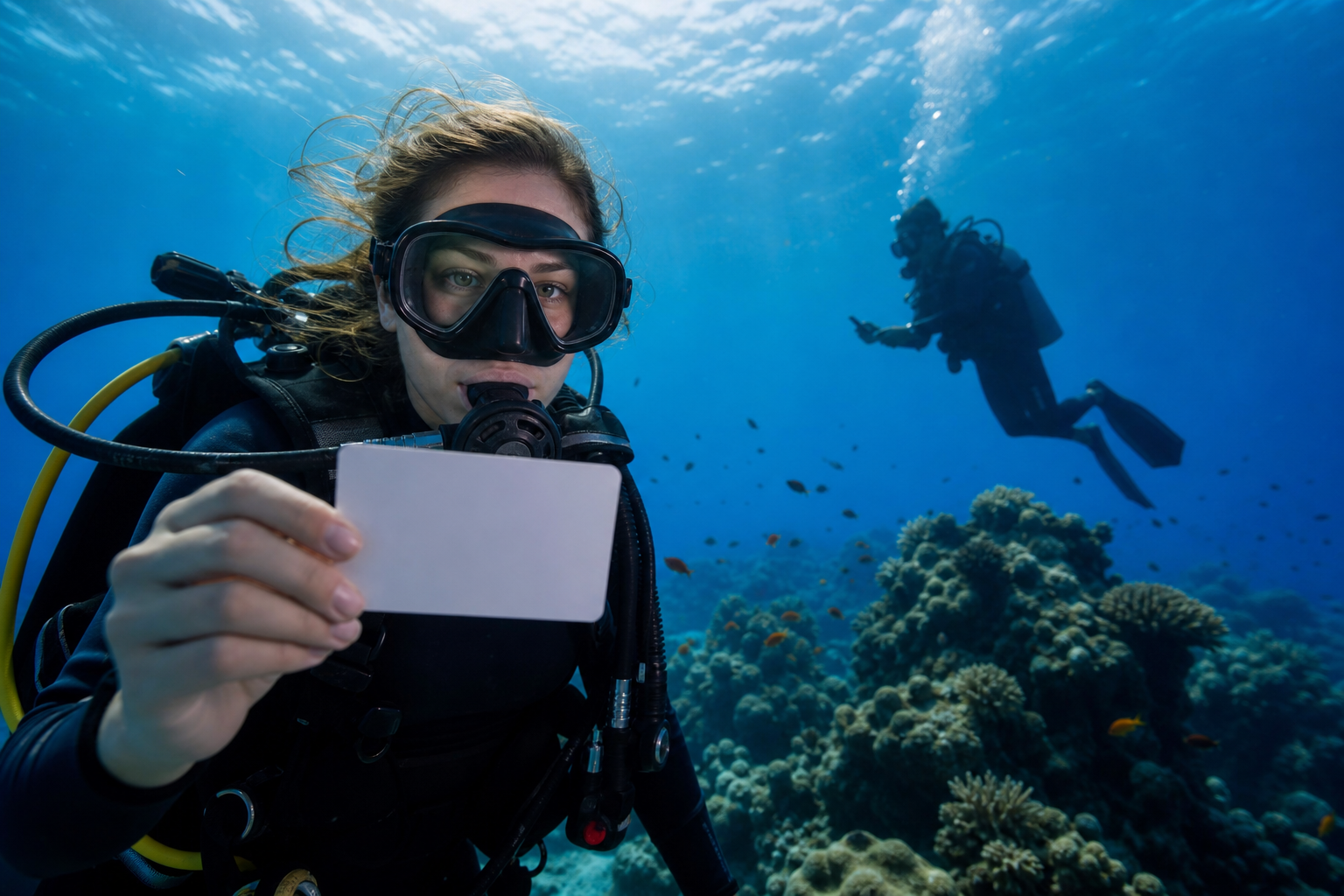
PADI, SSI, NAUI, SDI, RAID, CMAS, BSAC — the acronyms can feel overwhelming when you are starting out. The good news: all major recreational agencies train you to the same international safety standards. What differs is availability, learning style, cost structure and how each agency organizes courses.
This guide compares the main scuba certification agencies side by side so you can choose confidently. For a deep dive on the two most popular options, see our PADI vs SSI guide. For certification levels (Open Water through Divemaster), read scuba diving certification levels.
Which Scuba Certification Agency Is Best?
There is no single "best" agency. PADI has the most dive centers worldwide and is the default choice for travelers. SSI offers free digital materials and flexible instructor delivery. NAUI emphasizes instructor autonomy and non-profit values. CMAS and BSAC dominate in Europe and the UK. SDI/RAID appeal to divers who want a modern digital pathway toward technical diving.
For most recreational divers, the dive center and instructor matter more than the agency logo. Any major agency card is accepted at dive shops worldwide.
Scuba Certification Agencies: Full Comparison Table
| Agency | Founded | Global reach | Course style | Digital learning | Typical OW cost | Best for |
|---|---|---|---|---|---|---|
| PADI | 1966 | 6,600+ centers worldwide | Standardized curriculum | eLearning (paid) | $300–$600 | Global travel, maximum availability |
| SSI | 1970 | 3,000+ centers, 110+ countries | Instructor-flexible | Free MySSI app | $250–$500 | Budget learners, digital-first students |
| NAUI | 1960 | Global, strongest in Americas | Instructor autonomy | eLearning available | $300–$550 | Quality-focused, instructor-led training |
| SDI | 1998 | 2,000+ centers globally | Modern, digital-first | Included in course | $280–$520 | Tech-curious divers, SDI/TDI pathway |
| RAID | 2006 | Growing — 100+ countries | No-decompression philosophy | Free online training | $250–$480 | International travelers, modern approach |
| CMAS | 1959 | Strong in Europe & Mediterranean | Federation / star ratings | Varies by national federation | €250–€450 | European divers, club diving |
| BSAC | 1953 | UK-focused, clubs worldwide | Club-based, progressive | eLearning + club theory | £300–£500 | UK divers, strong fundamentals |
| TDI | 1994 | Global tech diving network | Technical / overhead | Digital manuals | N/A (not entry-level) | Technical & cave diving (after OW) |
Costs are approximate and vary heavily by location. An Open Water course in Koh Tao costs far less than in London or New York regardless of agency.
Main Certification Agencies Explained
1. PADI — Professional Association of Diving Instructors
PADI is the world's largest recreational diving organization with over 29 million certifications issued. Its standardized curriculum means a PADI Open Water course in Thailand follows the same structure as one in the Caribbean — predictable for travelers who move between dive destinations.
Best for: International travelers, maximum dive center choice. PADI Open Water course guide
2. SSI — Scuba Schools International
SSI operates in 110+ countries with a reputation for free digital training materials via the MySSI app. Instructors have more flexibility to adapt lessons to local conditions and student pace, while still meeting the same core skill requirements as PADI.
Best for: Budget-conscious learners and digital-first students. Popular in Southeast Asia alongside PADI.
3. NAUI — National Association of Underwater Instructors
Founded in 1960, NAUI is one of the oldest US-based agencies and operates as a non-profit. NAUI gives instructors significant autonomy over how courses are delivered, which appeals to divers who want a more personalized, instructor-led experience rather than a rigid script.
Best for: Divers who prioritize instructor quality over brand recognition. Strong in the Americas.
4. SDI — Scuba Diving International
SDI (sister agency to technical diving leader TDI) takes a modern, digital-first approach to recreational training. Courses emphasize practical in-water skills with streamlined theory. SDI is a natural pathway for divers who eventually want technical or overhead-environment training through TDI.
Best for: Divers planning a recreational-to-technical progression.
5. RAID — Rebreather Association of International Divers
RAID is a newer international agency (founded 2006) growing quickly in Asia, Europe and the Middle East. It offers free online training for all levels and emphasizes a no-decompression philosophy for recreational diving. RAID centers are less common than PADI/SSI but increasing.
Best for: International travelers in regions with RAID-affiliated centers.
6. CMAS — World Underwater Federation
CMAS (Confédération Mondiale des Activités Subaquatiques) is the international umbrella for national diving federations, especially in Europe. Certifications use a star system (One Star ≈ Open Water, Two Star ≈ Advanced). CMAS is ideal if you plan to dive primarily in Mediterranean or European club environments.
Best for: European divers, club-based diving in France, Italy, Spain and Germany.
7. BSAC — British Sub-Aqua Club
BSAC is the UK's national governing body for scuba diving, known for thorough training and strong emphasis on rescue skills early in the curriculum. BSAC courses are often delivered through local dive clubs rather than commercial centers, creating a community-focused learning environment.
Best for: UK-based divers who want club diving and solid fundamentals. Open Water in the UK
8. TDI — Technical Diving International
TDI is not an entry-level recreational agency — it specializes in technical diving (decompression, trimix, cave, wreck penetration). Most divers earn a PADI/SSI/NAUI Open Water first, then move to TDI for advanced technical training. TDI and SDI share the same parent organization.
Best for: Advanced divers only — after recreational certification. Deep certification guide
Entry-Level Certification Names by Agency
| Agency | Beginner cert name | Max depth | Typical duration |
|---|---|---|---|
| PADI | Open Water Diver | 18 m / 60 ft | 3–4 days |
| SSI | Open Water Diver | 18 m / 60 ft | 3–4 days |
| NAUI | Scuba Diver / Open Water | 18 m / 60 ft | 3–5 days |
| SDI | Open Water Scuba Diver | 18 m / 60 ft | 3–4 days |
| RAID | Open Water 20 | 20 m / 66 ft | 3–4 days |
| CMAS | One Star Diver | 20 m / 66 ft | 4–6 days |
| BSAC | Ocean Diver | 20 m / 66 ft | 4–8 weeks (club) |
Which Agency Should You Choose?
- Traveling globally? Choose PADI or SSI — you will find centers everywhere from Thailand to Mexico.
- Budget-focused? SSI or RAID — free digital materials reduce upfront costs.
- Diving in Europe? CMAS or local federation certifications integrate well with Mediterranean dive clubs.
- Based in the UK? BSAC offers excellent club-based training and community.
- Planning technical diving? Start with PADI/SSI/NAUI Open Water, then progress through SDI/TDI for decompression and overhead training.
- Still unsure? Pick the dive center with the best reviews and instructors — not the logo.
FAQ: Scuba Certification Agencies
Is PADI better than SSI or NAUI?
No agency is objectively better. All meet similar ISO recreational diving standards. PADI has the widest availability; SSI often costs less; NAUI gives instructors more freedom. Your card works at any dive shop.
Can I switch agencies after Open Water?
Yes. SSI Open Water divers can take PADI Advanced courses and vice versa. Professional crossovers exist for Divemaster and Instructor levels.
Are CMAS and BSAC recognized internationally?
Yes. CMAS star ratings and BSAC qualifications are accepted at dive centers worldwide, though you may find fewer BSAC-specific centers outside the UK.
What is the difference between SDI and TDI?
SDI covers recreational diving (Open Water through Divemaster). TDI covers technical diving — decompression, trimix, cave and wreck penetration. They share the same parent company.
Does the agency affect insurance or employment?
For recreational diving and travel, no. For professional work, PADI has the most job listings globally, but SSI, NAUI and SDI professionals are employed worldwide. Read our diving insurance guide.
Related Guides
Compare Dive Courses on Be Underwater
PADI, SSI or NAUI — find the best Open Water course near you. Compare dive centers, read reviews and book securely.
Search Open Water Courses