Best Dive Spots in Mexico: 10 Sites + Prices (2026)
The best dive spots in Mexico are Cozumel's coral walls, Playa del Carmen (bull sharks November to March), the Dos Ojos and Angelita cenotes, Cabo Pulmo, La Paz sea lions and the Socorro Islands. The Caribbean coast is best December to April; the Pacific peaks June to November. Open Water from about $456 in Playa del Carmen on Be Underwater.
Last updated: October 2026
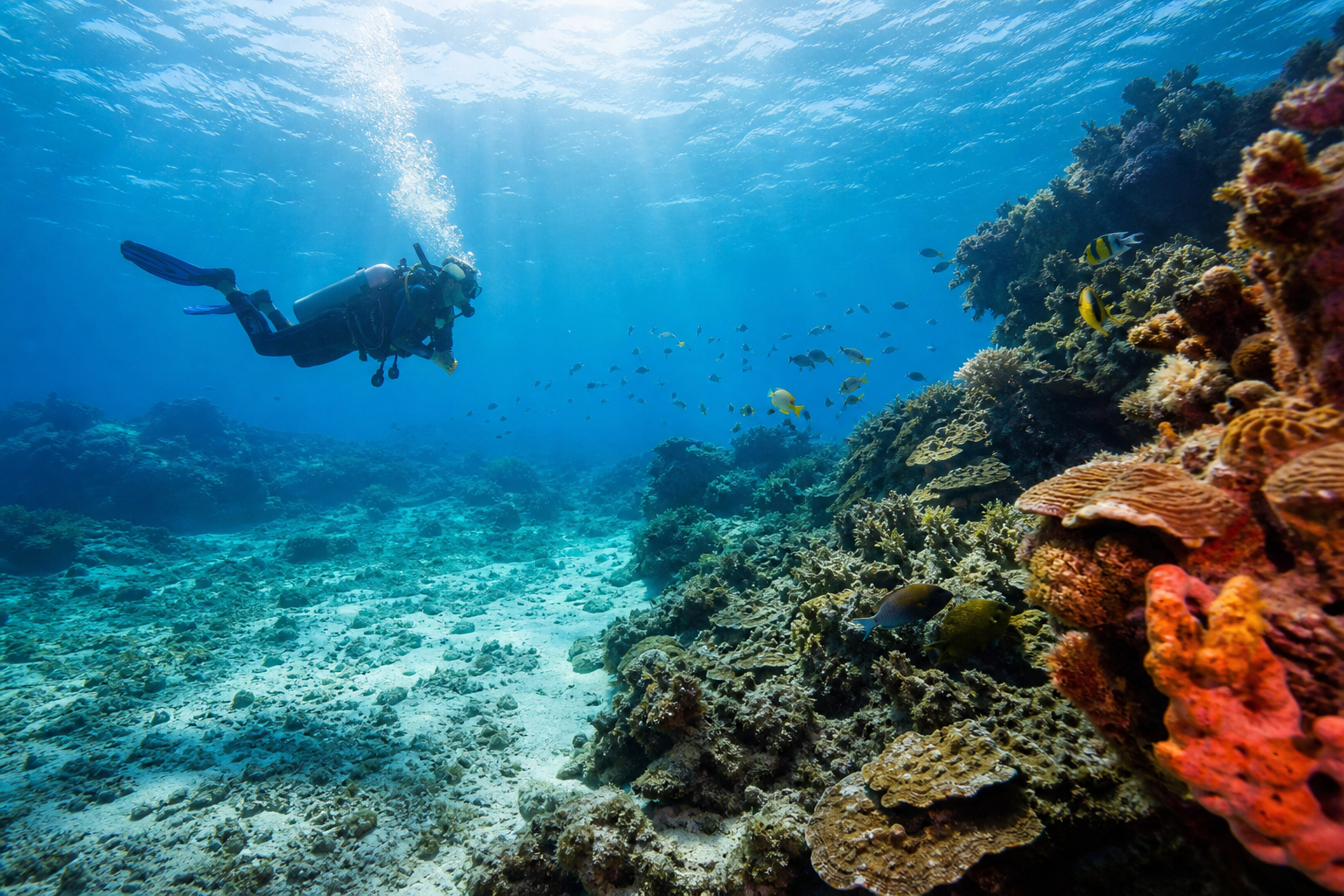
Mexico is one of the most diverse scuba destinations in the world. In a single trip you can drift Cozumel's coral walls, dive with sea lions in La Paz, and explore freshwater cenotes near Tulum. It's also one of the easiest countries for North American and European travelers to reach year-round.
This guide covers the best dive spots in Mexico across the Caribbean and Pacific coasts: what you will see, who each site is best for, when to go, and how to plan a multi-stop itinerary. Whether you want a beginner-friendly certification in the Riviera Maya or a pelagic liveaboard to Socorro, you will find practical, up-to-date tips below.
What Are the 10 Best Dive Spots in Mexico?
The 10 best dive spots in Mexico are Cozumel (Palancar & Santa Rosa walls), Playa del Carmen for seasonal bull sharks, Cenote Angelita, Cenote Dos Ojos, Cabo Pulmo, La Paz sea lions, Isla Mujeres whale sharks, Socorro Islands, Mahahual (Banco Chinchorro), and Huatulco.
The best time to dive Mexico's Caribbean coast is typically December through April for clear water and calm seas, while Baja and the Pacific shine from June to November for big-animal encounters like whale sharks and giant mantas.
Mexico Dive Spots at a Glance
Mexico has two diving worlds, the Caribbean and the Pacific. Prices are what centers list on Be Underwater, converted to USD, and vary by season and agency.
| Dive spot | Best months | Level | What you see | Book |
|---|---|---|---|---|
| Cozumel | Dec–Apr | OW+ | Wall drift dives | Mexico dive centers |
| Playa del Carmen | Nov–Mar | AOW | Bull sharks | Deepdivemexico |
| Cenote Angelita | Year-round | AOW | Halocline cloud | Cenote guide |
| Cenote Dos Ojos | Year-round | OW+ | Cavern light beams | Cenotes near Playa |
| Cabo Pulmo | Jun–Nov | All levels | Jack schools | Mexico dive centers |
| La Paz | Oct–Mar | OW+ | Sea lions, whale sharks | Mexico dive centers |
| Isla Mujeres | Jun–Sep | All levels | Whale sharks | Mexico dive centers |
| Socorro Islands | Nov–May | Adv | Giant mantas | Mexico dive centers |
| Mahahual | Dec–Apr | OW+ | Atoll reefs | Mexico dive centers |
| Huatulco | Nov–Apr | Beginner+ | Pacific reefs | Mexico dive centers |
See all Mexico dive centers and courses or scuba diving in Playa del Carmen.
Best Dive Spots in Mexico for Beginners
Beginners should start in the Riviera Maya (Playa del Carmen and Cozumel) or Huatulco: calm, warm water and good visibility for Open Water training dives. Cabo Pulmo suits all levels.
- Playa del Carmen: a practical base for a first course, with relaxed reef dives and quick access to Cozumel and cenotes. Deepdivemexico lists Open Water from $456 on Be Underwater.
- Huatulco: warm water, calm bays and healthy rocky reefs on the Pacific coast.
- Save for later: Cenote Angelita (about 30 meters), Socorro and Banco Chinchorro suit Advanced Open Water divers.
Prices vary by season and agency. Learn more in our scuba certification guide.
Mexico Diving Regions at a Glance
Mexico is split between two very different diving worlds. Pick your coast based on what you want to see:
- Caribbean (Riviera Maya & Yucatán): Cozumel, Playa del Carmen, Isla Mujeres, Mahahual and the cenotes near Tulum. Famous for clear water, coral walls, caves and winter bull sharks.
- Pacific & Sea of Cortez (Baja + Oaxaca): Cabo Pulmo, La Paz, Socorro and Huatulco. Known for sea lions, big schools, giant mantas and whale sharks.
10 Best Dive Spots in Mexico (Detailed)
1. Cozumel — Palancar & Santa Rosa Walls
Cozumel is Mexico's signature dive destination thanks to warm water, easy logistics and legendary wall dives. Drift along Palancar Gardens, Palancar Caves and Santa Rosa Wall to see towering sponges, turtles and eagle rays.
Most dives start around 18–24 meters and can drop far deeper, so good buoyancy is essential. Visibility often exceeds 30 meters in winter.
Best for: Open Water and above; drift dives are typical, so comfort in current helps.
2. Playa del Carmen — Bull Shark Season
From November to March, Playa del Carmen becomes one of the most reliable places in the world to see bull sharks. Dives are typically conducted at 20–25 meters on sandy bottoms with strict operator protocols.
Outside of shark season, Playa delivers relaxed reef dives and quick access to Cozumel and cenotes.
Where to book in Playa del Carmen: Deepdivemexico — Open Water from $456 on Be Underwater.
Browse all Playa del Carmen dive centers and scuba diving in Mexico.
Tip: Choose a licensed operator and follow their briefing closely — bull shark dives are for confident divers.
3. Cenote Angelita
Cenote Angelita is famous for its eerie hydrogen sulfide cloud at about 30 meters, creating the illusion of an underwater river. The descent through clear freshwater into the misty layer is one of Mexico's most photogenic dives.
Read more: Best cenotes for diving in Mexico and cenote dives near Playa del Carmen.
Best for: Advanced Open Water or deep-diving comfort due to the depth.
4. Cenote Dos Ojos
The Dos Ojos system offers crystal-clear cavern diving with skylights, stalactites and stunning blue gradients. It is one of the most accessible cenotes for certified divers, usually capped at shallow depths.
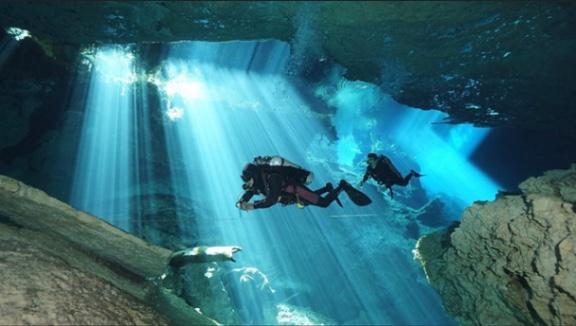
Quick info: Cavern dives are guided and follow permanent lines — no cave certification needed, but good buoyancy and a calm mindset are essential.
5. Cabo Pulmo National Park
Cabo Pulmo is a protected marine park in Baja California Sur and a conservation success story. Expect healthy hard coral, massive schools of jacks and the chance to see turtles, mobulas and even sharks.
Best for: All levels, especially divers who love macro and schooling fish.
6. La Paz — Sea Lions & Whale Sharks
La Paz is the gateway to the Sea of Cortez. The highlight is Los Islotes, a rocky islet full of playful sea lions. Late summer and fall also bring whale sharks to the bay (snorkel encounters are most common due to local regulations).
Season: Sea lions year-round; whale sharks typically October–March.
7. Isla Mujeres — Whale Sharks
Isla Mujeres is best known for summer whale shark encounters off the Yucatán coast. Most trips are snorkeling excursions, but divers often combine them with reef dives around the island.
Best time: June–September for whale sharks; reefs are diveable year-round.
8. Socorro Islands (Revillagigedo)
The Socorro Islands are Mexico's ultimate big-animal destination. Liveaboards from Cabo San Lucas reach these remote volcanic islands where giant mantas, dolphins, whale sharks and sharks are common.
Best for: Advanced divers comfortable with deep water and open-ocean conditions.
9. Mahahual & Banco Chinchorro
Mahahual is a quieter alternative to Cozumel with shallow reefs right off the beach. For advanced divers, day trips to Banco Chinchorro — Mexico's largest atoll — deliver clear water, reef sharks and historic shipwrecks.
Tip: Combine Mahahual with nearby Costa Maya ruins for a relaxed dive + culture trip.
10. Huatulco
Huatulco on Oaxaca's Pacific coast offers warm water, calm bays and healthy rocky reefs. Expect moray eels, puffer fish, rays and seasonal humpbacks offshore in winter.
Best for: Beginners and photographers seeking uncrowded Pacific sites.
When Is the Best Time to Dive in Mexico?
Mexico's seasons vary by coast:
- Caribbean coast (Cozumel, Playa, cenotes, Isla Mujeres): December–April brings the best visibility and calmer seas. Summer offers whale sharks near Isla Mujeres but can be hotter and more humid.
- Pacific & Sea of Cortez (Cabo Pulmo, La Paz, Socorro, Huatulco): June–November is peak for big animals; winter months are cooler with clearer water in some areas.
Water temperatures range from 24–29°C in most Caribbean sites and can drop to 20–24°C in Baja winter, so pack the right wetsuit.
How to Plan Your Mexico Diving Trip
- Combine coasts if you have time: Cozumel + cenotes is an easy pairing; Baja and Socorro are best tackled on a separate trip.
- Know your certification level: Cenotes and deep walls are best after Advanced Open Water.
- Book shark seasons early: Bull shark dives (Nov–Mar) and whale shark tours (Jun–Sep) can sell out fast in peak months.
- Respect marine parks: Socorro and Cabo Pulmo have strict conservation rules — follow buoyancy and wildlife distance guidelines.
- Consider insurance: Read our guide on diving accident insurance before your trip.
FAQ: Diving in Mexico
What are the best dive spots in Mexico?
The best diving in Mexico includes Cozumel's Palancar and Santa Rosa walls, Playa del Carmen (bull sharks from November to March), the cenotes Dos Ojos and Angelita near Tulum, Cabo Pulmo, La Paz sea lions, Isla Mujeres whale sharks, the Socorro Islands, Mahahual with Banco Chinchorro, and Huatulco.
When is the best time to dive in Mexico?
On the Caribbean coast (Cozumel, Playa del Carmen, cenotes) December to April gives the best visibility and calmest seas, and bull sharks are around Playa del Carmen from November to March. Whale sharks off Isla Mujeres are seen June to September. On the Pacific side and Sea of Cortez, June to November is peak for big animals.
How much does an Open Water course cost in Mexico?
A center in Playa del Carmen listed on Be Underwater, Deepdivemexico, offers an Open Water course from about $456. Prices are converted to USD and vary by season and agency.
Is Mexico good for beginner divers?
Yes. Cozumel, Huatulco and many Riviera Maya reefs offer calm, warm water and good visibility for Open Water training dives, and Cabo Pulmo suits all levels. Playa del Carmen is a practical base for a first course, with Open Water from about $456 on Be Underwater.
Do I need a special certification for cenotes?
Guided cavern dives in Dos Ojos or Angelita do not require a cave certification, but solid buoyancy and comfort in overhead environments are essential. Angelita goes to about 30 meters, so Advanced Open Water or deep-diving comfort is recommended. Your operator will assess your experience.
Related Diving Guides
Find Dive Centers in Mexico
Compare PADI and SSI dive centers in Cozumel, Playa del Carmen, La Paz and more — read reviews, check prices and book your next course or fun dive.
Search Mexico Dive TripsAlso browse scuba diving in Playa del Carmen.