10 Best Dive Spots in Tenerife: Complete Guide to the Canary Islands
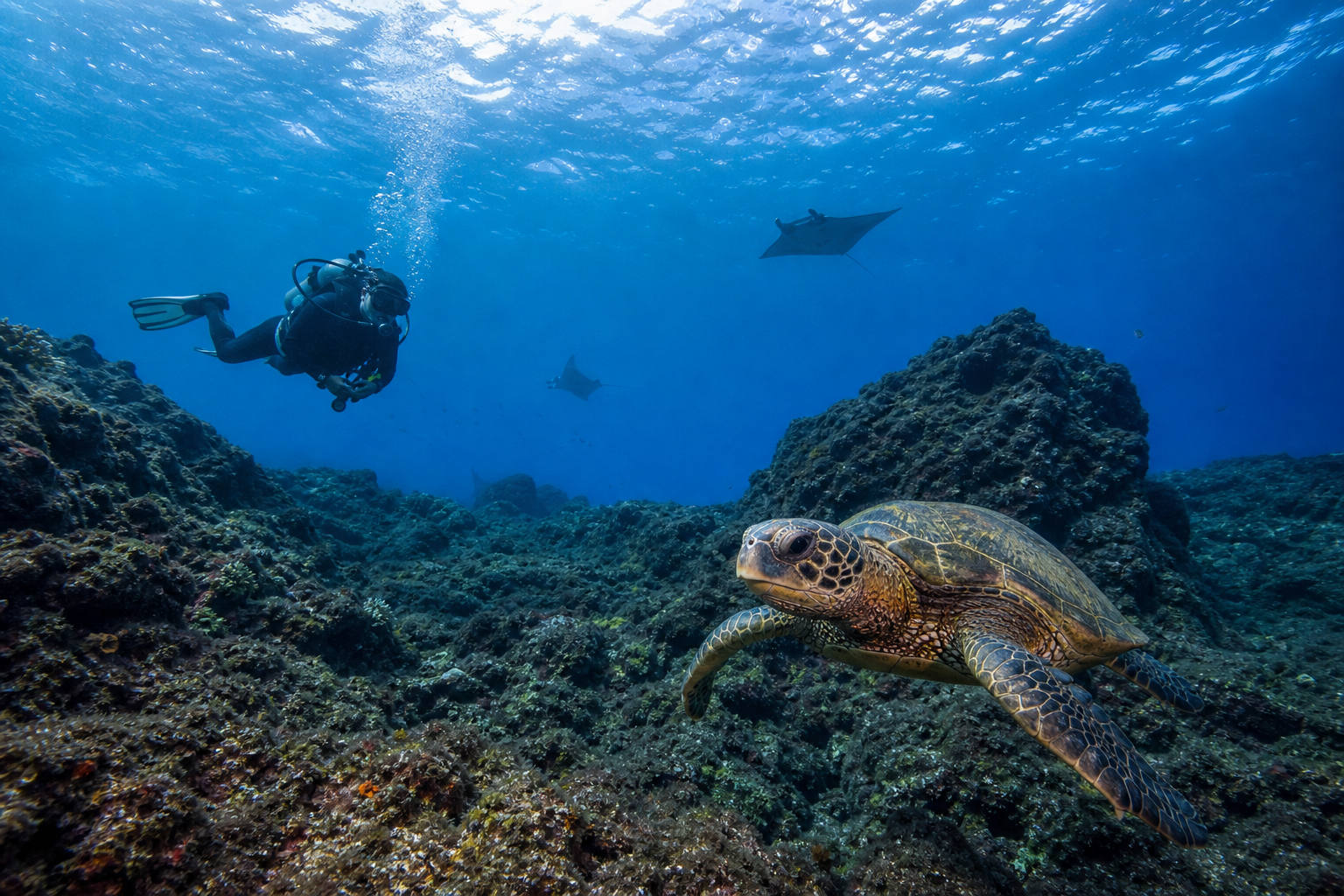
Tenerife is one of Europe's top scuba diving destinations. Year-round warm water, excellent visibility, volcanic topography and reliable encounters with turtles, stingrays and angel sharks make the island a favourite for beginners and experienced divers alike.
This guide lists the 10 best dive spots in Tenerife — from shallow shore dives to dramatic walls and wrecks. Whether you want your first Discover Scuba Diving experience or you are planning advanced fun dives, you will find the right site below.
What Are the 10 Best Dive Spots in Tenerife?
The top dive sites in Tenerife are El Puertito (sea turtles), Los Chuchos (stingrays), Tabaiba Wreck, Abades, Montaña Amarilla, Palm Mar Wall, El Condecito wreck, Radazul, Cueva Negra and Punta Rasca.
Tenerife offers year-round diving with water temperatures from about 19°C in winter to 25°C in summer and visibility often between 15 and 30 meters.
Top 10 Dive Spots in Tenerife (Detailed)
1. El Puertito
El Puertito is the most famous turtle dive in Tenerife. A sheltered bay on the south coast with sandy bottom and shallow reefs (3–12 m), it is ideal for beginners, try dives and Open Water training. Green sea turtles rest on the sand and feed on seagrass — encounters are common but never guaranteed.
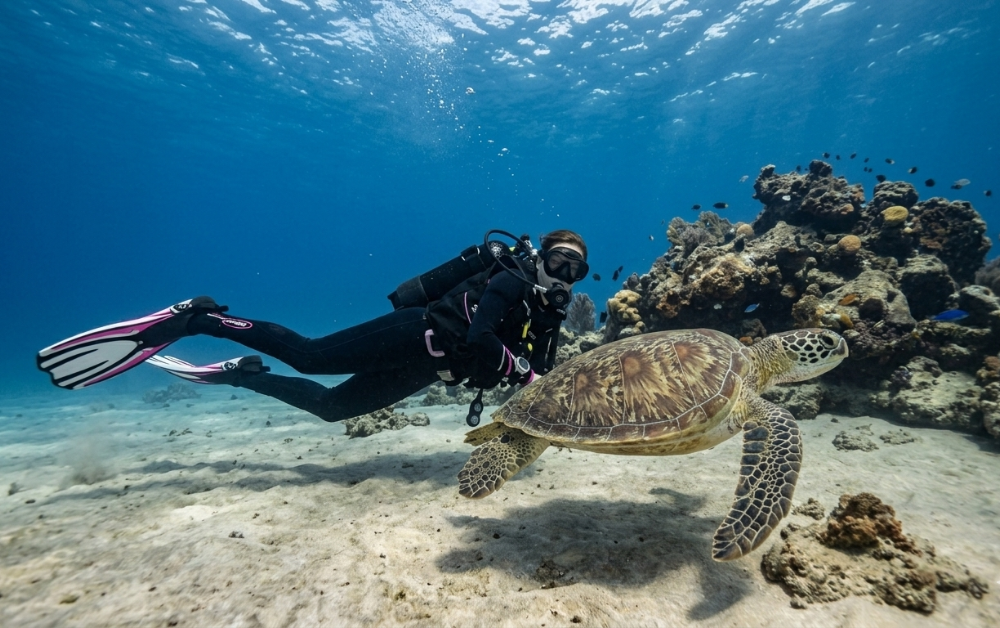
Best for: Beginners, Discover Scuba Diving, turtle lovers. Shore entry.
2. Los Chuchos
Named after the local word for stingrays, Los Chuchos delivers one of the most reliable ray encounters in the Canary Islands. Several round stingrays gather on the sandy seabed at depths of 5–15 m. Conditions are usually calm, making it excellent for newer divers after a few training dives.
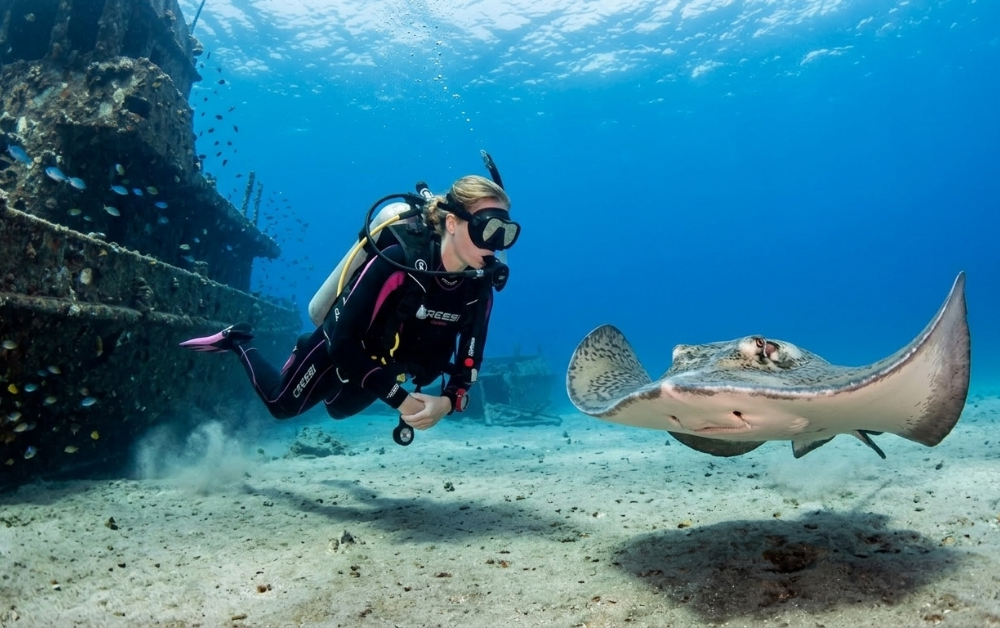
Best for: Beginner to intermediate. Do not touch or chase rays.
3. Tabaiba Wreck
The Tabaiba is an artificial reef created by sinking a small tugboat near the village of Tabaiba. Sitting at roughly 18–30 m, it attracts schools of trumpetfish, wrasse, morays and nudibranchs. One of the island's signature wreck dives and a must for photographers.
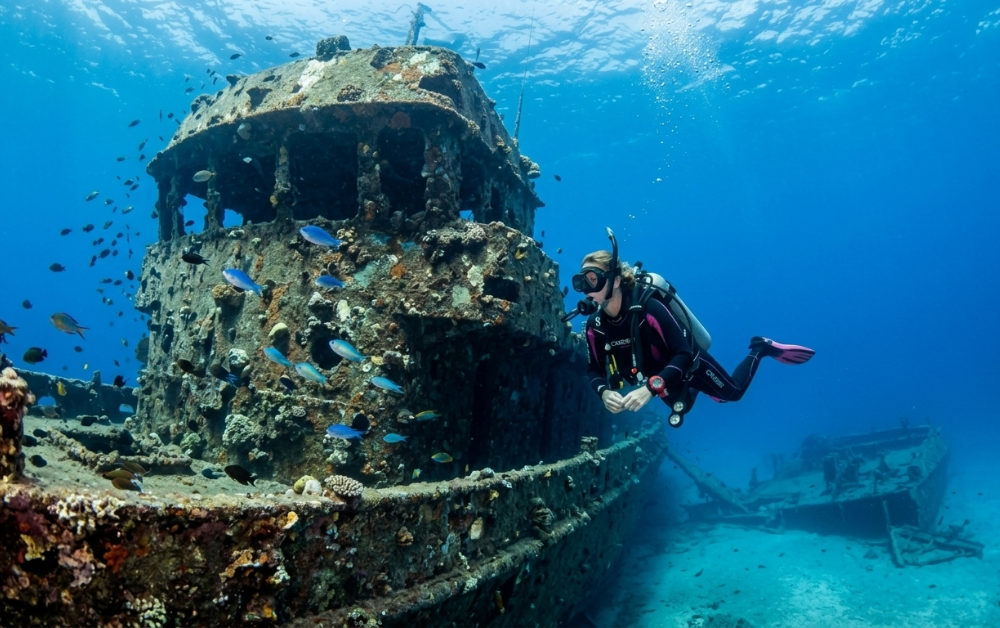
Best for: Advanced Open Water and wreck enthusiasts. Shore or short boat entry.
4. Abades
On the east coast, Abades offers a protected bay with shallow reef and minimal current — dive centres use it heavily for courses and confined-water skills. Colourful parrotfish, octopus and cuttlefish live among volcanic rock. Perfect when the south coast is windy.
Best for: Training, first open water dives, nervous beginners.
5. Montaña Amarilla
Montaña Amarilla (Yellow Mountain) features dramatic volcanic arches, swim-throughs and lava formations at 5–18 m. The site sits near Costa del Silencio and rewards divers who enjoy topography over big pelagics. Angel sharks sometimes appear in winter months.
Best for: Intermediate divers comfortable with mild surge.
6. Palm Mar Wall
Palm Mar Wall is a boat dive along a vertical drop-off where barracuda, rays and large schools of fish patrol the blue. Dolphins are occasionally spotted from the boat. Depths range from about 12 to 30+ m along the wall.
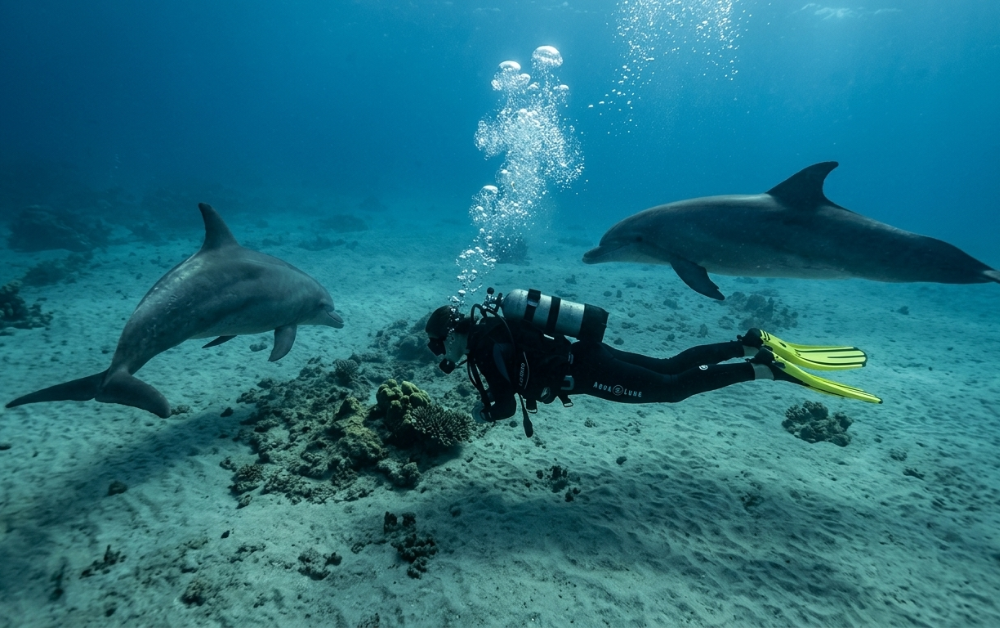
Best for: Certified divers after a few easy shore dives. AOW helpful for depth.
7. El Condecito Wreck (Las Galletas)
Near Las Galletas, the El Condecito wreck rests in shallow to mid depth, encrusted with life and easy to navigate. Combined with nearby reef sections, it is a popular two-dive morning from the south harbours.
Best for: Open Water+ with wreck interest. Check penetration rules with your guide.
8. Radazul
Radazul is a versatile shore site with platforms, reef patches and sandy channels. Used for both training and fun dives, it offers good visibility and a mix of macro life (seahorses are occasionally reported) and reef fish.
Best for: All levels depending on the chosen route.
9. Cueva Negra (Black Cave)
Cueva Negra near Palm Mar is famous for its lava tube and cave entrance — an atmospheric dive through volcanic architecture. Light levels vary; go only with an experienced local guide who knows the site limits.
Best for: Advanced divers with good buoyancy. Not a beginner cave dive.
10. Punta Rasca
At the south-west tip of Tenerife, Punta Rasca marks where the Atlantic meets calmer bays. Reef walls drop into deeper water with chances of eagle rays, turtles and pelagic fish when conditions align. Can have current — choose days with mild tide.
Best for: Intermediate to advanced. Often combined with boat dives from Los Cristianos.
Tenerife Dive Sites Comparison
| Site | Depth | Level | Highlight |
|---|---|---|---|
| El Puertito | 3–12 m | Beginner | Turtles |
| Los Chuchos | 5–15 m | Beginner | Stingrays |
| Tabaiba Wreck | 18–30 m | Adv | Wreck, schools |
| Abades | 3–10 m | Beginner | Training reef |
| Montaña Amarilla | 5–18 m | Int | Volcanic arches |
| Palm Mar Wall | 12–30 m | Int–Adv | Wall, dolphins |
| El Condecito | 15–22 m | OW+ | Wreck |
| Radazul | 5–20 m | All | Reef, macro |
| Cueva Negra | 10–25 m | Adv | Lava cave |
| Punta Rasca | 10–30 m | Int–Adv | Pelagics |
When to Dive in Tenerife
There is no bad season — Tenerife dives 365 days a year. Winter (December–February) brings slightly cooler water (~19–21°C) and peak season for angel sharks. Summer (June–September) offers the warmest water (~24–25°C) and busiest tourist period. Spring and autumn often combine calm seas with fewer crowds.
A 5–7 mm wetsuit works year-round; many locals use 7 mm in winter and 5 mm in summer.
FAQ: Diving in Tenerife
Is Tenerife good for beginner divers?
Yes. Sites like El Puertito, Abades and Los Chuchos are among the best in Europe for first dives and Open Water courses. See our beginner dive sites guide.
Can I dive without certification in Tenerife?
Yes — Discover Scuba Diving and try dives are widely available. You dive with an instructor to shallow depths after a short briefing.
What is the best dive site for turtles in Tenerife?
El Puertito is the top choice. Turtles are wild animals — treat them with distance and never chase or touch them.
Related Guides
Find Dive Centers in Tenerife
Compare dive centers in Tenerife for courses, try dives and fun dives.
Search Tenerife Dive Trips