Best Place to Get Scuba Diving Certification in 2026
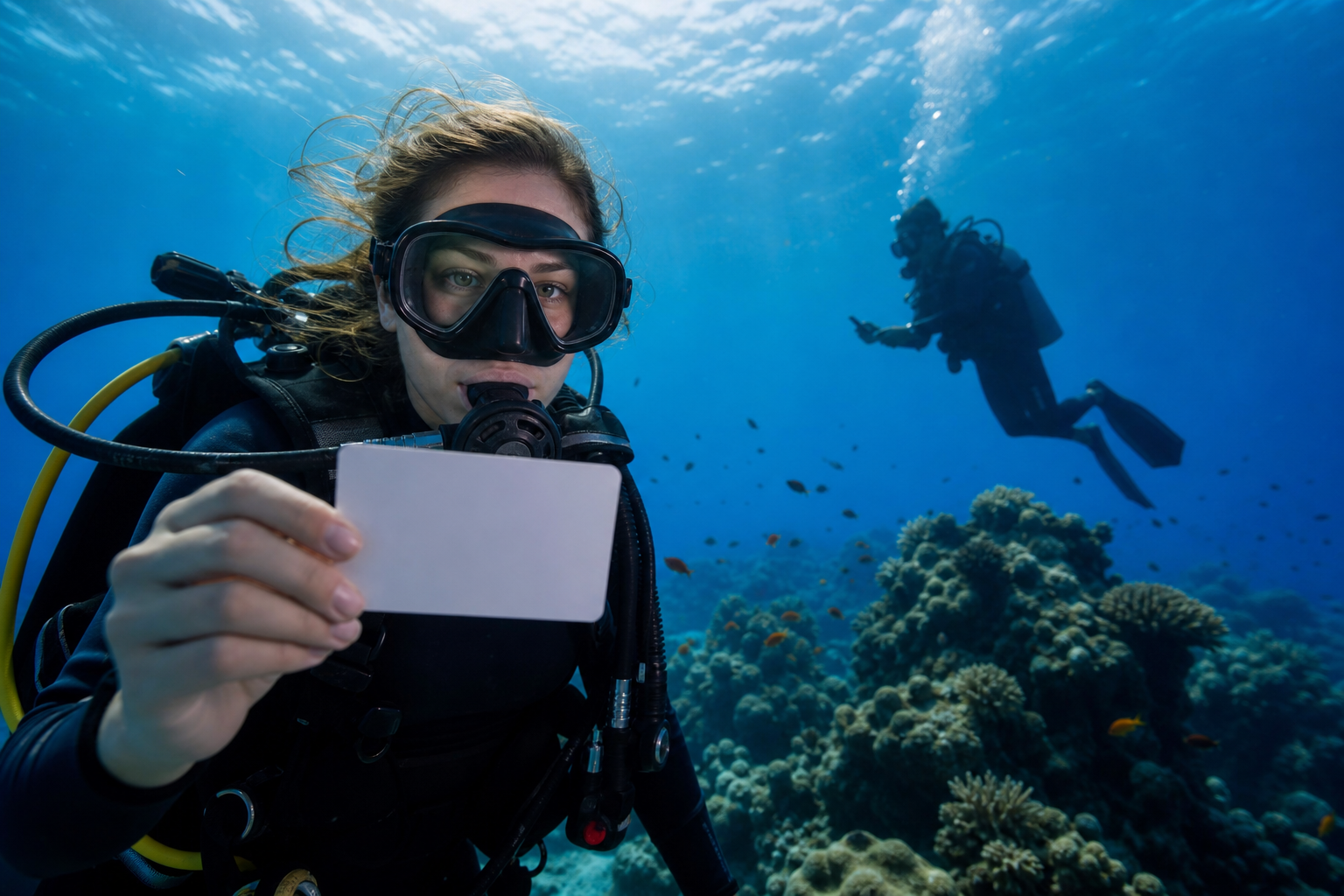
Searching for the best place to get scuba diving certification? The ideal destination offers warm, calm water, experienced instructors, affordable courses and great diving immediately after you qualify.
This ranked guide covers the 10 best places to learn scuba diving in 2026 — from Koh Tao's budget certification capital to Malta's Mediterranean wrecks and Tenerife's year-round European training.
What Is the Best Place to Get Scuba Diving Certification?
The best place to get scuba diving certification depends on your priorities, but top-ranked destinations are Koh Tao (Thailand) for value, Utila (Honduras) for Caribbean budget training, Bali and the Gili Islands for reefs and culture, Dahab and Hurghada (Egypt) for Red Sea visibility, Tenerife for European year-round courses, Malta for Mediterranean wrecks, Moalboal/Cebu for Philippine marine life, Cozumel for Caribbean walls, Roatan for reef access, and Sharm El Sheikh for Red Sea infrastructure.
Most Open Water courses take 3–4 days and cost $250–$550 depending on location.
Certification Destinations by Region
The world's best learn-to-dive hubs cluster in a few regions:
- Southeast Asia: Koh Tao, Bali and the Gili Islands — cheapest courses and warm water.
- Red Sea: Dahab, Hurghada and Sharm — exceptional visibility and shore diving.
- Caribbean & Central America: Utila, Roatan and Cozumel — reef access after certification.
- Europe: Tenerife and Malta — no long-haul flight for European learners.
10 Best Places to Get Scuba Certified (Detailed)
1. Koh Tao, Thailand
Koh Tao certifies more divers than almost anywhere on Earth. Calm Gulf of Thailand bays, competitive pricing from around $250–$350 and dozens of PADI/SSI centers make it the default answer for "best place to learn scuba diving" on a budget.
Why it ranks #1: Lowest cost, high instructor volume, warm water and fun post-cert diving at Sail Rock and Chumphon Pinnacle.
2. Utila, Honduras
Utila is the Caribbean's certification capital — cheaper than neighboring Roatán with a laid-back island vibe. Open Water courses typically run $280–$380 with whale shark season (March– April) as a bonus for new divers.
Why it ranks #2: Best budget option in the Western Hemisphere with English-speaking instructors and reef diving straight after certification.
3. Bali & the Gili Islands, Indonesia
Bali (Padang Bai, Amed) and the Gili Islands combine calm training sites with world-class reefs. Courses run $300–$450 with rich culture, food and post-cert diving at the USAT Liberty wreck and turtle-filled Gilis.
Why it ranks #3: Best blend of affordable certification, biodiversity and travel experience.
4. Dahab & Hurghada, Egypt
The Red Sea delivers 30 m+ visibility and shore-accessible reefs. Dahab is ultra-budget-friendly; Hurghada has more resort infrastructure. Both offer Open Water courses from roughly $280–$400.
Why it ranks #4: Unmatched value-for-visibility ratio; easy to add Advanced and Nitrox on the same trip.
5. Tenerife, Spain
Tenerife is Europe's top learn-to-dive destination. El Puertito and Abades offer calm, year-round training in 18–24°C water — ideal for UK and European divers who want certification without flying to Asia.
Why it ranks #5: Best place to get scuba certified in Europe with year-round courses and turtle-filled training bays.
6. Malta & Gozo
Malta packs Mediterranean clarity, shallow wrecks and cave dives into a compact island. Cirkewwa and shallow reef sites suit beginners; the MV Rozi and Blue Hole await after certification. Courses typically cost €350–€500.
Why it ranks #6: Best European wreck-and-cave introduction for newly certified divers.
7. Moalboal & Cebu, Philippines
Moalboal's sardine run and turtle house reef are minutes from shore. Cebu offers English-speaking instructors, warm water and courses from $300–$420 — plus easy connections to Malapascua and Bohol after certification.
Why it ranks #7: Best certification base in the Philippines with instant world-class fun dives after qualifying.
8. Cozumel, Mexico
Cozumel's drift reefs (Palancar, Santa Rosa) are legendary, but sheltered shore sites also work for training. Open Water courses run $350–$500 with easy access to Playa del Carmen cenotes for Advanced specialties.
Why it ranks #8: Best Caribbean certification for US travelers — short flights, clear water and world-class post-cert walls.
9. Roatan, Honduras
Roatan sits on the Mesoamerican Barrier Reef with calm west-end sites perfect for training. Slightly pricier than Utila ($350–$500) but with more resort comfort and excellent reef diving immediately after certification.
Why it ranks #9: Premium Caribbean learning experience with direct reef access from shore and boat.
10. Sharm El Sheikh, Egypt
Sharm El Sheikh offers the Red Sea's most developed dive tourism infrastructure. Ras Mohammed National Park, Tiran Island and house reefs provide stunning post-certification diving. Courses run $300–$450 with resort-style comfort.
Why it ranks #10: Best Red Sea option for travelers wanting full-service resorts plus world-class day-boat diving after Open Water.
Best Certification Destinations Compared
| Destination | Typical OW price | Course length | Best for |
|---|---|---|---|
| Koh Tao | $250–$350 | 3–4 days | Budget + volume |
| Utila | $280–$380 | 3–4 days | Caribbean value |
| Bali / Gili | $300–$450 | 3–4 days | Reefs + culture |
| Dahab / Hurghada | $280–$400 | 3–4 days | Red Sea visibility |
| Tenerife | €350–€500 | 3–5 days | European year-round |
| Malta | €350–€500 | 3–5 days | Med wrecks + caves |
| Moalboal / Cebu | $300–$420 | 3–4 days | Philippines marine life |
| Cozumel | $350–$500 | 3–4 days | US-accessible Caribbean |
| Roatan | $350–$500 | 3–4 days | Barrier reef comfort |
| Sharm El Sheikh | $300–$450 | 3–4 days | Resort + day boats |
When Is the Best Time to Get Certified?
Timing varies by destination, but these guidelines help you plan:
- Southeast Asia (Koh Tao, Bali): November to April for Andaman-side calm; Gulf of Thailand is year-round.
- Red Sea (Egypt): March to May and September to November for comfortable temperatures.
- Caribbean (Utila, Roatan, Cozumel): December to April for clearest water; summer for fewer crowds.
- Europe (Tenerife, Malta): Tenerife year-round; Malta best April to November.
Avoid monsoon peaks and hurricane seasons — most centers run courses year-round but weather can delay open water dives.
How to Choose the Best Place to Learn Scuba Diving
- Prioritize instructor quality over price: Read reviews for patience, small groups and safety standards — not just the cheapest package.
- Compare total cost: Ask if certification fees, equipment rental, boat trips and digital materials are included. See our certification cost guide.
- Pick water you will enjoy after certifying: The best place to learn is also a place you want to keep diving — Koh Tao, Malta and Moalboal excel here.
- Consider agency fit: PADI has the widest reach; SSI often saves on digital materials. Compare agencies.
- Search courses on Be Underwater: Compare dive centers by destination, price and verified reviews.
FAQ: Where to Get Scuba Certified
Where is the best place to get scuba diving certification?
Koh Tao, Thailand is the most popular answer for budget and volume. For Europeans, Tenerife and Malta rank highest. For visibility and value, Egypt's Red Sea (Dahab, Hurghada, Sharm) is hard to beat.
How long does scuba certification take?
Open Water certification typically takes 3–4 days including theory, confined water skills and four open water dives. Some centers offer intensive 3-day courses; others spread training over a week.
Is it better to get certified at home or abroad?
Abroad is usually cheaper and more enjoyable — warm water and holiday time reduce stress. Many divers complete theory online at home and finish open water dives on a trip to Koh Tao, Bali or the Red Sea.
Related Diving Guides
Find Open Water Courses Worldwide
Compare scuba certification courses by destination, read reviews and book your Open Water course on Be Underwater.
Search Dive Courses