Best Time to Dive Komodo: Month-by-Month Guide
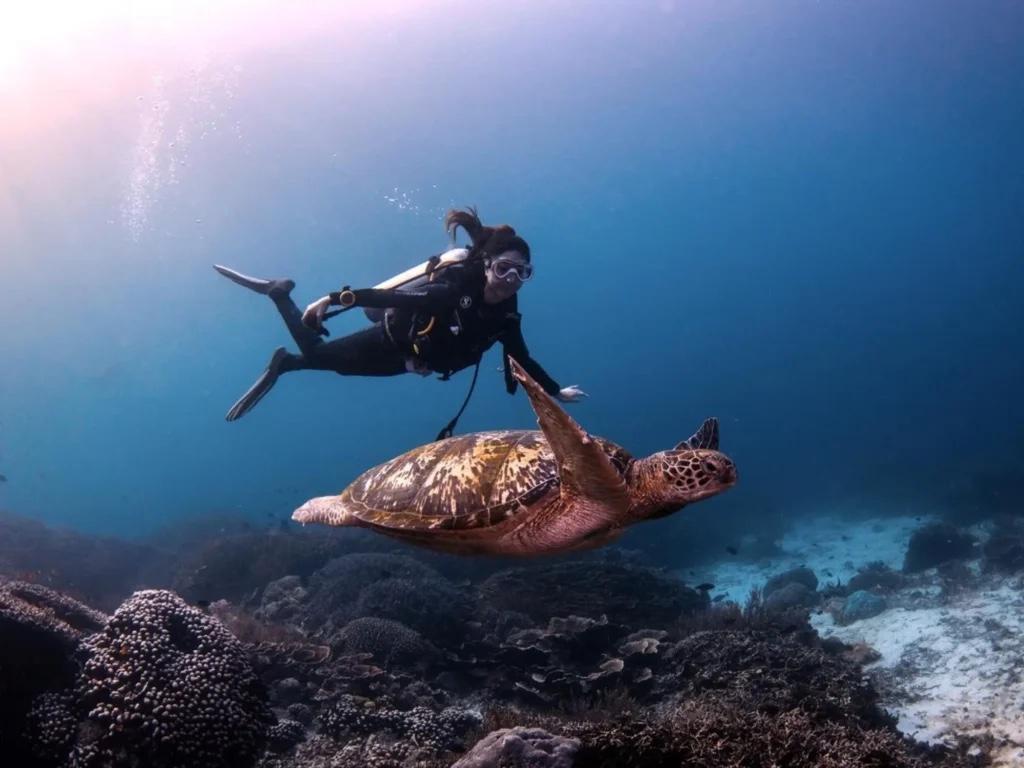
The best time to dive Komodo is the dry season, roughly May to September or October, when seas are calmer and manta activity peaks at sites like Karang Makassar and Manta Point. Water temperature ranges from 22°C to 28°C depending on season and location, with the south running noticeably colder than the north due to seasonal upwellings.
Komodo National Park is open for diving year-round, but the north and south of the park peak at different times. Knowing which half of the park is in season — and how strong the currents will be — makes the difference between an easy reef dive and a full-on drift dive.
When Should You Go Diving in Komodo?
For most divers, June through September is the sweet spot: the dry season keeps seas calm topside, visibility runs 10 to 30 meters, and the northern sites deliver the most consistent manta ray encounters of the year. Expect strong currents at Batu Bolong, Castle Rock and Crystal Rock during these months — Advanced certification or solid drift diving experience is recommended.
If your trip falls December to February instead, head to the south of the park. Manta Alley and Nusa Kode come into their own during the rainy season, when the north can be choppier and less predictable.
Komodo Diving Conditions Month by Month
| Month | Water temp | Conditions | Highlights | Verdict |
|---|---|---|---|---|
| January | 26–28°C | Rainy season, occasional swell | South sites (Manta Alley) at their best; quieter north | Good for south, skippable for north |
| February | 26–28°C | Rainy season, generally calm mornings | Manta Alley and Nusa Kode still strong | Good for south |
| March | 26–29°C | Transition month, improving visibility | South mantas tapering, north warming up | Shoulder season |
| April | 27–29°C | Transition to dry season, seas flattening | Good all-round diving before peak crowds | Shoulder season, good value |
| May | 26–28°C | Dry season begins, seas calm down | Karang Makassar mantas ramping up | Start of peak season |
| June | 24–27°C | Dry, windier, strong currents at north sites | Peak manta season at Karang Makassar and Manta Point | Peak season |
| July | 23–26°C | Dry, can be the coolest and windiest month | Strongest currents at Castle Rock and Crystal Rock | Peak season, Advanced recommended |
| August | 23–26°C | Dry, consistently strong currents | Excellent visibility, big pelagic encounters | Peak season, Advanced recommended |
| September | 24–27°C | Dry, seas starting to ease slightly | Reliable mantas, still strong currents | Peak season |
| October | 26–28°C | End of dry season, calmer seas | Good north diving, liveaboards begin relocating south | Good, tail end of peak |
| November | 27–29°C | Transition to rainy season | South sites picking up ahead of manta season | Shoulder season |
| December | 26–28°C | Rainy season begins, some swell | Manta Alley and southern sites come into season | Good for south |
North vs South Komodo: Two Different Seasons
Komodo National Park effectively runs on two seasons at once. The north, around Komodo and Rinca islands, is best from June to September, with famous sites like Karang Makassar (manta cleaning station), Batu Bolong and Crystal Rock at their liveliest — and their most current-swept.
The south, including Manta Alley and Nusa Kode, is better December to February, when cold-water upwellings from the Indian Ocean bring in plankton and reliably large manta aggregations, even as water temperatures there drop toward the lower end of the 22–28°C range.
Tip: a trip planned for July or August will center on the north; a trip in January should prioritize the south. See exact sites in our Komodo dive spots guide.
Currents and Certification Level
Komodo is known for strong, sometimes unpredictable currents, especially at north sites during the dry season. Down-currents and up-currents can occur at Castle Rock and Crystal Rock without much warning.
Advanced Open Water certification, or at minimum solid drift diving experience with 20 or more logged dives, is strongly recommended for Batu Bolong, Castle Rock and Crystal Rock. Open Water divers can still enjoy calmer sites and day trips out of Labuan Bajo. Get certified in Komodo.
Manta Ray Season in Komodo
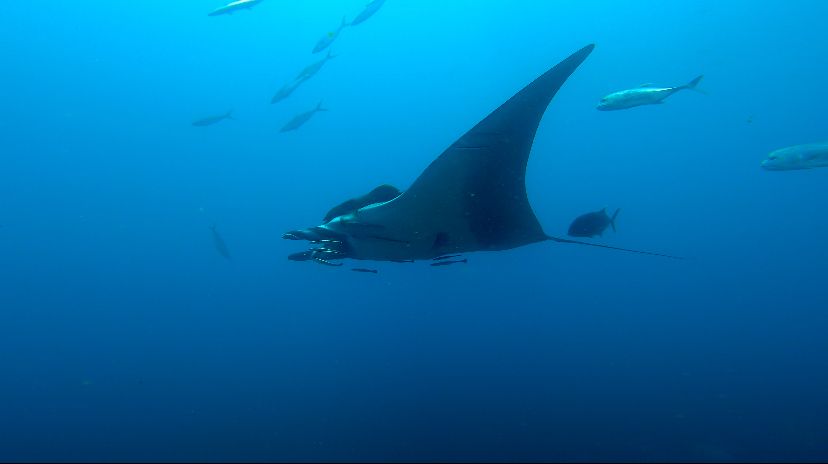
Manta rays are present in Komodo year-round, but activity peaks differently by site. At Karang Makassar and Manta Point in the north, sightings are most consistent June to September. At Manta Alley in the south, the best window is December to February.
Visibility at manta cleaning stations typically runs 10 to 25 meters, and drift dives past the stations let divers watch mantas circling to be cleaned by resident wrasse. More manta ray diving destinations.
Liveaboard vs Day Trips in Komodo
Many liveaboards that spend the calm season in Raja Ampat relocate south to Komodo roughly May to September, chasing the dry season and manta activity before heading back north as Raja Ampat comes into its own window in October. Compare Komodo liveaboards.
Day trips from Labuan Bajo run year-round to sites like Manta Point, Batu Bolong and Siaba, making Komodo accessible even outside the peak liveaboard window.
Planning Your Komodo Trip
- Pick your season by region. North sites peak June–September; south sites (Manta Alley) peak December–February.
- Pack a 5mm wetsuit. Water temperature can drop to 22°C in the south during peak upwelling months, even though the north stays warmer.
- Book current-heavy sites with an Advanced rating. Batu Bolong, Castle Rock and Crystal Rock are not beginner dives.
- Avoid rainy-season crossings if prone to seasickness. December–February brings more swell on the open-water crossings between islands.
- Compare liveaboard departure dates before booking. Trip pages on Be Underwater list exact dates, cabin availability and every mandatory extra fee, so you can pick a boat that matches your season and budget without contacting an agency.
FAQ: Best Time to Dive Komodo
What is the best month to dive Komodo?
July and August offer the most reliable manta encounters and clearest water at the northern sites, but they also bring the strongest currents. May, June and September are a good balance of good conditions and slightly calmer water.
Is Komodo National Park open year-round for diving?
Yes. Komodo diving runs year-round. The northern sites (Karang Makassar, Batu Bolong, Castle Rock, Crystal Rock) are best June to September, while the southern sites (Manta Alley, Nusa Kode) are best December to February.
Do I need to be an Advanced diver for Komodo?
Open Water divers can dive many sites in Komodo, but Advanced certification (or at least 20-30 logged dives) with drift diving experience is strongly recommended for current-heavy sites like Batu Bolong, Castle Rock and Crystal Rock.
What is the water temperature in Komodo?
Water temperature ranges from about 22°C to 28°C depending on season and location. The south, affected by cold upwellings from the Indian Ocean, runs several degrees colder than the north, especially June to September. A 5mm wetsuit or semi-dry suit is recommended year-round.
When do liveaboards run trips to Komodo?
Many liveaboards that operate in Raja Ampat relocate south to Komodo roughly from May to September to follow the dry season and manta activity, then head back north as Raja Ampat's calm season begins in October.
Can I dive Komodo without a liveaboard?
Yes. Day trips from Labuan Bajo run year-round to sites like Manta Point, Batu Bolong and Siaba, making Komodo accessible even for divers who cannot commit to a multi-day liveaboard trip.
Related Guides
Find Your Komodo Liveaboard
Compare real Komodo liveaboards by season, cabin type and price, and request your booking online.
Browse Komodo Liveaboards