Your First Liveaboard: What to Expect (2026 Guide)

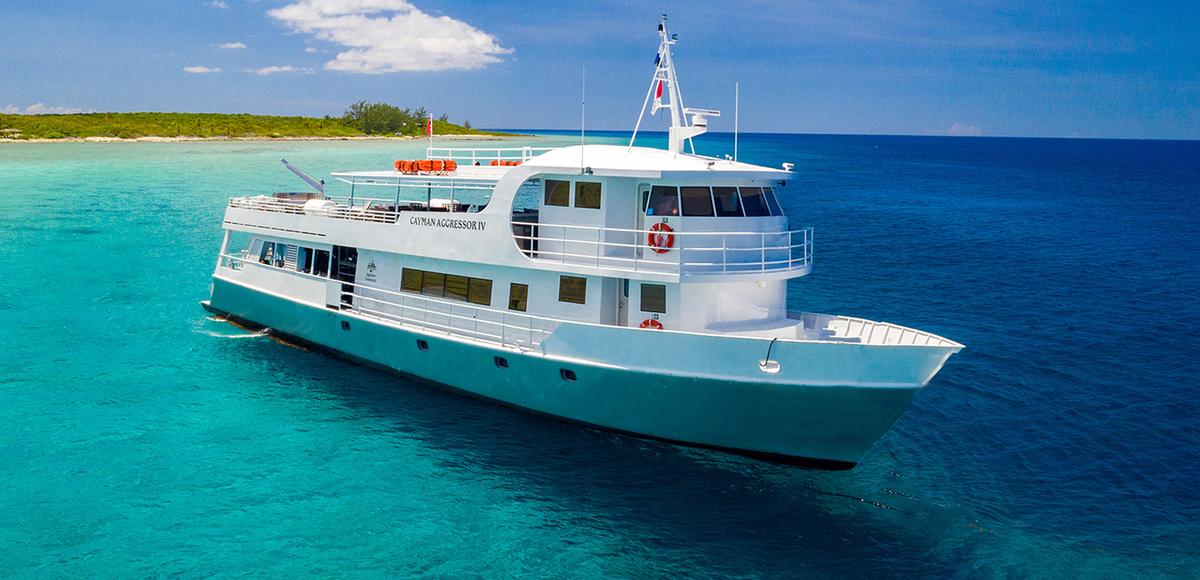
A liveaboard is a boat you sleep, eat and dive from for days at a time, reaching reefs far from any shore-based dive center. On a typical trip you do 3 to 4 dives a day, often including a night dive, over a 6 to 10 night itinerary, and the whole experience — cabin, meals, tanks and boat dives — usually runs $200 to $450 per person per night depending on the region and the boat's class.
This guide walks through what a day on board actually looks like, who a liveaboard is right for, certification and insurance requirements, what is and is not included in the price, and how booking and payment work when you reserve on Be Underwater.
What Should You Expect on Your First Liveaboard?
Expect a fixed daily rhythm built entirely around diving: an early wake-up, 3 to 4 guided dives spaced out with surface intervals and meals, and the boat repositioning to a new site while you eat or rest. Cabins are compact, Wi-Fi is usually limited or absent, and most days end with dinner on deck and a briefing for the next day's sites.
It is a more immersive, more physically demanding trip than a resort holiday, but it also puts you on remote reefs — like outer Komodo or Raja Ampat's Four Kings — that shore-based day boats simply cannot reach and return from in a day.
A Typical Day on a Liveaboard
| Time | Activity |
|---|---|
| 6:30 AM | Wake-up call, light breakfast |
| 7:00 AM | Dive briefing and Dive 1 |
| 8:30 AM | Surface interval, full breakfast |
| 10:30 AM | Dive briefing and Dive 2 |
| 12:30 PM | Lunch, boat repositions to next site |
| 3:00 PM | Dive briefing and Dive 3 |
| 5:00 PM | Afternoon snack, sunset on deck |
| 6:30 PM | Optional night dive briefing and dive |
| 8:00 PM | Dinner and next-day briefing |
Is a Liveaboard Right for You?
A liveaboard makes sense if diving is the main point of the trip, not a side activity. You wake up already at (or near) the dive site, you dive more per day than a shore-based schedule allows, and you reach sites — outer reefs, remote atolls, offshore seamounts — that day boats cannot get to and back from in a single day. The trade-off is less flexibility: you eat what the galley serves, share a small cabin, and follow the group's schedule for the whole trip.
Liveaboard vs. resort diving: if you want more dives per day, remote sites and don't mind compact cabins, choose a liveaboard. If you want to explore on land between dives, sleep in a larger room and dive fewer times a day, a resort is the better fit. See the full comparison in our liveaboard vs. resort diving guide.
Certification, Experience and Insurance Requirements
Almost every liveaboard requires at least an Open Water certification. Boats in current-heavy regions — Komodo, Raja Ampat, parts of the Red Sea and the Maldives — commonly require Advanced Open Water and around 20 to 30 logged dives, since sites like drift dives and channel dives are not suitable for brand-new divers. Check the exact requirement listed on each boat's trip page, since it varies by operator and itinerary.
Dive insurance covering emergency evacuation is mandatory on nearly every liveaboard — see why it matters in our guide to diving accident insurance. If your trip includes 20 or more dives across a week or more, a Nitrox certification is worth getting beforehand — it extends bottom time and reduces fatigue across back-to-back dive days.
Not Advanced yet? Many boats let you complete your Advanced Open Water course in the first days of the trip if you already meet the minimum dive count — ask the operator before booking.
What's Included vs. What Costs Extra
Liveaboard prices almost always include the cabin, all meals, drinking water, tanks, weights and guided boat dives for the length of the itinerary. What is not included varies by operator and typically covers marine park fees, equipment rental (BCD, regulator, wetsuit), Nitrox fills, alcoholic drinks, gratuities for the crew, and sometimes airport transfers.
On Be Underwater, every trip page lists what is included and every mandatory extra — such as marine park or port fees — before you book, and no booking fees are added on top of the listed price.
Choosing Your Cabin (and Sharing as a Solo Traveler)
Cabin types usually range from lower-deck twin or bunk cabins, which are the most affordable and sit closer to the boat's center of gravity (steadier in swell), up to a master or owner's suite with a larger bed and private bathroom, often on the upper deck. You can pick your exact cabin type and see the per-departure price for it before requesting a booking.
Traveling solo does not mean paying for a private cabin — most boats sell individual berths in shared twin cabins, pairing you with another same-gender diver, so you pay a per-person rate instead of the full cabin price.
How Booking a Liveaboard Works on Be Underwater
You request a booking online, choosing your cabin type and departure date. Nothing is charged at request time — the boat's own team then manually confirms cabin availability before the booking is final. For many boats, departures and prices are synced daily from the operators' own booking systems, so what you see reflects real availability.
Once confirmed, the payment schedule is a 40% deposit due two months before departure, with the balance due one month before departure. Compare exact starting prices by region in our liveaboard cost guide.
Practical Tips for Your First Liveaboard
- Pack light, soft-sided luggage. Storage on board is limited to a small locker or shelf under the bunk — leave hard-shell suitcases at your hotel if you can.
- Bring reef-safe sunscreen, a rash guard and a reusable water bottle. Most boats discourage single-use plastic bottles and provide filtered drinking water instead.
- Start seasickness medication the night before departure, not after you feel unwell — it works far better as a preventive measure than as a cure.
- Bring cash for gratuities and bar tabs — Wi-Fi and card payments are often unreliable or unavailable once the boat leaves port.
- Log your dives and bring a dive computer. Some operators can lend one, but having your own means one less thing to coordinate at the dive briefing.
FAQ: Your First Liveaboard
What is the minimum certification for a liveaboard?
Most liveaboards accept divers with an Open Water certification and a small number of logged dives. Current-heavy regions such as Komodo, Raja Ampat and parts of the Red Sea often require Advanced Open Water and around 20 to 30 logged dives — check the requirement on the boat's own trip page before booking.
How many dives do you do per day on a liveaboard?
Most itineraries run 3 to 4 dives a day, typically two morning dives, one afternoon dive and an optional night dive, following an eat-sleep-dive rhythm with surface intervals of 1 to 2 hours between dives.
Do I need dive insurance for a liveaboard?
Yes. Dive insurance that covers emergency evacuation and hyperbaric treatment is mandatory on almost every liveaboard, since the nearest chamber can be many hours away. Trip pages list this requirement before you book.
Can solo travelers share a cabin on a liveaboard?
Yes. Most boats sell berths in shared twin or bunk cabins, so solo divers pay a per-person rate instead of booking an entire cabin. You can filter or ask about cabin sharing directly on the boat's trip page.
What helps with seasickness on a liveaboard?
Take motion-sickness medication the night before departure rather than after symptoms start, choose a cabin closer to the center of the boat where movement is smallest, stay on deck watching the horizon, and keep eating small amounts even if you feel queasy.
How much does a first liveaboard trip cost?
Budget liveaboards start around $200 per person per night, while premium boats can run $450 or more per night, depending on the region, boat class and trip length. See the full cost breakdown in our liveaboard cost guide.
Related Guides
Find Your First Liveaboard
Compare real liveaboards by region, cabin type and departure date, and request your booking online.
Browse Liveaboards