Scuba Diving in Europe: Complete Guide
Europe punches well above its weight as a scuba diving destination. Yes, it's colder than the tropics in many places — but it compensates with extraordinary history, world-class wrecks, dramatic underwater topography, and some of the most strictly protected marine reserves on Earth.
Whether you're looking to get certified, chase pelagic wildlife, or dive into military history, Europe has a site for it.
Why Dive in Europe?
- Maritime history: Two world wars, centuries of trade, and naval battles have left Europe's seafloor littered with significant wrecks
- Protected marine areas: The EU's marine reserve network means many European dive sites have thriving, undisturbed ecosystems
- Diverse conditions: Cold-water Arctic diving, warm Mediterranean reefs, and Atlantic pelagics all within a few hours flight of each other
- High training standards: European dive centers are tightly regulated — instruction quality is consistently high
- No long-haul flight: For European divers, world-class diving is 2–4 hours away
Best Scuba Diving Regions in Europe
Mediterranean: Malta, Greece & Croatia
The Mediterranean is Europe's most accessible diving region. Malta (especially Gozo) has some of the best visibility in Europe — regularly exceeding 30m — plus spectacular cave systems, wrecks, and the famous Blue Hole. Greece offers ancient shipwrecks, Santorini's volcanic topography, and warm summer water. Croatia's Adriatic coast features a B-17 bomber wreck and pristine islands with minimal crowds outside summer.
Best season: May–October for warm water (up to 27°C). March–April for fewer crowds.
Atlantic Islands: Canaries, Azores & Madeira
The Atlantic islands offer year-round diving with unique ecosystems. Tenerife (Canary Islands) has angel sharks, diverse reef life, and lava formations — warm water year-round at 18–24°C. The Azores is Europe's pelagic capital: blue sharks, mobula rays, and occasional whale sharks in the open Atlantic. Madeira offers dramatic volcanic walls and good visibility.
Best season: Year-round in Tenerife. July–September for Azores big animals.
Northern Europe: Scotland, Norway & Iceland
For the more adventurous diver, northern Europe is extraordinary. Scapa Flow, Scotland holds the world's most significant collection of WWI naval wrecks — massive German battleships in 20–45m of water. Norway's Lofoten Islands offer orca encounters in winter and midnight-sun kelp forests in summer. Iceland's Silfra Fissure is one of the most unique dive experiences on Earth: 100m+ visibility in 2°C glacial water between tectonic plates.
Note: Cold-water diving requires drysuit certification. Most centers offer rental and instruction.
Costa Brava, Spain: Medes Islands
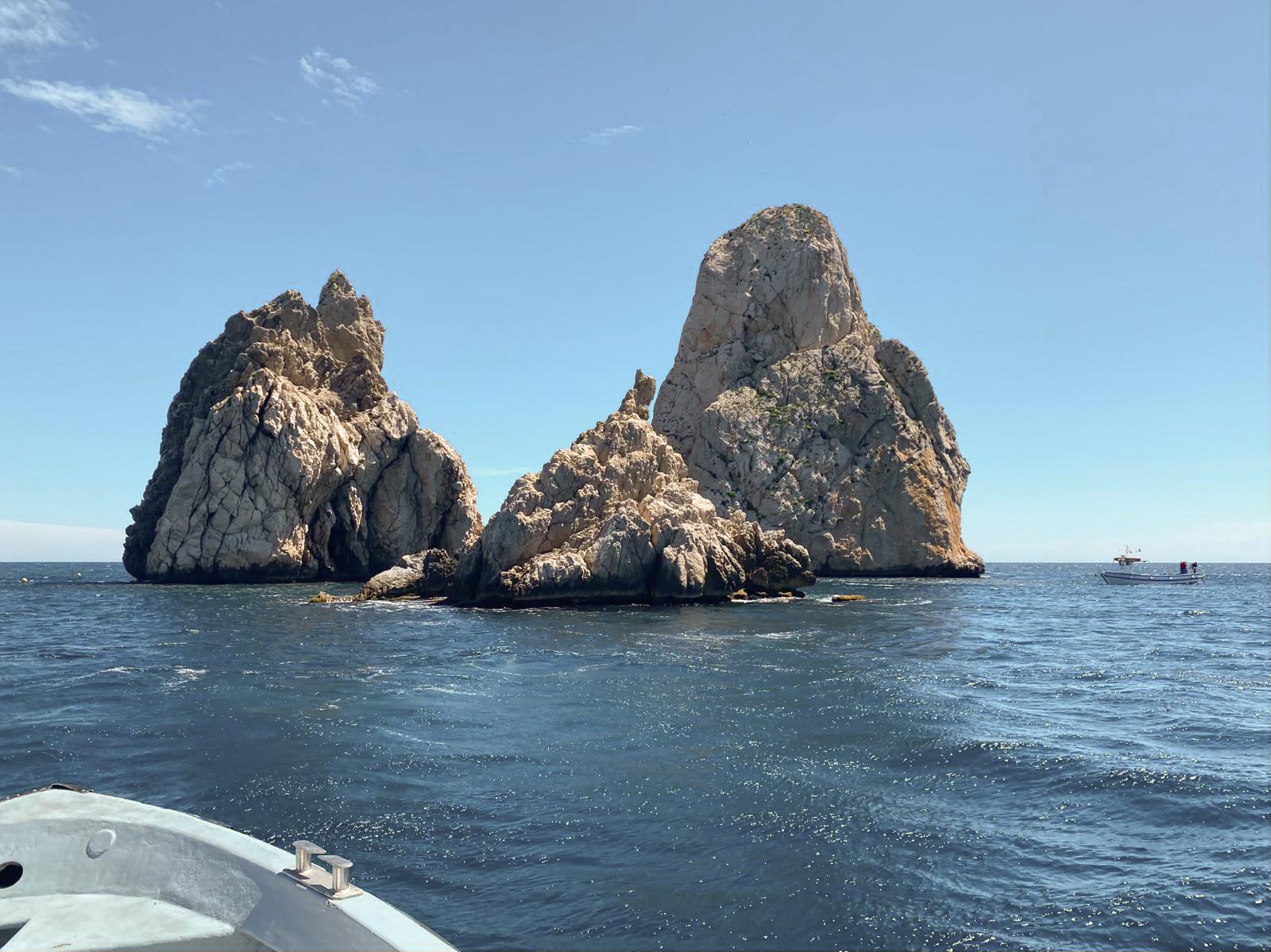
One of the Mediterranean's most successful marine reserves. Strict protection since 1983 has produced astonishing fish biomass — dense schools of barracuda, massive groupers that approach divers without fear, and eagle rays patrolling the rock walls. Easy access from Barcelona (2 hours) makes it ideal for weekend trips.
Best season: June–September (water up to 25°C). Year-round diving possible with 5mm wetsuit.
European Dive Destinations at a Glance
| Destination | Season | Temp | Specialty | Level |
|---|---|---|---|---|
| Gozo, Malta | Apr–Oct | 15–26°C | Caves, wrecks, visibility | All levels |
| Greece | May–Oct | 18–27°C | Ancient wrecks, reefs | All levels |
| Tenerife, Spain | Year-round | 18–24°C | Angel sharks, rays | All levels |
| Medes Islands, Spain | Jun–Sep | 14–25°C | Marine reserve, fish density | All levels |
| Azores, Portugal | Jul–Sep | 17–24°C | Pelagic sharks, mobulas | Intermediate |
| Scapa Flow, Scotland | Jun–Aug | 6–14°C | WWI battleship wrecks | Intermediate |
| Silfra, Iceland | May–Sep | 2–4°C | Tectonic dive, clarity | Drysuit req. |
| Lofoten, Norway | Oct–Feb | 4–10°C | Orcas, WWII wrecks | Advanced |
Getting Certified in Europe
All major PADI and SSI courses are available across European dive destinations. Mediterranean centers in Malta, Greece, and Spain are particularly popular for Open Water certification due to comfortable summer conditions and excellent English instruction.
European Open Water courses typically cost more than Southeast Asian equivalents ($400–$600 vs $250–$350), but training quality, equipment standards, and dive site variety can be superior.
Common Questions About Scuba Diving in Europe
Is European scuba diving cold?
It depends where and when. The Mediterranean in summer (22–27°C) needs only a 3mm wetsuit. Northern sites like Iceland or Norway require drysuit gear. The Canaries are warm year-round.
What's the best European destination for beginners?
Malta (Gozo) and Tenerife are the top choices — excellent visibility, warm summer water, highly regulated dive centers, and multiple beginner-friendly sites.
Where should I dive in Europe if I want to see wrecks?
Scapa Flow (Scotland) for WWI battleships, Croatia for WWII aircraft wrecks, and Malta for accessible recreational wrecks like the MV Rozi and the Um El Faroud.
Can I dive in Europe on a budget?
Yes. Within Europe, Greece and Croatia offer good value. Tenerife is also very competitive on price. The Red Sea (close to Europe, often bundled in European dive holidays) is remarkably cheap.
Related Articles
Plan Your European Dive Trip
Compare dive centers across Europe — from Malta to Norway. Find courses, fun dives, and guided trips all in one place.
Explore European Dive Centers