10 Best Dive Spots in the Azores: Atlantic Island Guide (2026)
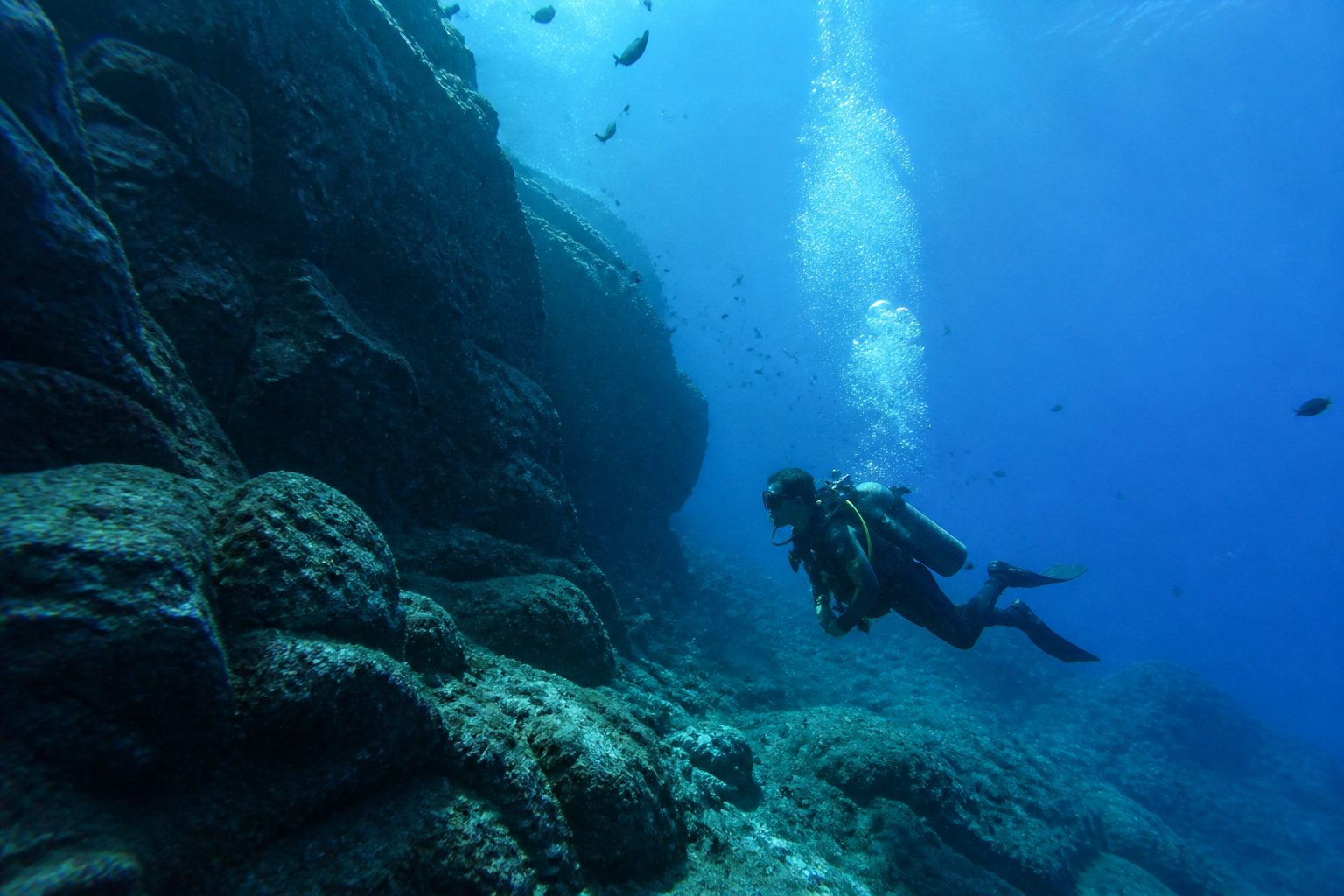
The Azores are a remote Portuguese archipelago in the mid-Atlantic — a frontier for divers who want manta rays, blue sharks, whales and dramatic volcanic topography without leaving Europe.
This guide covers the best dive spots in the Azores, from offshore seamounts like Princess Alice Bank to coastal caves on Faial, Pico's black basalt walls and the reefs of São Miguel and Santa Maria.
What Are the 10 Best Dive Spots in the Azores?
The 10 best dive spots in the Azores are Princess Alice Bank, Condor Seamount, Formigas Islets, Pico / Faial coastal sites, Santa Maria, Terceira, São Miguel dive sites, Dom João de Castro Bank, whale & dolphin areas, and Faial underwater caves.
The main Azores dive season runs June through October, when calmer seas allow offshore pelagic trips.
Azores Diving Regions at a Glance
The nine islands group into three archipelago clusters for diving:
- Central group (Faial, Pico, São Jorge): Condor Seamount, Princess Alice access and volcanic coastal walls.
- Eastern group (São Miguel, Santa Maria): Vila Franca, Formigas Islets and clear southern reefs.
- Western group (Flores, Corvo): Remote walls and pristine Atlantic diving for adventurous travellers.
10 Best Dive Spots in the Azores (Detailed)
1. Princess Alice Bank
Princess Alice Bank is the Azores' most legendary dive — a submerged seamount roughly 90 km from Faial where manta rays, mobula rays, tuna and sharks gather in blue water. Full-day boat trips run in calm summer weather only.
Best for: Advanced divers; experience with blue-water and deep conditions essential.
2. Condor Seamount
Condor Seamount off Faial is another offshore pelagic hotspot. Blue sharks, manta rays and large pelagic fish appear when upwellings bring nutrients to the surface — a must for big-animal enthusiasts.
Best season: July through September when operators schedule regular trips.
3. Formigas Islets
The remote Formigas Islets and Dollabarat Bank northeast of São Miguel offer steep walls, strong currents and the chance of hammerheads, mantas and large pelagics in exceptionally clear Atlantic water.
Best for: Experienced divers on multi-day expeditions from Santa Maria or São Miguel.
4. Pico / Faial Coastal Sites
The channel between Pico and Faial offers accessible coastal diving on black basalt walls, arches and reef slopes. Sites like Castelo Branco and Porto Pim deliver volcanic scenery with groupers, wrasse and occasional manta sightings.
Best for: Daily boat dives when offshore conditions are too rough.
5. Santa Maria
Santa Maria is the Azores' southernmost island with warmer water and excellent visibility. Ambrosio, Pedrinha and Formigas access make it a pelagic gateway with colourful reef life on calmer days.
Best for: Combining Formigas trips with relaxed island diving.
6. Terceira
Terceira offers varied diving from sheltered bays to offshore pinnacles. Underwater caves, swim-throughs and reef walls around Angra do Heroísmo attract divers who want history and marine life on one island.
Best for: Intermediate divers exploring the central archipelago.
7. São Miguel Dive Sites
São Miguel is the Azores' main hub. Sites like Vila Franca do Campo islet, Mosteiros arches and Lourenço provide volcanic walls, caves and reef fish within easy reach of Ponta Delgada dive centres.
Best for: First-time Azores visitors and island-hopping itineraries.
8. Dom João de Castro Bank
Dom João de Castro Bank is a submerged volcano between Terceira and São Miguel. Warm water upwellings attract pelagic species, and the site is prized by advanced divers for its unique geology and big-fish potential.
Best for: Weather-dependent expeditions; check local operator schedules.
9. Whale & Dolphin Areas
The Azores are one of the world's best whale and dolphin watching destinations. While not dive sites, many operators combine cetacean tours with diving — sperm whales, blue whales and dolphins are common in Azores waters April through October.
Tip: Faial and São Miguel are the main whale-watching bases; plan rest days between offshore dives.
10. Faial Underwater Caves
Faial features lava tubes, caverns and swim-throughs along its volcanic coastline. Cave dives near Horta reveal light-filled chambers and endemic Atlantic species — best attempted with local guides who know tide and swell windows.
Best for: Cavern-certified divers and photographers.
Azores Dive Spots Comparison
| Dive spot | Best season | Level | Highlights |
|---|---|---|---|
| Princess Alice | Jul-Sep | AOW+ | Manta seamount |
| Condor Seamount | Jul-Sep | AOW+ | Blue sharks + mantas |
| Formigas Islets | Jul-Oct | AOW+ | Remote walls |
| Pico / Faial | Jun-Oct | OW-AOW | Volcanic coast |
| Santa Maria | Jun-Oct | OW-AOW | Clear southern reefs |
| Terceira | Jun-Oct | OW-AOW | Caves + reefs |
| São Miguel | Jun-Oct | All levels | Hub island sites |
| Dom João Bank | Jul-Sep | AOW+ | Submarine volcano |
| Whale areas | Apr-Oct | All levels | Cetacean tours |
| Faial caves | Jun-Oct | AOW+ | Lava caverns |
When Is the Best Time to Dive in the Azores?
Azores diving is seasonal — offshore trips depend on Atlantic weather windows:
- Main season: June through October for warmest water and calmest seas.
- Pelagic peak: July and August for Princess Alice and Condor Seamount trips.
- Whale season: April through October for sperm and blue whale sightings.
Water temperatures range from 16-24°C; a 7 mm wetsuit or drysuit helps on deeper and offshore dives.
How to Plan Your Azores Diving Trip
- Build in weather days: Offshore seamount trips cancel frequently — stay at least a week.
- Base on Faial or São Miguel: Best access to pelagic operators and inter-island flights.
- Bring warm exposure: Atlantic water is cooler than Mediterranean diving.
- Book pelagic trips early: Princess Alice and Condor slots fill in August.
- Compare dive centers: Use Be Underwater to find Azores operators and reviews.
FAQ: Diving in the Azores
Is the Azores good for beginner divers?
Coastal sites on São Miguel, Terceira and Faial suit Open Water divers, but the Azores' famous pelagic seamounts require advanced experience and calm weather.
Can you see manta rays in the Azores?
Yes. Princess Alice Bank and Condor Seamount are among the best places in the Atlantic to encounter mobula and manta rays in summer.
Do the Azores have wreck diving?
Wreck diving is limited compared to Malta or Croatia. The Azores are best known for pelagics, volcanic topography and caves rather than historic shipwrecks.
Related Diving Guides
Find Dive Centers in the Azores
Compare Azores dive centers, pelagic trip operators and reviews — then book your Atlantic island adventure.
Search Azores Dive Trips