10 Best Dive Spots in Spain: Canaries, Med & Balearics (2026)
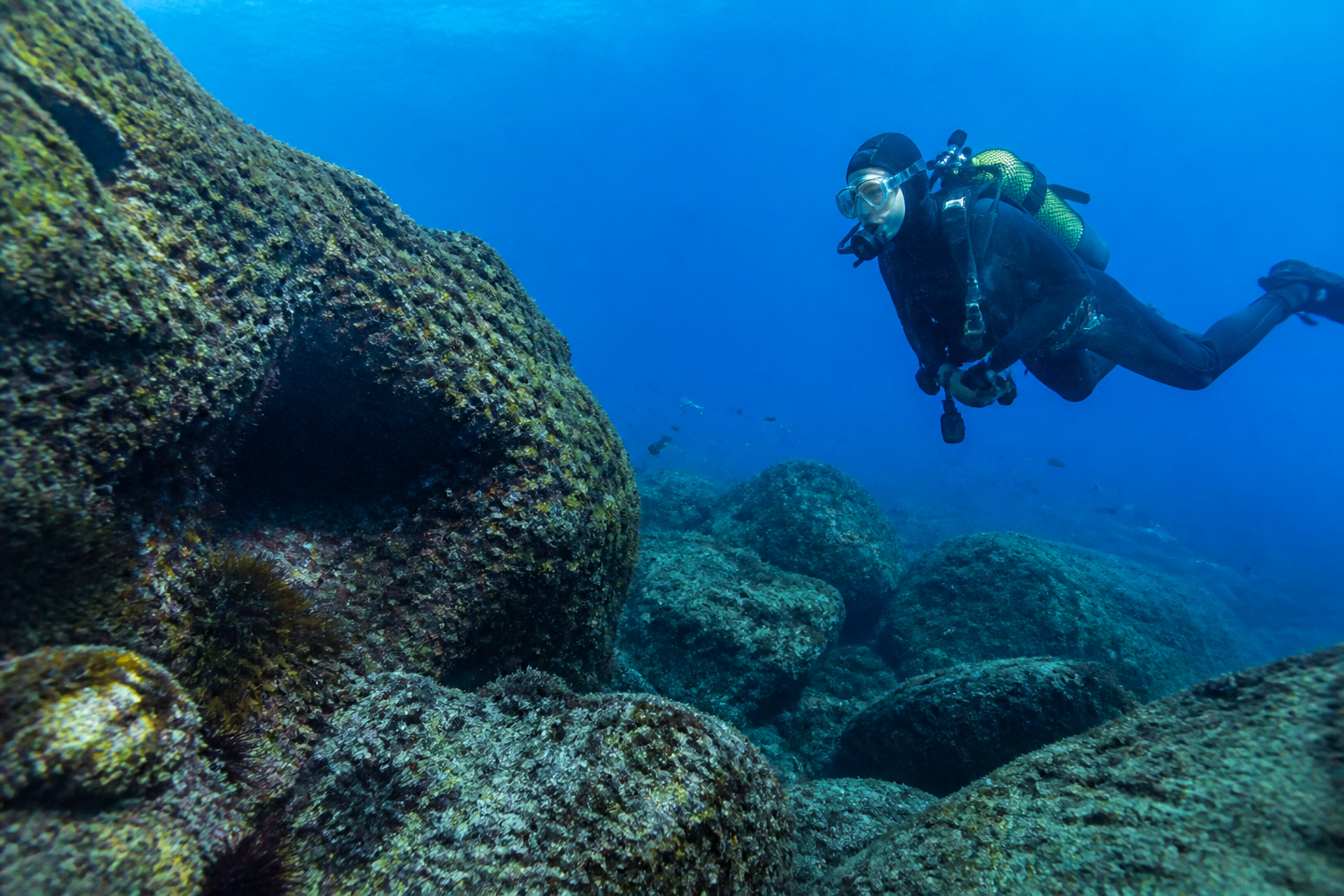
Spain is one of Europe's most diverse dive destinations. The Canary Islands deliver year-round warm water and volcanic reefs, while the Mediterranean offers marine reserves, wrecks and crystal-clear Balearic walls.
This guide covers the best dive spots in Spain, from Tenerife's turtle-filled El Puertito and stingray dives at Los Chuchos to Lanzarote's Museo Atlantico, the Medes Islands and the deep walls of El Hierro.
What Are the 10 Best Dive Spots in Spain?
The 10 best dive spots in Spain are El Puertito (Tenerife), Los Chuchos, Museo Atlantico / Costa Teguise (Lanzarote), El Cabrón (Gran Canaria), Medes Islands (Estartit), Cabo de Palos / Reserva Marina (Murcia), Cabo de Gata, Es Vedra reefs (Ibiza), Dragonera (Mallorca), and La Restinga (El Hierro).
The Canaries dive year-round at 18–26°C; the Mediterranean season peaks from May to October.
Spain Diving Regions at a Glance
Spain's top underwater regions fall into three main zones:
- Canary Islands: Tenerife, Lanzarote, Gran Canaria and El Hierro for volcanic reefs, wrecks and year-round diving.
- Mediterranean coast: Catalonia (Medes), Murcia (Cabo de Palos), Andalusia (Cabo de Gata) for marine reserves and clear summer water.
- Balearic Islands: Ibiza and Mallorca for walls, caves and Mediterranean marine life.
10 Best Dive Spots in Spain (Detailed)
1. El Puertito (Tenerife)
El Puertito is Tenerife's most famous shore dive — a sheltered bay where green sea turtles feed on seagrass and angel sharks appear in winter. Shallow, calm and perfect for all levels.
Best for: Beginners, photographers and anyone wanting reliable turtle encounters.
2. Los Chuchos (Tenerife)
Los Chuchos ("The Rays") sits off the south coast near Las Galletas. Dozens of round stingrays gather on sandy patches, making it one of Spain's most memorable wildlife dives.
Best for: Open Water divers comfortable with boat entries; best visibility in calm mornings.
3. Museo Atlantico / Costa Teguise (Lanzarote)
Lanzarote's Museo Atlantico is Europe's only underwater sculpture museum — a surreal dive at 12–15 m. Nearby Costa Teguise reefs add volcanic arches and grouper-filled walls for follow-up dives.
Best for: Unique art-meets-nature diving; accessible depth for most certified divers.
4. El Cabrón (Gran Canaria)
El Cabrón marine reserve on Gran Canaria's east coast is a biodiversity hotspot. Expect eagle rays, angel sharks, octopus and dense schools of fish along volcanic rock formations.
Best for: Marine life enthusiasts; one of the Canaries' best all-round reef dives.
5. Medes Islands (Estartit)
The Medes Islands off Estartit are Spain's premier Mediterranean marine reserve. Protected since 1983, the reefs teem with grouper, barracuda and dense gorgonian forests.
Best for: Mediterranean reef diving at its finest; permit-limited boats keep crowds low.
6. Cabo de Palos / Reserva Marina (Murcia)
Cabo de Palos and the surrounding Reserva Marina offer dramatic walls, caves and historic wrecks in some of the Mediterranean's clearest water. Isla Hormiga is a highlight.
Best for: Advanced divers seeking walls, caves and occasional current.
7. Cabo de Gata (Almería)
Cabo de Gata-Níjar Natural Park protects volcanic seascapes on Andalusia's coast. Shallow reefs, seagrass meadows and occasional seahorses make it a relaxed Mediterranean alternative.
Best for: Shore diving and easy summer day trips from Almería.
8. Es Vedra Reefs (Ibiza)
The dramatic islet of Es Vedra anchors Ibiza's best dive sites. Underwater pinnacles, caves and posidonia meadows attract groupers, morays and seasonal sunfish in clear Balearic water.
Best for: Boat dives with Mediterranean scenery; combine with Ibiza's west-coast walls.
9. Dragonera (Mallorca)
The island of Dragonera off Mallorca's southwest coast is a marine reserve with pristine walls, swim-throughs and excellent visibility. It is quieter than Palma-area sites.
Best for: Wall dives and protected Mediterranean marine life near Sant Elm.
10. La Restinga (El Hierro)
La Restinga on El Hierro is the Canaries' premier advanced dive zone. Volcanic eruptions created dramatic drop-offs where mantas, dolphins and dense fish schools appear in Atlantic blue water.
Best for: Experienced divers; Mar de las Calmas marine reserve delivers world-class pelagic action.
Spain Dive Spots Comparison
| Dive spot | Best season | Level | Highlights |
|---|---|---|---|
| El Puertito | Year-round | All levels | Turtles, seagrass |
| Los Chuchos | Year-round | OW+ | Stingray aggregations |
| Museo Atlantico | Year-round | All levels | Underwater art |
| El Cabrón | Year-round | OW-AOW | Rays, sharks, reefs |
| Medes Islands | May-Oct | OW-AOW | Protected reefs |
| Cabo de Palos | Jun-Sep | AOW+ | Walls, wrecks, caves |
| Cabo de Gata | Jun-Sep | Beginner | Shore reefs |
| Es Vedra (Ibiza) | May-Oct | OW-AOW | Pinnacles, posidonia |
| Dragonera | May-Oct | OW-AOW | Reserve walls |
| La Restinga | Year-round | AOW+ | Pelagics, volcanic walls |
When Is the Best Time to Dive in Spain?
Timing depends on whether you are heading to the Canaries or the Mediterranean:
- Canary Islands: Dive year-round; water stays 18–26°C. Winter brings angel sharks to Tenerife and Gran Canaria.
- Mediterranean & Balearics: May to October for warmest water (22–26°C) and best visibility.
- Shoulder months: April–May and September–October offer fewer crowds on Medes and Cabo de Palos boats.
A 5–7 mm wetsuit works in the Canaries year-round; Mediterranean divers often use 3–5 mm in summer.
How to Plan Your Spain Diving Trip
- Split Canaries and mainland: Tenerife and Lanzarote pair well for a two-island trip; add Medes or Cabo de Palos for Mediterranean variety.
- Book Medes permits early: Daily diver limits apply — reserve boat slots in peak summer.
- Check wind and swell: Atlantic exposure affects south Tenerife and El Hierro; plan flexible backup days.
- Bring reef-safe sunscreen: Marine reserves like Medes and Dragonera enforce strict protection rules.
- Compare dive centers: Use Be Underwater to check reviews and course options across Spain.
FAQ: Diving in Spain
Is Spain good for beginner divers?
Yes. El Puertito, Costa Teguise and Cabo de Gata offer calm, shallow conditions ideal for Open Water training and first fun dives.
Can you dive in Spain year-round?
The Canary Islands are diveable every month. Mediterranean and Balearic sites are best from May to October when water is warmest.
What is the best dive in the Canary Islands?
El Puertito for turtles, Los Chuchos for stingrays and La Restinga for advanced volcanic walls and pelagics are the standouts.
Related Diving Guides
Find Dive Centers in Spain
Compare Spanish dive centers from the Canaries to the Mediterranean — read reviews and book courses or fun dives.
Search Spain Dive Trips