10 Best Dive Sites in Costa Rica: Complete Guide (2026)
The best dive sites in Costa Rica are Cocos Island (hammerheads, liveaboard only), the Bat Islands (bull sharks), the Catalina Islands (manta rays) and Cano Island (reefs). Water is 23-29°C; the dry season (December to April) gives the clearest visibility, while May to November brings the most big animals on the Pacific coast.
Last updated: October 2026
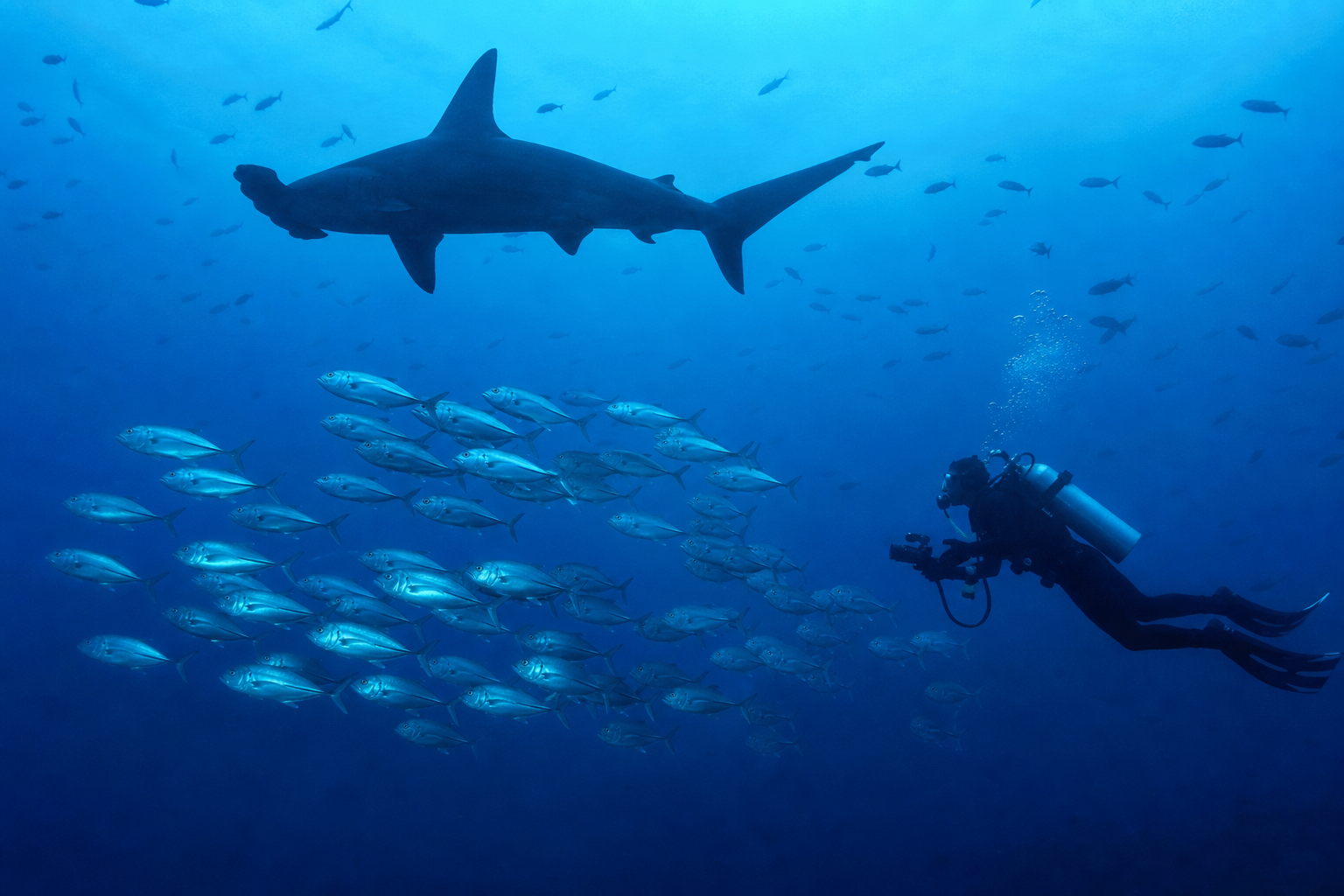
Costa Rica is a dream destination for divers who want bull sharks, mantas and tropical reefs in one trip. From the legendary Cocos Island to the mainland Papagayo Gulf, there is a site for every skill level.
This guide covers the best dive spots in Costa Rica, the best seasons for big-animal encounters and the key planning tips for Pacific coast diving.
What Are the 10 Best Dive Spots in Costa Rica?
The 10 best dive spots in Costa Rica are Cocos Island, Bat Islands (bull sharks), Catalina Islands, Cano Island, Gulf of Papagayo, Manuel Antonio, Tortuga Island, Gandoca-Manzanillo, Murcielagos Islands, and Isla del Coco liveaboard.
Big-animal season typically peaks from May to November on the Pacific, while northern Guanacaste enjoys clear water and easy diving from December to April.
Costa Rica Dive Sites at a Glance
| Dive spot | Best season | Level | Highlights |
|---|---|---|---|
| Cocos Island | Jun–Nov | AOW+ | Hammerheads, mantas |
| Bat Islands | May–Nov | AOW+ | Bull sharks |
| Catalina Islands | May–Oct | OW–AOW | Mantas, rays |
| Cano Island | Dec–Apr | All levels | Reefs, rays |
| Papagayo Gulf | Dec–Apr | All levels | Easy reef dives |
| Manuel Antonio | Dec–Apr | Beginner | Calm reefs |
| Tortuga Island | Dec–Apr | All levels | Clear water |
| Gandoca-Manzanillo | Sep–Oct | Beginner | Caribbean reefs |
Book Diving in Costa Rica
Day diving on the Pacific coast and Cocos Island liveaboards are both listed on Be Underwater. Prices vary by season and departure; the Tamarindo center lists Open Water from $626.
Costa Rica Diving Regions at a Glance
Most diving happens on the Pacific coast, with a few Caribbean sites for calm-water reef dives:
- North Pacific (Guanacaste): Papagayo Gulf, Bat Islands and the Catalinas.
- Central Pacific: Manuel Antonio and Tortuga Island for training-friendly reefs.
- South Pacific: Cano Island and the Osa Peninsula with healthy coral and rays.
- Caribbean: Gandoca-Manzanillo for calm, easy reef dives.
- Offshore: Cocos Island (Isla del Coco) for world-class liveaboard expeditions.
10 Best Dive Spots in Costa Rica (Detailed)
1. Cocos Island
Cocos Island is Costa Rica's crown jewel — a remote marine park known for hammerhead schools, manta rays, whale sharks and silky sharks. It is often compared to Galapagos for big-animal encounters.
Best for: Advanced divers; liveaboard-only, with strong currents and deep dives.
2. Bat Islands (bull sharks)
The Bat Islands (Islas Murcielago) are famous for bull shark encounters at the site known as Big Scare. This is one of the most reliable places in Costa Rica for close-up shark action.
Quick info: Typically a deep, current-prone dive; AOW recommended.
3. Catalina Islands
The Catalina Islands near Playas del Coco are manta ray hotspots, especially during the rainy season. Expect eagle rays, turtles and schools of jacks.
Best for: Intermediate divers who want manta cleaning station encounters.
4. Cano Island
Cano Island (Isla del Cano) is the best reef diving on the South Pacific coast, with coral gardens, white-tip reef sharks and frequent ray sightings.
Best for: Reef lovers and photographers; calm bays but occasional surge.
5. Gulf of Papagayo
The Gulf of Papagayo offers year-round diving with pinnacles, rocky reefs and easy access from Guanacaste resorts. Visibility spikes during the dry season.
Best for: All levels; easy day trips and training dives.
6. Manuel Antonio
Manuel Antonio combines jungle scenery with shallow reefs and small islands just offshore, making it ideal for beginner divers and snorkelers.
Best for: Beginner divers, refresher courses and calmer conditions.
7. Tortuga Island
Tortuga Island near the Nicoya Peninsula delivers clear water, reef fish and soft coral patches. It is a popular day trip from Puntarenas.
Best for: Easy boat dives and snorkeling add-ons.
8. Gandoca-Manzanillo
Gandoca-Manzanillo in the Caribbean offers calmer water and coral reefs with sponges, turtles and colorful reef fish.
Best for: Calm-water reef dives and warm Caribbean conditions.
9. Murcielagos Islands
The Murcielagos Islands are part of Santa Rosa National Park and host bull sharks, massive schools of fish and rocky topography.
Best for: Advanced divers seeking sharks and deeper profiles.
10. Isla del Coco liveaboard
Isla del Coco liveaboard itineraries typically run 10 to 12 days and include dozens of hammerhead dives, giant mantas and occasional whale sharks.
Best for: Divers seeking a once-in-a-lifetime big-animal expedition.
When Is the Best Time to Dive in Costa Rica?
Costa Rica's Pacific coast has two distinct seasons:
- Dry season (Dec–Apr): Calmer seas, better visibility, perfect for Papagayo and Cano.
- Green season (May–Nov): More plankton, bringing mantas and sharks to Catalinas and Bat Islands.
- Cocos Island: Best big-animal action often peaks June–November.
Water temperatures range from 23–29°C depending on upwelling and season.
How to Plan Your Costa Rica Diving Trip
- Choose your coast: The Pacific has the most sites; the Caribbean is calmer but seasonal.
- Book Cocos early: Liveaboards fill fast and require a 10+ day itinerary.
- Expect currents: Bring reef hooks and plan for drift dives at Bat Islands and Cocos.
- Pack the right exposure: A 3–5 mm wetsuit is ideal; upwelling can be chilly.
- Compare dive centers: Check reviews and prices on Be Underwater before booking.
FAQ: Diving in Costa Rica
What are the best dive sites in Costa Rica?
Cocos Island, the Bat Islands (bull sharks), the Catalina Islands (mantas), Cano Island, the Gulf of Papagayo, Manuel Antonio, Tortuga Island, Gandoca-Manzanillo, the Murcielagos Islands and Cocos liveaboard itineraries.
Is Costa Rica good for beginner divers?
Yes. Papagayo Gulf, Manuel Antonio and Tortuga Island offer calm, shallow reefs that are great for Open Water courses and refreshers.
Where can I see bull sharks in Costa Rica?
The Bat Islands (Islas Murcielago) are the most reliable spot for bull shark encounters.
Do I need a liveaboard for Cocos Island?
Yes. Cocos Island is far offshore and only accessible by multi-day liveaboard expeditions. Cocos Island Aggressor (10 nights) and Okeanos Aggressor II (8 or 10 nights) are listed on Be Underwater, from about $6,399 per person; prices vary by departure.
When is the best time to dive in Costa Rica?
The dry season (December to April) delivers the clearest visibility, while May to November offers more mantas and shark encounters on the Pacific coast. Cocos Island is usually best from June to November.
How much does an Open Water course cost in Costa Rica?
The Tamarindo dive center listed on Be Underwater offers Open Water from about $626. Prices vary by season and agency.
Related Diving Guides
Find Dive Centers in Costa Rica
Compare Costa Rica dive centers and liveaboards, read reviews and book your next Pacific adventure.
Search Costa Rica Dive Trips