10 Best Dive Spots in Italy: Sicily, Sardinia, Amalfi & More (2026)
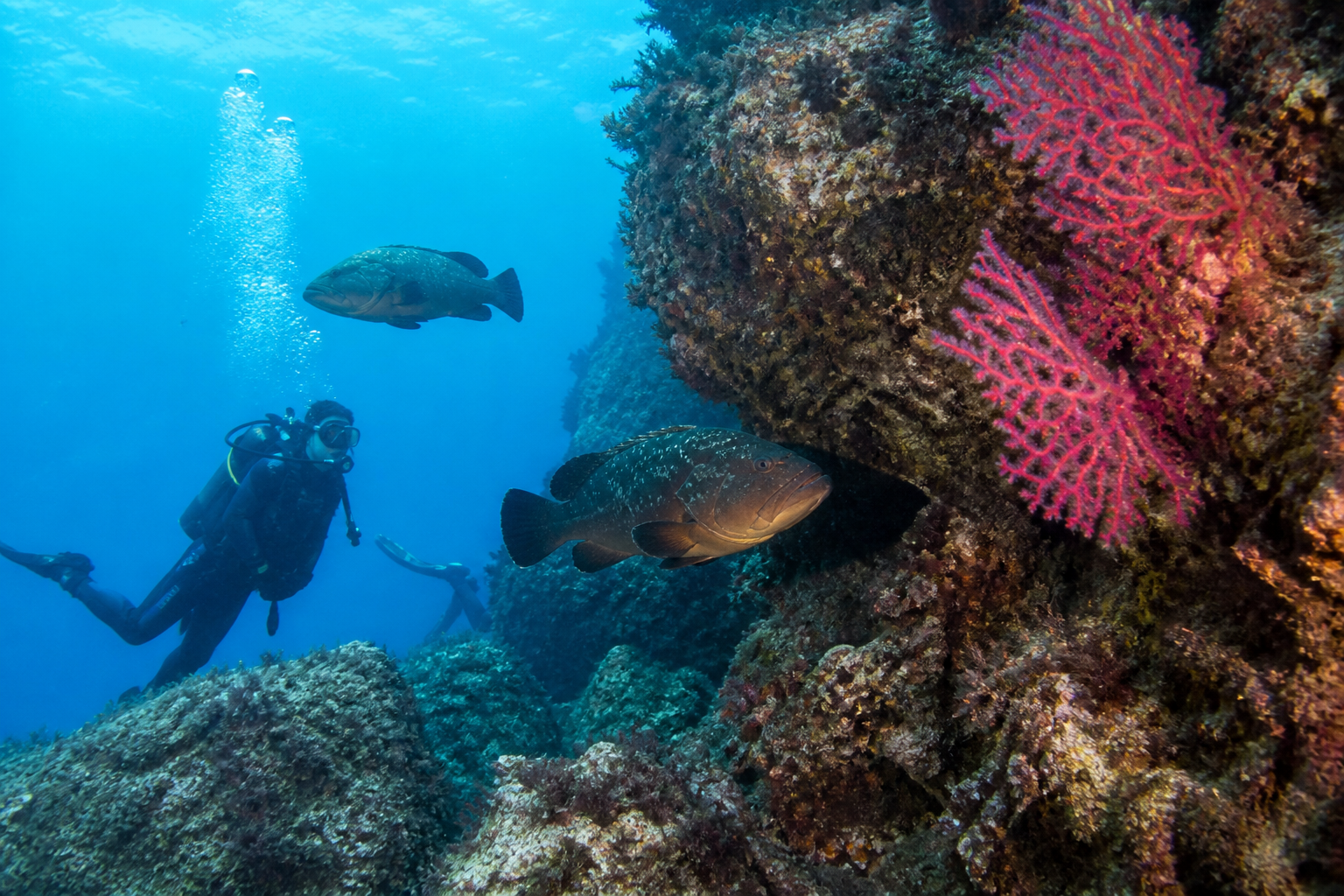
Italy may not be the first name in scuba diving, but its coastline hides world-class sites. From Sicilian volcanic reefs to Sardinian sea caves and protected Ligurian marine parks, the Mediterranean delivers.
This guide covers the best dive spots in Italy, including Taormina, Ustica, Capo Caccia, Portofino, Ponza, Elba and the Amalfi Coast.
What Are the 10 Best Dive Spots in Italy?
The 10 best dive spots in Italy are Taormina / Isola Bella (Sicily), Ustica, Capo Passero (Sicily), Capo Caccia / Neptune caves (Sardinia), Asinara (Sardinia), Li Galli (Amalfi Coast), Ponza, Elba Island, Portofino Marine Park, and Pantelleria.
Italy's Mediterranean dive season runs from May to October, with the warmest water in July and August.
Italy Diving Regions at a Glance
Italy's best dive sites spread across four main coastal zones:
- Sicily & islands: Taormina, Ustica, Capo Passero and Pantelleria for reefs and volcanic scenery.
- Sardinia: Capo Caccia, Neptune caves and Asinara for caves and marine parks.
- Tyrrhenian coast: Ponza, Elba and Portofino for wrecks and protected reefs.
- Amalfi Coast: Li Galli and Sorrento peninsula for dramatic wall dives.
10 Best Dive Spots in Italy (Detailed)
1. Taormina / Isola Bella, Sicily
Taormina and the marine reserve around Isola Bella offer volcanic rock formations, arches and rich Mediterranean marine life beneath Mount Etna's shadow.
Best for: All levels; easy access from Taormina and Giardini Naxos.
2. Ustica
Ustica was Italy's first marine protected area. Pristine walls, caves and grouper-filled reefs make it the country's premier dive island, a short ferry from Palermo.
Best for: Advanced divers and underwater photographers.
3. Capo Passero, Sicily
At Sicily's southern tip, Capo Passero sits where the Ionian and Mediterranean meet. Currents bring pelagics, and the area has historic wrecks and deep walls.
Best for: Experienced divers; one of Sicily's most dynamic sites.
4. Capo Caccia / Neptune Caves, Sardinia
Near Alghero, Capo Caccia features dramatic cliffs above water and the famous Neptune's Grotto cave system below. Nereo Cave is one of the Mediterranean's largest underwater caverns.
Best for: Cave and cavern enthusiasts; guide required for overhead sections.
5. Asinara, Sardinia
The Asinara National Park island offers uncrowded reefs, walls and occasional dolphins. Strict protection has kept marine life abundant in crystal-clear water.
Best for: Divers seeking pristine, regulated marine park diving.
6. Li Galli, Amalfi Coast
The Li Galli archipelago off the Amalfi Coast offers wall dives with octopus, moray eels and colourful nudibranchs. Positano and Sorrento serve as dive bases.
Best for: Combining diving with Amalfi Coast sightseeing and cuisine.
7. Ponza
The island of Ponza in the Pontine archipelago delivers caves, tunnels, wrecks and excellent visibility. It is a favourite weekend escape from Rome.
Best for: Wreck and cave dives within reach of mainland Italy.
8. Elba Island
Elba in Tuscany offers varied diving from shallow bays to the Pomonte wreck (a sunken cargo ship with accessible sections). Napoleon's exile island doubles as a dive holiday destination.
Best for: Mixed groups; wrecks and easy reef dives in one trip.
9. Portofino Marine Park
The Portofino Marine Protected Area in Liguria protects red gorgonian forests, groupers and moray eels. Christ of the Abyss statue near San Fruttuoso is an iconic dive.
Best for: Protected Mediterranean ecology; easy day trips from Genoa.
10. Pantelleria
This volcanic island between Sicily and Tunisia offers caves, hot springs and unique geology. Pantelleria is less visited than mainland sites but rewards adventurous divers.
Best for: Off-the-beaten-path Mediterranean diving with volcanic character.
Italy Dive Spots Comparison
| Dive spot | Best season | Level | Highlights |
|---|---|---|---|
| Taormina | May-Oct | All levels | Volcanic reefs |
| Ustica | Jun-Sep | AOW+ | Marine reserve |
| Capo Passero | Jun-Sep | AOW+ | Pelagics + wrecks |
| Capo Caccia | Jun-Sep | AOW+ | Neptune caves |
| Asinara | Jun-Sep | All levels | National park |
| Li Galli | May-Oct | OW-AOW | Amalfi walls |
| Ponza | May-Oct | AOW+ | Caves + wrecks |
| Elba | May-Oct | All levels | Pomonte wreck |
| Portofino | Jun-Sep | All levels | Gorgonians |
| Pantelleria | Jun-Sep | AOW+ | Volcanic caves |
When Is the Best Time to Dive in Italy?
Italy's Mediterranean season is summer-focused, with regional variations:
- Main season: May through October, with most dive centers operating June to September.
- Peak warmth: July and August offer the warmest water, around 24-26C.
- Shoulder months: May, June and September bring fewer crowds and good visibility.
A 5-7 mm wetsuit is recommended for most Italian dives, especially at depth or outside peak summer.
How to Plan Your Italy Diving Trip
- Pick a region: Sicily and Sardinia for island diving; Liguria for marine parks.
- Book ferries early: Ustica, Ponza and Elba require seasonal ferry reservations.
- Carry certification cards: Italian dive centers often require physical or digital C-cards.
- Respect marine parks: Protected areas like Ustica and Portofino have strict rules.
- Compare dive centers: Use Be Underwater to find reviewed operators across Italy.
FAQ: Diving in Italy
Is Italy good for beginner divers?
Yes. Taormina, Elba and Portofino offer calm, shallow training sites. Ustica and Capo Caccia are better suited to intermediate and advanced divers.
What is the best island for diving in Italy?
Ustica is widely considered Italy's best dive island, with a long-established marine reserve and pristine Mediterranean reefs.
When is visibility best in Italy?
Visibility is usually best from June through September, especially at offshore islands like Ustica, Ponza and Asinara.
Related Diving Guides
Find Dive Centers in Italy
Compare Italian dive centers, read reviews and book your next Mediterranean course or fun dive.
Search Italy Dive Trips