Best Dive Spots in Koh Tao: Complete Guide to the Top Underwater Sites
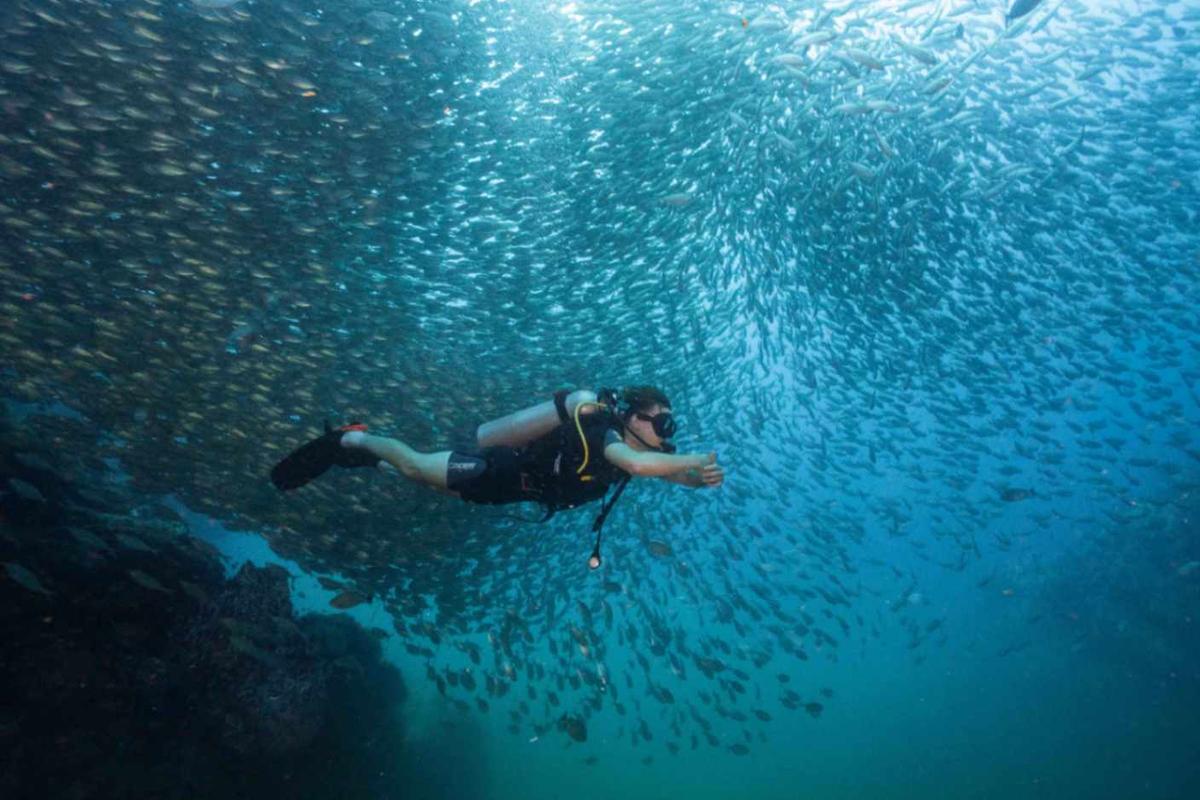
Koh Tao — "Turtle Island" — is a small island in the Gulf of Thailand that certifies more new divers every year than almost anywhere else on Earth. Warm, calm bays make it ideal for training, while offshore pinnacles bring in whale sharks, barracuda schools and the occasional manta.
This guide covers the best dive spots in Koh Tao: what you will see, who each site suits, and when to go. If you are planning your Open Water course in Koh Tao, thinking about a divemaster internship, or comparing it with other dive spots in Thailand, you will find practical, up-to-date information below.
What Are the Best Dive Spots in Koh Tao?
The top dive sites around Koh Tao are Chumphon Pinnacle and Sail Rock for whale sharks and big pelagics; Southwest Pinnacle and Shark Island for schooling fish and reef sharks; Green Rock and White Rock for swim-throughs and macro life; the HTMS Sattakut wreck for advanced divers; and Mango Bay or Japanese Gardens for beginners and Open Water training.
Koh Tao is diveable year-round, though conditions are calmest March through September. November and December bring the northeast monsoon, with rougher seas and lower visibility on the exposed sides of the island.
Koh Tao Dive Zones at a Glance
Most dive centers organize their boat routes around three general areas:
- Sheltered bays (Mango Bay, Japanese Gardens, Twins, Aow Leuk): Shallow, calm water ideal for Open Water training, first dives and easy afternoon fun dives.
- Offshore pinnacles (Chumphon Pinnacle, Southwest Pinnacle, Green Rock, White Rock, Shark Island): Granite formations 30–60 minutes by boat, with stronger currents, larger fish and better odds of whale sharks.
- Sail Rock (day trip): Located between Koh Tao and Koh Phangan, reachable by a longer boat ride or speedboat — often considered the best single site in the Gulf of Thailand.
9 Best Dive Sites in Koh Tao (Detailed)
1. Chumphon Pinnacle
Chumphon Pinnacle is Koh Tao's signature dive site and the island's best-known spot for whale shark sightings. A cluster of granite boulders rises from roughly 36 meters to about 14 meters, wrapped in barracuda schools, giant grouper, and occasional bull sharks in deeper water.
Current can be moderate to strong depending on tide, so most centers require Advanced Open Water or solid experience before booking this site.
Best for: Advanced Open Water divers and above. Best chance of whale sharks roughly March–May, though sightings happen year-round and are never guaranteed.
2. Sail Rock
Sail Rock is a submerged granite pinnacle between Koh Tao and Koh Phangan, often ranked as the best dive site in the Gulf of Thailand. Its signature feature is a vertical "chimney" swim-through running from about 18 meters up to 6 meters, surrounded by schooling chevron barracuda, trevally and jacks.
Quick info: Reachable by day boat or speedboat from Koh Tao. Not a training site — certified divers comfortable with mild current only.
3. Southwest Pinnacle
Southwest Pinnacle is a series of granite boulders and swim-throughs southwest of Koh Tao, known for large groupers, batfish, and frequent sightings of blue-spotted stingrays resting on sandy patches. It is calmer than Chumphon Pinnacle, making it a good step up for newly Advanced divers.
Best for: Advanced Open Water divers looking for a slightly gentler pinnacle dive than Chumphon.
4. Green Rock
Green Rock is a maze of granite boulders and swim-throughs on Koh Tao's west side, named for the algae that coats its rock formations. Divers thread through tunnels and gaps while looking for moray eels, lionfish and porcelain crabs tucked into the crevices.
Best for: Open Water divers and above — a fun, playful site with good macro life alongside the swim-throughs.
5. White Rock (Hin Wong Pinnacle)
White Rock offers a shallow, gently sloping reef with some of Koh Tao's healthiest hard coral, plus a resident population of clownfish anemones. Depths from about 6 to 25 meters make it flexible for both certification dives and relaxed fun dives.
Best for: A wide range of levels, including later Open Water training dives.
6. Twins
Twins is a shallow, sheltered bay with two rock formations close to shore — one of the most popular sites for Open Water certification dives and Discover Scuba try dives thanks to its calm, protected conditions and easy depth (roughly 6–12 meters).
Related: PADI Open Water Course in Koh Tao
7. Shark Island
Despite the name, Shark Island is better known today for schooling fusiliers, batfish and trevally than for shark sightings, though blacktip reef sharks do occasionally pass through. The site is a rocky outcrop with a mix of hard coral gardens and boulder swim-throughs suited to a range of experience levels.
Best for: Open Water divers and above; a reliable option when conditions are rough elsewhere.
8. HTMS Sattakut Wreck
The HTMS Sattakut is a decommissioned Thai navy landing craft scuttled off Koh Tao's coast, now an artificial reef sitting upright on the seabed at around 30 meters. It is one of the island's few proper wreck dives, and a popular pick for divers completing a wreck adventure dive during their Advanced course.
Best for: Advanced Open Water divers comfortable with depth around 30 meters.
9. Mango Bay & Japanese Gardens
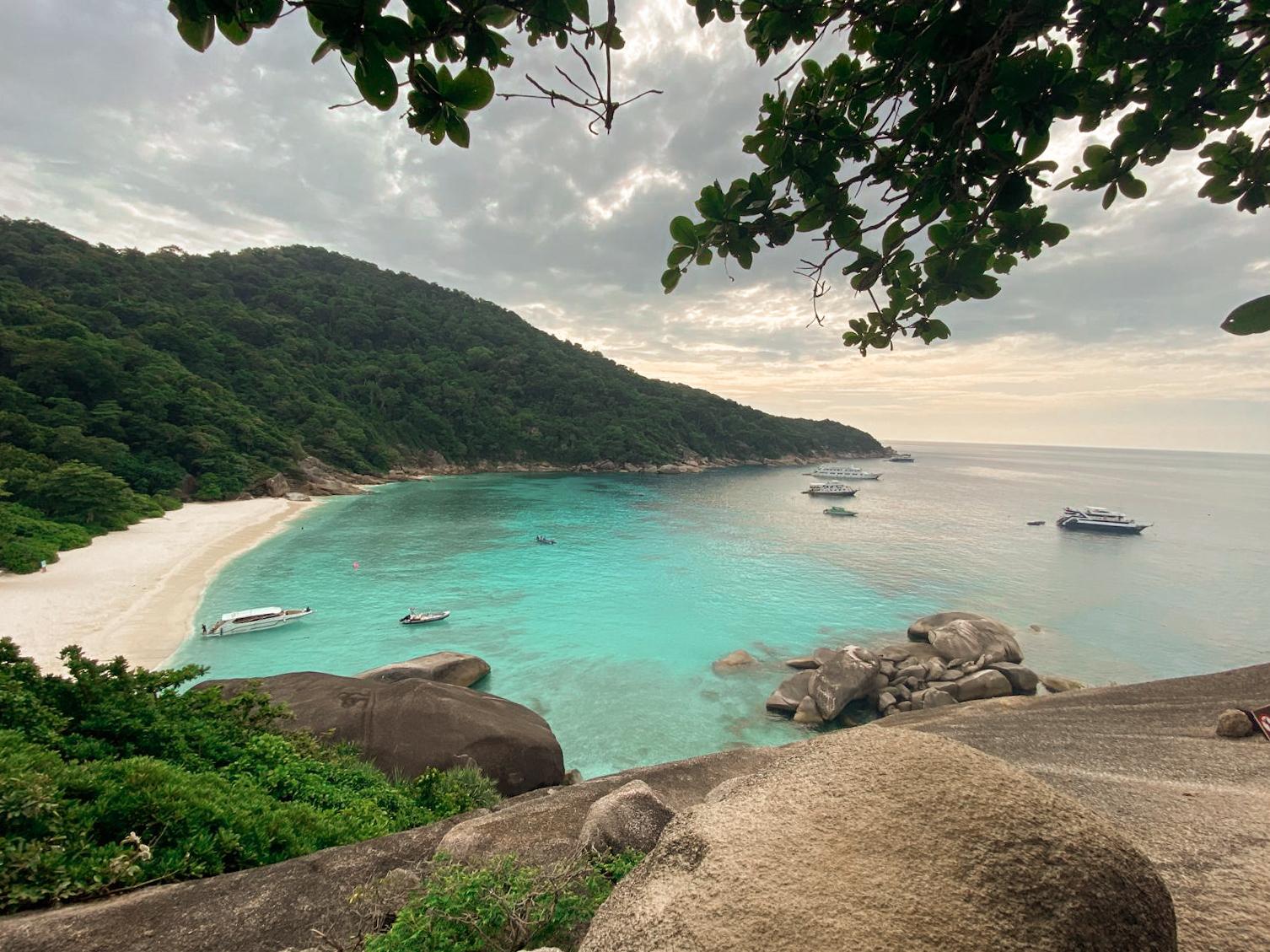
Mango Bay and Japanese Gardens are Koh Tao's classic beginner sites — shallow, sheltered bays with scattered coral heads, sea turtles and calm, almost pool-like conditions. Both are staples for confined-water-to-open-water transitions and Discover Scuba experiences.
Related: Open Water Course in Koh Tao · Cheapest Places to Get Scuba Certified
Koh Tao Dive Sites Comparison Table
| Dive site | Depth | Level | Highlights |
|---|---|---|---|
| Chumphon Pinnacle | 14–36 m | AOW+ | Whale sharks, barracuda |
| Sail Rock | 6–30 m | OW+ | Chimney, schooling fish |
| Southwest Pinnacle | 12–33 m | AOW | Groupers, stingrays |
| Green Rock | 5–25 m | OW+ | Swim-throughs, macro |
| White Rock | 6–25 m | All levels | Coral, clownfish |
| Twins | 6–12 m | Beginner | Training bay |
| Shark Island | 6–18 m | OW+ | Fusiliers, batfish |
| HTMS Sattakut | ~18–30 m | AOW | Navy wreck |
| Mango Bay | 5–12 m | Beginner | Turtles, calm bay |
Why Koh Tao Is the World's Certification Capital
Koh Tao issues more new diver certifications each year than almost anywhere else on the planet. Dozens of dive centers, sheltered training bays a short boat ride from shore, and low overhead costs keep prices competitive — a PADI or SSI Open Water course here typically runs around $250–$350 USD, well below many other destinations.
The island supports the full recreational pathway on-site: Open Water, Advanced Adventurer, Rescue Diver, a Nitrox course, and — for those planning to work in diving — Divemaster internships that often run several weeks to a few months.
Low prices do not mean lower standards — choose a center based on instructor ratio, reviews and teaching style rather than price alone.
How to Plan Your Koh Tao Diving Trip
- Start with Open Water: Most divers begin with an Open Water course in a sheltered bay before progressing to offshore pinnacles.
- Go Advanced before chasing whale sharks: Chumphon Pinnacle and Sail Rock reward divers with an Advanced Adventurer certification and a bit more depth and current experience.
- Consider Rescue Diver next: A Rescue Diver course builds confidence and is a prerequisite for divemaster training.
- Time it around the monsoon: Avoid booking a multi-day dive trip in November–December if possible, when the northeast monsoon brings rougher seas and lower visibility.
- Consider travel insurance: Read our guide on diving accident insurance before your trip.
FAQ: Diving in Koh Tao
What is the best time of year to dive in Koh Tao?
Koh Tao is diveable year-round, with the calmest conditions and best visibility roughly March through September. November and December bring the northeast monsoon, with choppier seas and reduced visibility — many divers avoid booking a trip around those months.
Can you see whale sharks in Koh Tao, and when?
Yes. Chumphon Pinnacle and Sail Rock are the most reliable sites, with sightings possible year-round and odds generally considered best from roughly March to May. Whale shark encounters are never guaranteed on any single dive.
Why is scuba certification so cheap in Koh Tao?
High training volume, short boat rides to sheltered training bays, and lower operating costs let dive centers keep prices competitive. A Koh Tao Open Water course typically costs around $250–$350 USD, among the lowest rates worldwide.
How many days does the Open Water course take in Koh Tao?
Most Koh Tao dive centers run the PADI or SSI Open Water course over 3 to 4 days, combining theory, confined water skills and four open water dives. Some centers offer a faster or slower pace depending on your schedule.
Related Diving Guides
Find Dive Centers in Koh Tao
Compare PADI and SSI dive centers in Koh Tao — read reviews, check prices and book your next course or fun dive.
Search Koh Tao Dive Trips